
I still remember sitting in my old rental apartment three years ago, shivering under three layers of blankets while the radiator hissed uselessly in the corner. I’d pull my infrared thermometer out just to see the truth: the glass in my windows was basically a conduit for losing money. People love to tell you that you need a full-scale retrofit or expensive double-glazing to fix a drafty room, but that’s a lie designed to empty your pockets. Most of the time, you’re just fighting a losing battle against heat escaping through your window frames, and that’s where thermal curtains actually come into play.
I’m not here to sell you on some lifestyle aesthetic or overpriced home decor. My goal is to give you the straight-up data on what actually works to keep your living space warm without spiking your utility bill. I’ll walk you through how to spot the real heat leaks, what material density you actually need to look for, and how to install them so they aren’t just expensive fabric hanging in front of a draft. Let’s stop paying to heat the outdoors and start making your home work for you.
Table of Contents
How Insulating Fabric for Windows Keeps Your Comfort High
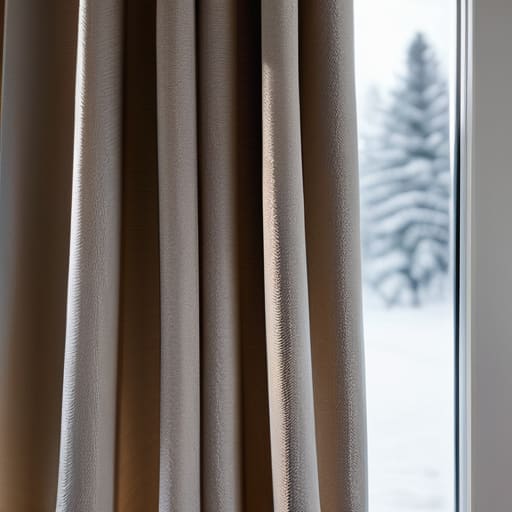
When I’m doing a home audit, the first thing I look at isn’t the HVAC system—it’s the windows. Glass is basically a massive hole in your home’s thermal envelope. Even if you have double glazing, standard fabric does almost nothing to stop the radiant heat from escaping. This is where insulating fabric for windows becomes a game-changer. These materials are engineered with dense weaves or specialized linings that create a literal barrier between your living space and the cold pane. It’s about creating a stagnant layer of air that acts as a buffer, preventing that annoying draft from settling right at your feet.
Beyond just temperature, there is a massive secondary win: soundproofing with heavy drapes. Because these fabrics are significantly more substantial than your average linen or cotton sheer, they absorb much of the external noise pollution from street traffic or neighbors. It’s a dual-purpose upgrade. You aren’t just investing in energy efficient window treatments to save a few bucks on your monthly bill; you’re actually upgrading the acoustic quality of your room. It turns a noisy, drafty corner into a quiet, controlled environment without needing to replace the entire window unit.
Slash Your Energy Bills Without Breaking the Bank

The reality is that most people think energy retrofitting requires a massive upfront investment, like replacing every window in the house. But that’s just not true. I’ve seen firsthand during my audits that you can make a massive dent in your monthly costs just by addressing the “leaks” in your living space. One of the easiest ways to reduce heating bills with curtains is to treat your windows as the primary defense against the cold. Instead of cranking up the thermostat to fight the chill coming off the glass, you’re creating a thermal barrier that keeps the warmth where it actually belongs—inside your room.
You don’t need to hire a contractor to see results. Even something as simple as choosing high-quality energy efficient window treatments can change the entire feel of a room. I always tell my clients to look for denser weaves; the heavier the material, the better it performs. It’s about making smart, incremental shifts that pay for themselves within a few months. It’s not about being perfect; it’s about stopping the literal drain of cash through your window frames.
5 Ways to Get the Most Out of Your Thermal Curtains
- Don’t just hang them; seal them. I always check the edges of my windows with my infrared thermometer. If there’s a gap between the curtain and the wall, you’re basically letting the heat leak right around the sides. Try to get them as close to the window frame as possible to create a proper air pocket.
- Size matters more than you think. If you buy curtains that barely cover the window, they won’t do much. Go for “floor-to-ceiling” or at least wider than the window itself. You want enough overlap on the walls to trap that warm air inside the room rather than letting it circulate out.
- Timing is everything. It’s a simple habit, but you need to close them the second the sun goes down. Keeping them open at night is just letting your hard-earned heat escape into the night air. Conversely, in the summer, keep them closed during the hottest part of the day to block out that solar gain.
- Check the weight and density. Not all “thermal” curtains are created equal. When I’m auditing a home, I look for heavy, multi-layered fabrics. If the material feels thin or flimsy, it’s probably not doing much more than a standard decorative curtain. Look for high-density weaves or blackout linings for the best results.
- Combine them with other low-cost fixes. Thermal curtains aren’t a magic wand, but they work way better when paired with other small tweaks. If you’ve already used some weatherstripping on your window frames, these curtains become your second line of defense, making the whole setup much more efficient.
The Bottom Line on Thermal Curtains
Think of thermal curtains as a low-cost barrier, not a magic fix; they work best when they’re heavy enough to actually block drafts and hold heat inside your living space.
You don’t need a full home renovation to see a difference—just adding these to your most problematic, drafty windows can stop immediate energy waste.
It’s a simple math game: the small upfront cost of the fabric pays for itself the moment you see your next heating bill drop.
The Real Cost of Thin Windows
“I’ve spent too many audits pointing my infrared thermometer at windows only to see the heat bleeding out like it was nothing; thermal curtains aren’t just a decor choice, they’re a practical barrier that stops you from literally paying to heat the street.”
Tobias Nkemdirim
The Bottom Line on Window Insulation

At the end of the day, thermal curtains aren’t some high-tech, expensive miracle, but they are one of the most practical tools in my kit for a reason. We’ve looked at how they act as a literal barrier against the cold, how they stop that annoying draft from creeping in, and most importantly, how they can drastically lower your monthly utility costs without requiring a contractor or a massive renovation. If you’re tired of feeling like you’re fighting a losing battle against your thermostat, switching to a heavier, insulating fabric is a low-effort, high-reward move that pays for itself faster than most people realize.
I know it can feel overwhelming to try and make a home more sustainable, especially when it feels like you need a massive budget to make any real dent. But my experience has taught me that sustainability isn’t about buying the most expensive solar array on the market; it’s about stopping the waste that’s already happening in your living room. Every bit of heat you keep inside is money back in your pocket and less strain on the grid. Start small, grab some decent curtains, and realize that living better doesn’t have to cost more.
Frequently Asked Questions
Do thermal curtains actually work if I have large, drafty windows?
Short answer: Yes, but they aren’t a magic fix for massive drafts. If your windows are huge and letting in a constant stream of cold air, thermal curtains will act as a much-needed buffer, creating a pocket of dead air that slows down the heat loss. They won’t turn a drafty room into a vacuum seal, but they’ll definitely take the edge off. Just make sure they’re heavy enough to actually block that airflow.
Is it worth getting heavy blackout curtains, or are standard thermal ones enough?
It really depends on your specific setup. If you’re dealing with a drafty, single-pane window in a room you use for sleeping, go for the heavy blackout ones; they offer that extra layer of density that acts like a buffer against the cold. But if you’re just trying to stop heat from escaping a living room during the day, standard thermal curtains do the job perfectly well without the extra bulk.
How do I know if my curtains are installed correctly enough to actually stop the heat from escaping?
I usually pull out my infrared thermometer for this. If you see a massive temperature spike right at the edges of your curtains, you’ve got a leak. To fix it, make sure your rod is wider than the window frame to prevent “convection loops”—that’s when cold air rolls in from the sides. Ideally, the fabric should touch the floor and overlap the walls slightly. If there’s a gap, you’re just heating the room through the fabric.
