I still remember sitting in my old rental apartment, shivering under three blankets while staring at a utility bill that made absolutely no sense. I felt like the power company was speaking a different language, using math to hide the fact that I was essentially paying for air. Most people treat their electricity bill like a mysterious tax they just have to accept, but that’s a lie. Understanding kilowatt hours shouldn’t require a degree in physics or a massive bank account; it should be about seeing exactly where your hard-earned money is leaking out of your walls.
I’m not here to give you a textbook lecture or drown you in complex formulas that don’t actually help your bottom line. Instead, I’m going to show you how to decode your meter using the same practical, data-driven approach I use during my professional audits. My goal is to strip away the jargon and give you the tools to spot the energy hogs in your home. By the end of this, you’ll stop guessing and start making smart, intentional changes that actually keep your bills low and your footprint small.
Table of Contents
The Real Difference Between Kw and Kwh Explained

Most people treat these terms like they’re interchangeable, but that’s a mistake that makes calculating electricity costs a total guessing game. Think of it this way: kW is about power, while kWh is about energy. If you’re looking at a kettle, the kW tells you how much “muscle” it has to heat water instantly. It’s a snapshot of demand at a single moment.
The kWh, however, is where the actual billing happens. It’s the measure of that power used over a specific period of time. To make it simple, imagine a garden hose. The kW is how fast the water is rushing out of the nozzle (the flow rate), but the kWh is the total amount of water that actually ends up in your bucket after an hour.
When I’m auditing a home, I look for appliances with high kW ratings that run for long stretches. That’s the sweet spot for waste. Understanding the difference between kW and kWh helps you realize that a high-power device isn’t always the villain; it’s how long you leave it running that usually drains your bank account.
How to Read an Electric Meter Like a Pro
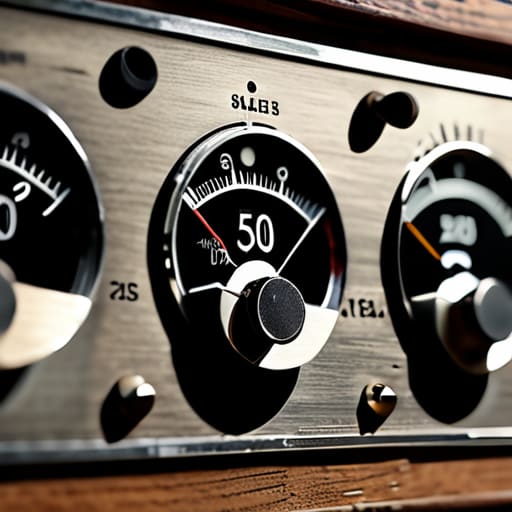
Most people treat their electric meter like a black box—something that just sits in the garage or basement, ticking away while they ignore it. But if you want to master calculating electricity costs, you have to stop guessing. If you have an older analog meter, it’s basically a series of spinning dials. You read them from left to right, just like a book. The trick is that if the needle on a dial is sitting between two numbers, you always round down to the lower number. It feels counterintuitive, but that’s the standard for an accurate reading.
If you’ve upgraded to a digital smart meter, it’s even easier, though it can feel a bit more intimidating with all the flashing symbols. You’re looking for the specific display labeled “kWh.” This is the number that represents your cumulative electrical energy consumption explained in real-time. I usually pull out my notebook and jot down this number at the same time every week. By tracking this number weekly rather than waiting for the monthly bill, you can actually spot household energy usage patterns before they turn into a massive financial headache.
5 Ways to Stop Guessing and Start Tracking Your Energy
- Stop looking at your total bill and start looking at your daily usage. Most utility apps show a day-by-day breakdown; find the spikes. If your kWh jumps every Tuesday at 7 PM, you’ve just found your most expensive habit.
- Calculate your “phantom load” by checking what your devices pull while they’re supposedly off. I use my infrared thermometer to see if electronics are running warm even when they aren’t in use—that heat is literally money escaping into the air.
- Match your appliances to their kWh impact. A space heater might use 1,500 watts, but if you run it for five hours, that’s 7.5 kWh. Knowing the math helps you decide if it’s cheaper to buy a better blanket or keep cranking the heat.
- Use a plug-in energy monitor for your “guilty” appliances. Don’t guess if that old fridge is a power hog; plug a cheap monitor into it for 24 hours. The data doesn’t lie, and it’ll tell you exactly when it’s time to upgrade.
- Watch the weather, not just the clock. Your kWh consumption shouldn’t just spike because it’s dark outside; it spikes when your home’s insulation fails. If your usage climbs every time the temperature drops, you’re paying to heat the outdoors.
The Bottom Line: What You Actually Need to Know
Stop mixing up power and energy; kW is the speed your appliances draw power, but kWh is the actual volume of electricity you’re paying for over time.
Your electric meter isn’t just a number on a screen—it’s a real-time tracker of your household habits and where your money is leaking.
Once you can accurately read your kWh, you move from guessing why your bill is high to actually knowing which devices are draining your wallet.
## The Real Cost of Ignorance
“A kilowatt is just a measurement of power, but a kilowatt-hour is a measurement of your habits; if you don’t understand the difference, you’re essentially letting your utility company charge you a ‘convenience tax’ for energy you didn’t even need to use.”
Tobias Nkemdirim
Stop Guessing and Start Saving
At the end of the day, understanding the difference between power demand (kW) and actual consumption (kWh) is the foundation of any decent energy audit. You now know how to look at your meter without feeling overwhelmed, and more importantly, you understand that those numbers aren’t just abstract digits—they are a direct measurement of your home’s efficiency. Once you start tracking how much energy your appliances actually pull over time, you move from being a passive consumer to an active manager of your own space. It’s about moving away from that feeling of helplessness when the bill arrives and toward a mindset of intentional energy use.
I know it can feel like fighting a losing battle against rising utility rates, but I promise you, it isn’t. Every single kilowatt-hour you save by sealing a drafty window or switching to a more efficient lightbulb is a win for your wallet and a win for the planet. We don’t need massive, expensive overhauls to make a difference; we just need to stop letting energy leak out of our lives simply because it’s convenient to ignore it. Start small, keep your data close, and remember that true sustainability is built one smart habit at a time.
Frequently Asked Questions
Does my energy provider charge me more for using power during certain times of the day, even if the total kWh stays the same?
The short answer is yes. This is what we call “Time-of-Use” (TOU) pricing. Even if your total kWh consumption remains identical, your bill can fluctuate wildly depending on when you pull that power. Most providers charge a premium during “peak hours”—usually weekday evenings when everyone’s home and running appliances—and offer lower rates during “off-peak” times, like late at night. If you’re on one of these plans, timing your laundry or dishwasher becomes a financial strategy.
Can I track my daily kWh usage through an app, or do I have to manually check my meter to see if my changes are working?
You definitely don’t need to be standing in your hallway staring at a meter every night. Most modern utility providers have apps that let you track usage in near real-time, which is a game changer for seeing if that new LED setup or smart thermostat is actually paying off. If your provider is old-school, look into a smart plug with energy monitoring; it’s a cheap way to get that data without the manual legwork.
If I switch to LED bulbs or more efficient appliances, how much of a visible drop in my kWh reading should I actually expect to see?
Honestly? It depends on your current setup, but don’t expect a miracle overnight. Switching to LEDs is a massive win for lighting, but since lights usually only account for a small slice of the pie, the drop might look modest on your bill. The real heavy lifting comes from appliances. Swapping an old, energy-hungry fridge for an efficient model? That’s where you’ll actually see those kWh numbers plummet. Focus on the big eaters first.
