
I still remember sitting in my old rental apartment, shivering under three blankets while the air felt heavy, damp, and completely stale. I’d try to crack a window for a bit of fresh air, but the moment I did, the heat would vanish, leaving me even colder. Most people think the only way to fix this is to drop thousands on high-tech, over-engineered home ventilation systems that require a specialized contractor just to turn a dial. Honestly? That’s a massive waste of money. We’ve been sold this idea that you need a complex, expensive machine to breathe properly, when most of the time, you’re just fighting against your own house.
I’m not here to sell you on some shiny, overpriced gadget that promises to revolutionize your life. My goal is to give you the actual, data-backed reality of how to move air through your space without bleeding money through your windows. I’ll show you how to audit your airflow, identify the dead zones, and implement smart, low-cost tweaks that keep your air fresh and your heating bills predictable. We’re going to focus on practical solutions that work for real people with real budgets.
Table of Contents
- Mechanical Ventilation Solutions That Wont Drain Your Wallet
- Whole House Ventilation Benefits You Can Actually Afford
- Quick Wins: Small Ventilation Tweaks That Save Real Money
- The Bottom Line on Breathing Easy and Saving Money
- The Cost of "Sealing It All In"
- Final Thoughts on Breathing Easier
- Frequently Asked Questions
Mechanical Ventilation Solutions That Wont Drain Your Wallet
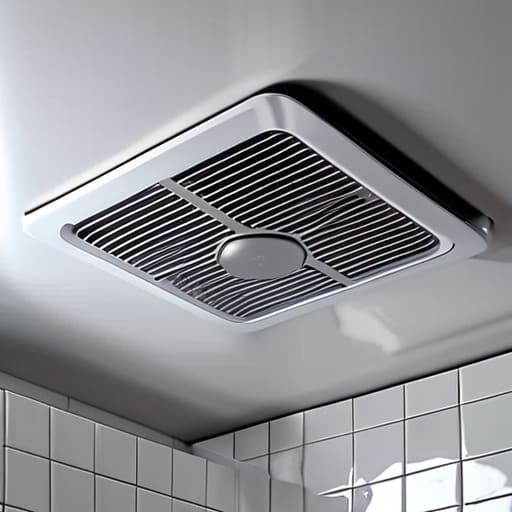
When people hear “mechanical ventilation,” they usually picture a massive, expensive overhaul of their entire ductwork. But that’s not always the case. If you’re looking for ways to keep the air moving without a massive upfront cost, I usually suggest looking at localized units. For example, high-quality bathroom or kitchen extractor fans are actually your first line of defense in preventing mold growth by pulling moisture out before it settles in your walls. It’s a small, targeted way to manage humidity that pays for itself in avoided repairs.
If you have a bit more room in the budget, you might want to look into Heat Recovery Ventilation. This is where the real magic happens for your wallet. I often get asked about ERVs vs HRVs explained in simple terms: HRVs focus on recovering heat from outgoing air, while ERVs also manage humidity levels. Choosing the right one depends on your climate, but both are game-changers for keeping your home fresh without constantly heating up the “new” air coming from outside. It’s about being smart with your airflow, not just throwing money at a bigger furnace.
Whole House Ventilation Benefits You Can Actually Afford

When I’m auditing a house, I often see people focusing solely on sealing every crack to save on heating. While that helps the bill, it often traps moisture inside, leading to the exact problem I hate seeing: preventing mold growth becomes impossible when you’ve essentially turned your home into a plastic bag. This is where the real value of whole house ventilation benefits kicks in. It isn’t just about moving air; it’s about managing the humidity and pollutants that settle in your living spaces.
By implementing a system that handles stale air removal effectively, you aren’t just chasing comfort—you’re protecting your property. I’ve seen how much money homeowners waste on repairing water damage caused by poor airflow. If you invest in a setup that balances fresh air intake with moisture control, you’re essentially performing preventative maintenance on your entire house. It might feel like an extra expense upfront, but when you factor in the longevity of your walls and the health of your lungs, it’s one of the most cost-effective upgrades you can make.
Quick Wins: Small Ventilation Tweaks That Save Real Money
- Stop the “open window” gamble. If you’re opening windows to clear out stale air in the middle of winter, you’re basically throwing money out the window. Instead, try “cross-ventilation” for just ten minutes—open two windows on opposite sides of the room to flush the air, then shut them tight to keep the heat in.
- Check your extractor fans. I’ve audited so many kitchens where the fan is just caked in grease and dust. If it’s struggling to pull air, it’s working twice as hard and wasting electricity. A quick clean of the vent covers can make a massive difference in how efficiently they move air.
- Don’t ignore the trickle vents. Most people think those little slits in the window frames are just for show, but they’re actually designed to provide a controlled amount of fresh air without causing a massive temperature drop. Make sure they aren’t blocked by grime or paint.
- Watch your humidity levels. If you see condensation pooling on your windows, your ventilation is failing. High humidity makes your heater work harder to keep the room feeling warm. Using a small, energy-efficient dehumidifier can sometimes be cheaper than cranking up the thermostat to fight dampness.
- Seal the gaps around your vents. If you have older ventilation points, air might be leaking in from the wall cavity rather than through the vent itself. A bit of sealant around the perimeter of the vent housing can stop “unintended” drafts that drive up your heating bills.
The Bottom Line on Breathing Easy and Saving Money
You don’t need a high-end, automated smart system to see results; even basic, well-placed mechanical ventilation can stop you from heating the outdoors.
Prioritize airflow that actually works with your home’s layout to prevent moisture buildup, which protects your walls and keeps your energy bills from spiking.
Think of ventilation as a long-term investment in your wallet, not just an extra utility cost—better air circulation means less reliance on heavy heating and cooling.
The Cost of "Sealing It All In"
“We spend so much time trying to seal our homes tight to keep the heat in, but if you aren’t managing your airflow, you’re just trapping stale air and humidity inside. A good ventilation strategy isn’t an extra expense; it’s the only way to make sure the energy you’re paying for actually does its job without making your living space feel suffocating.”
Tobias Nkemdirim
Final Thoughts on Breathing Easier

At the end of the day, managing your home’s ventilation isn’t about installing the most expensive, high-tech system on the market. It’s about understanding how air moves through your specific space and making intentional choices that balance air quality with energy savings. Whether you decide to invest in a more efficient mechanical fan or simply start being more mindful of how you manage your existing airflow, the goal remains the same: stop letting your expensive heated or cooled air escape through the cracks. By focusing on these manageable, cost-effective upgrades, you’re effectively plugging the leaks in your budget while ensuring your home stays healthy and comfortable.
I know it can feel overwhelming when you look at your utility bills and realize how much energy is being wasted, but please don’t let that stop you from starting small. You don’t need a massive renovation budget to make a measurable difference in your carbon footprint or your monthly expenses. Every small tweak you make to your ventilation is a step toward a home that works for you, rather than against your wallet. Let’s stop accepting inefficiency as the status quo and start building homes that are actually sustainable for the long haul.
Frequently Asked Questions
How do I know if my current ventilation is actually working, or if I'm just throwing money away on heating stale air?
The quickest way to tell? Grab my handheld infrared thermometer. If you see massive temperature drops near windows or vents while your heater is cranking, you’ve got a leak, not ventilation. Also, look for “stale air” signs: condensation on windows or that musty smell in corners. If you’re heating rooms that feel damp or drafty, you aren’t circulating air—you’re just paying to exhaust your expensive heat into the street.
Is it worth investing in a heat recovery system, or is that overkill for a smaller, older home?
Honestly, for a smaller, older home, a full-scale MVHR system can feel like overkill—and the upfront cost usually is. If your priority is stopping heat loss, I’d suggest starting with a decentralized heat recovery unit. They’re much cheaper, easier to install in tight spaces, and still grab that warmth from your stale air before it exits. Don’t go broke trying to fix everything at once; target the biggest leaks first.
Can I improve my airflow without having to tear open my walls or hire an expensive contractor?
Absolutely. You don’t need a sledgehammer and a massive contractor budget to see a difference. I see this all the time during audits: people think they need a full HVAC overhaul, but usually, it’s just bad circulation. Start with the basics—clear your vent obstructions, optimize your window opening patterns, and maybe grab a few smart ceiling fans to move air more effectively. Small, strategic tweaks to how air moves through your existing space can do wonders.
