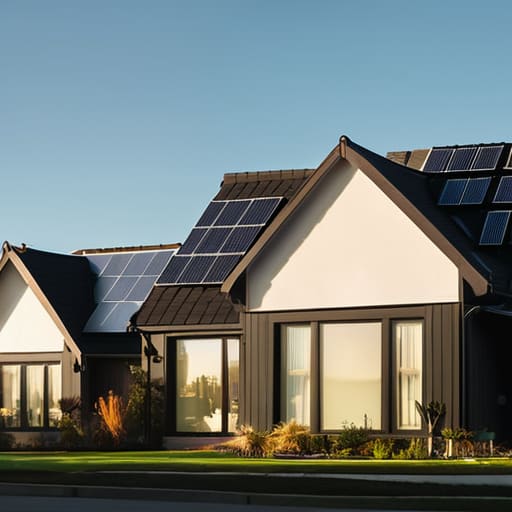
I spent most of my twenties shivering in a rental apartment that felt more like a walk-in freezer than a home, watching my utility bills climb every single winter. It’s why I hate the way people talk about renewable energy; it’s often framed as this elite, high-tech luxury that only wealthy homeowners can afford. There is this massive, annoying myth that installing solar panels on roofs is a “all or nothing” financial gamble that requires a massive upfront investment or a specialized degree to understand. Honestly, that’s just nonsense designed to keep people from taking control of their own power.
I’m not here to sell you on some shiny, futuristic dream or push expensive, unnecessary hardware. My goal is to strip away the marketing fluff and give you the actual, data-driven reality of how to make this work for your specific budget. I’ll show you how to evaluate your setup, avoid the common installation traps, and ensure you aren’t just throwing money at the sun. Let’s get into the practical steps to making your home efficient without breaking the bank.
Table of Contents
- Cutting Rooftop Solar Installation Costs Without Sacrificing Quality
- Maximizing Solar Energy Yield on a Tight Budget
- Small Moves That Actually Move the Needle on Your Solar ROI
- The Bottom Line: Making Solar Work for You
- ## The Real Value of Rooftop Solar
- The Bottom Line on Going Solar
- Frequently Asked Questions
Cutting Rooftop Solar Installation Costs Without Sacrificing Quality
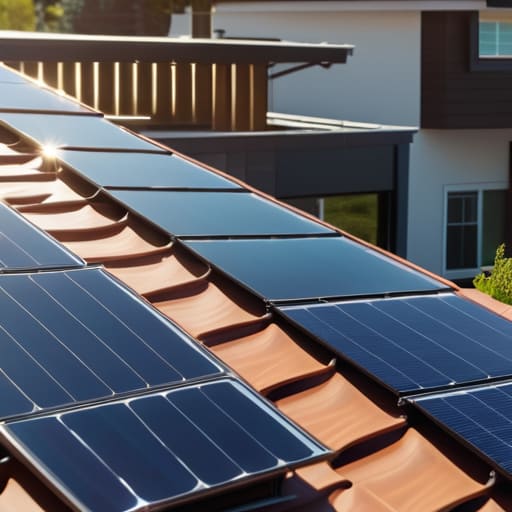
When I’m auditing a home, I often see people getting overwhelmed by the upfront quote. They think they have to choose between the cheapest gear that breaks in three years or a premium system that costs a small fortune. That’s a false choice. To keep your rooftop solar installation costs manageable, you need to focus on the math, not just the brand name. Instead of buying the most expensive panels on the market, look for a balance between price and photovoltaic cell efficiency. You don’t need a space-grade setup; you just need components that provide a solid return on investment within a reasonable timeframe.
Another way to save without cutting corners is to be smart about the hardware. I always tell my clients to look closely at the solar panel mounting systems being proposed. Sometimes, a slightly more complex installation adds unnecessary labor costs. By optimizing your residential solar panel orientation during the planning phase, you can often use fewer panels to achieve the same energy output. It’s about working with the layout of your roof rather than fighting against it. Small, calculated decisions here prevent you from overspending on hardware you don’t actually need.
Maximizing Solar Energy Yield on a Tight Budget
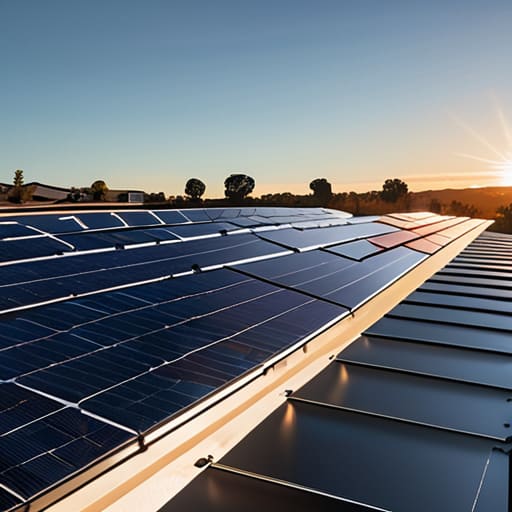
Once you’ve managed the initial rooftop solar installation costs, the next step is making sure every single photon actually does some work. I’ve seen too many people install a system only to realize they’ve placed it in a spot that gets shaded by a neighbor’s chimney or a single overgrown tree. To truly focus on maximizing solar energy yield, you need to get obsessed with your residential solar panel orientation. It’s not just about pointing them toward the sun; it’s about calculating the specific angle where they’ll catch the most consistent light throughout the changing seasons.
I also tell my clients to look closely at their hardware. You don’t always need the most expensive, top-tier tech, but you do need to understand photovoltaic cell efficiency relative to your local climate. If you live in a place with frequent overcast skies, investing a bit more in cells that perform better in low light is a smarter move than buying cheap panels that only work in direct, blazing heat. It’s about being strategic with your setup so you aren’t just sitting there watching the meter spin.
Small Moves That Actually Move the Needle on Your Solar ROI
- Don’t just buy the biggest panels you can find; match your array size to your actual consumption habits so you aren’t paying for excess capacity that just sits idle on your roof.
- Prioritize your roof’s orientation before you even look at a quote—getting that tilt and direction right is the difference between a system that barely breaks even and one that actually pays for itself.
- Keep your panels clean, and I don’t mean a professional deep clean every month, but a simple rinse once in a while to prevent dust and grime from choking your energy yield.
- Check your mounting hardware twice; I’ve seen too many people skimp on the mounting system to save a few bucks, only to end up with leaks that cost ten times more to fix later.
- Use a smart monitor to track your production in real-time, because you can’t fix a drop in efficiency if you don’t actually know when it’s happening.
The Bottom Line: Making Solar Work for You
Don’t chase the most expensive setup; focus on high-quality, mid-range components and smart installation to get the best bang for your buck.
Efficiency isn’t just about the panels; keep them clean and positioned correctly so you aren’t losing free energy to dust or bad angles.
Treat solar as a long-term hedge against rising utility bills, not just a trendy gadget—the goal is to stop the bleeding on your monthly expenses.
## The Real Value of Rooftop Solar
“Most people look at solar panels as a luxury expense for tech enthusiasts, but I see them as a tool for energy independence; it’s not about having the most expensive setup on the block, it’s about making sure every square inch of your roof is actually working to keep your monthly bills from climbing.”
Tobias Nkemdirim
The Bottom Line on Going Solar
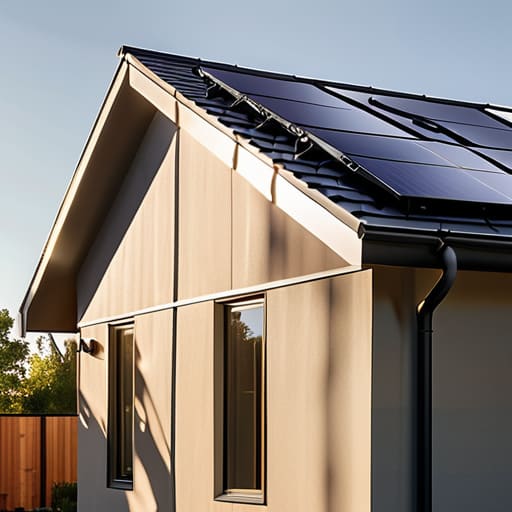
Look, we’ve covered a lot of ground, from trimming those initial installation costs to making sure every bit of sunlight hitting your roof actually turns into savings. The takeaway is pretty simple: you don’t need to go into massive debt or buy the most expensive, high-end setup on the market to make a dent in your utility bills. It’s about being strategic—choosing quality components that won’t fail in three years, optimizing your panel placement, and not letting unnecessary markups eat your budget alive. When you focus on efficiency rather than just flashiness, you turn your roof into a genuine asset instead of just another home improvement expense.
At the end of the day, I really believe that sustainability shouldn’t be a luxury reserved for people with massive disposable income. We have to stop viewing green energy as this “all or nothing” lifestyle and start seeing it as a series of smart, incremental wins. Every kilowatt you generate yourself is money that stays in your pocket and carbon that stays out of the atmosphere. It might feel like a big jump to start, but once you see that first lower energy bill, you’ll realize that making the switch was one of the best investments you ever made for your wallet and the planet.
Frequently Asked Questions
How do I know if my roof is actually structurally sound enough to hold panels without a massive renovation?
Look, I’ve seen too many people jump into solar only to realize their rafters can’t handle the load. You don’t necessarily need a massive renovation, but you can’t just wing it. First, check for sagging or visible cracks in your attic. If you can, grab a flashlight and look for water stains—moisture is a silent killer for structural integrity. Honestly, the smartest move is paying a pro for a quick structural assessment before you buy a single panel.
Is it worth it to go solar if I'm renting, or am I just paying for someone else's property value?
Honestly, if you’re renting, traditional rooftop solar usually isn’t worth the headache—you’re essentially paying to upgrade a landlord’s asset. But don’t write off solar entirely. Look into “community solar” programs or even portable, plug-in solar kits if your balcony allows it. You can still slash your personal energy footprint and offset costs without needing to own the shingles. It’s about finding the workaround that actually hits your wallet, not theirs.
What’s the real-world math on how long it takes for the energy savings to actually pay off the initial setup cost?
Look, I get it—the upfront cost is the biggest hurdle. I usually see a “break-even” point between five and nine years for most residential setups. It depends on your local sun exposure and how much electricity you’re currently buying from the grid. I always tell my clients: don’t just look at the sticker price; look at the monthly savings. If you’re cutting a $150 utility bill down to $20, that math adds up fast.
