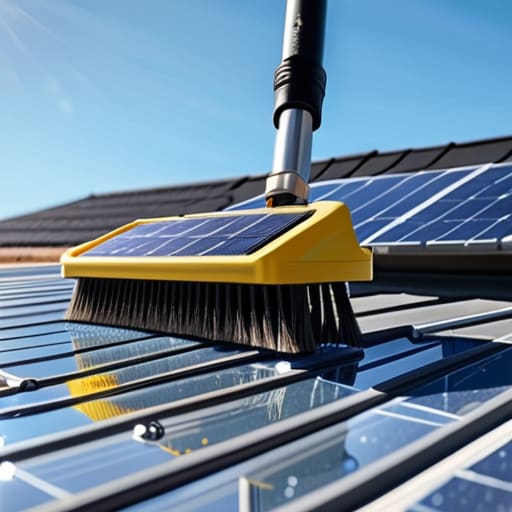
I was standing on a client’s roof last Tuesday, clicking my infrared thermometer against a solar array that looked perfectly fine to the naked eye, only to see the temperature readings plummet where dust had settled. It’s frustrating because most people think you need some high-tech, industrial-grade robot to keep things running, but that’s just a way to bleed your savings dry. You don’t need a massive budget to maintain your setup; you just need the right solar panel cleaning tools that actually do the job without scratching the glass or breaking the bank.
I’m not here to sell you on expensive, flashy gadgets that promise the moon but deliver nothing. My goal is to give you a straightforward toolkit based on what actually works in the real world, from basic telescopic brushes to the right kind of soft-bristle mops. I’ll show you how to pick gear that protects your investment and keeps your energy output high, ensuring you get every single cent of value out of your system. Let’s get into the practical gear you actually need.
Table of Contents
- Affordable Photovoltaic Panel Cleaning Kits for Every Budget
- Why Soft Bristle Solar Brushes Protect Your Investment
- My Field Guide: How to Clean Without Making a Mess (or Breaking Your Panels)
- Quick Wins for Your Solar Maintenance
- The Real Cost of Neglect
- Don't Let Your Savings Go to Waste
- Frequently Asked Questions
Affordable Photovoltaic Panel Cleaning Kits for Every Budget
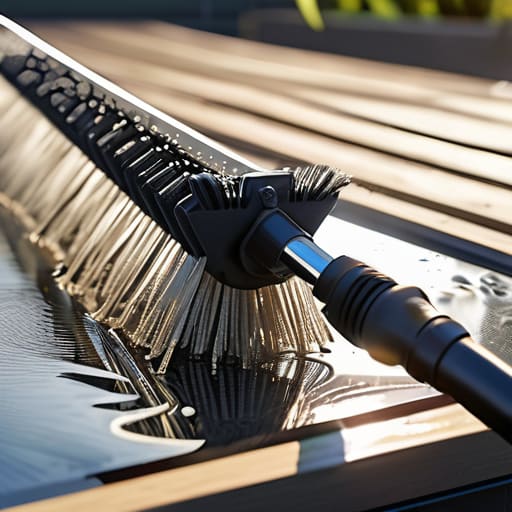
You don’t need a professional cleaning crew to keep your system running at peak efficiency. If you’re on a tight budget, I usually recommend starting with a basic set of soft bristle solar brushes paired with a standard garden hose. The key here is avoiding anything abrasive; you want to sweep away the grit without scratching the glass, as preventing solar cell abrasion is vital for long-term energy output. A simple telescopic pole can extend your reach, saving you from the danger of climbing onto a roof just to clear off some bird droppings.
For those who are a bit more serious about their DIY setup, investing in water-fed pole systems is a game changer. These allow you to clean much larger surface areas from the ground, which is safer and more effective for medium-sized residential arrays. If you live in an area with hard water, you might eventually want to look into using deionized water for solar cleaning to prevent those annoying white mineral spots from forming. It sounds fancy, but it’s really just about making sure your investment stays clear and productive without breaking the bank.
Why Soft Bristle Solar Brushes Protect Your Investment
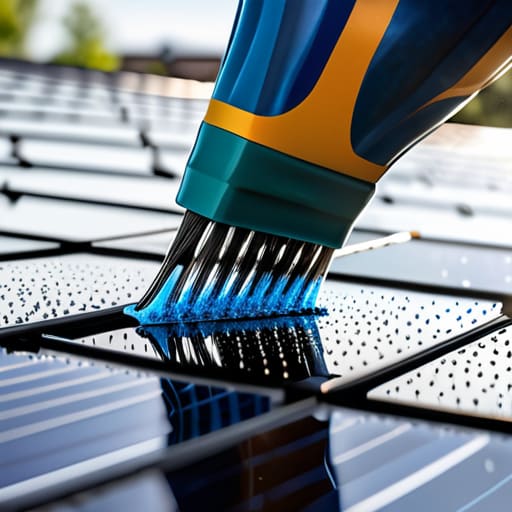
Look, I’ve seen too many people try to save a few bucks by using a stiff-bristled broom or, even worse, a high-pressure washer on their arrays. It might feel like you’re getting them clean, but you’re actually playing a dangerous game with your ROI. The silicon cells underneath are surprisingly delicate. If you use something too abrasive, you risk preventing solar cell abrasion by accidentally doing the exact opposite—scratching the anti-reflective coating that makes the panels work in the first place. Once those micro-scratches set in, your efficiency takes a permanent hit.
That’s exactly why I always recommend investing in dedicated soft bristle solar brushes. These tools are specifically engineered to lift grime, pollen, and bird droppings without digging into the glass surface. If you’re serious about long-term upkeep, pairing these brushes with water-fed pole systems is the pro move. It allows you to reach the center of the array safely while maintaining a gentle touch. It’s not about being fancy; it’s about making sure the hardware you paid for actually lasts as long as the manufacturer promised.
My Field Guide: How to Clean Without Making a Mess (or Breaking Your Panels)
- Ditch the pressure washer. I’ve seen too many people blast their arrays with high-pressure hoses, only to crack the glass or force water into the seals. Stick to a low-pressure garden sprayer or a gentle hose to keep the integrity of the cells intact.
- Timing is everything. Never try to clean your panels in the middle of a scorching afternoon. If the glass is hot, the cold water will cause thermal shock, which can lead to micro-cracks. Wait for a cloudy morning or late evening when the panels are cool to the touch.
- Use deionized or distilled water if you can manage it. I know, it sounds extra, but tap water is often loaded with minerals that leave behind stubborn white spots once they dry. Those spots act like tiny shields, blocking sunlight and killing your efficiency.
- Invest in an extension pole with a soft brush head. You don’t want to be climbing on your roof—it’s dangerous and unnecessary. A high-quality telescopic pole lets you reach the center of the array from the ground, keeping your feet safe and your cleaning even.
- Check your tools for debris before you start. I always run my hand (carefully!) or a soft cloth over the surface first. If there’s a stray piece of grit or a pebble stuck in your brush bristles, you’ll end up scratching the anti-reflective coating, which is a nightmare to fix.
Quick Wins for Your Solar Maintenance
Don’t go overboard with expensive gear; a decent soft-bristle brush and some clean water are usually all you need to keep your efficiency up without breaking the bank.
Treat your panels like a delicate investment—avoid abrasive scrubbers that create micro-scratches, as those tiny defects will end up costing you more in lost energy long-term.
Make cleaning a routine rather than a reaction; catching dust and grime early prevents the kind of heavy buildup that really starts eating into your monthly savings.
The Real Cost of Neglect
“I’ve seen too many people invest thousands into solar arrays only to lose a chunk of that ROI to a layer of grime. You don’t need a professional cleaning crew on retainer, but you do need the right brush; using the wrong tool is just as bad as doing nothing at all.”
Tobias Nkemdirim
Don't Let Your Savings Go to Waste
At the end of the day, keeping your solar setup running at peak performance doesn’t require a massive industrial budget or a professional cleaning crew on speed dial. It really comes down to being proactive with the right gear. Whether you’re investing in a dedicated, affordable cleaning kit or just making sure you’re using soft-bristle brushes to avoid scratching those delicate cells, the goal is the same: maximizing every photon that hits your roof. Remember, even a thin layer of grime or dust acts like a thermal blanket, trapping heat and choking off your energy production. If you take the time to maintain your panels now, you’re essentially protecting the long-term ROI of your entire system.
I know that sometimes these small maintenance tasks feel like just another chore on an endless to-do list, but I look at it differently. Every time you clear away the debris and ensure those panels are soaking up the sun, you are making a deliberate choice to stop wasting energy. Living sustainably shouldn’t be a luxury reserved for the wealthy; it’s about being smart with what we already have. By taking care of your tech, you’re not just lowering your monthly utility bills—you’re actively shrinking your carbon footprint one clean panel at a time. Let’s stop letting convenience dictate our efficiency.
Frequently Asked Questions
Is it actually worth buying a specialized solar brush, or can I just use a garden hose and a squeegee?
Look, I get the temptation to just grab the garden hose and a squeegee. It’s faster and cheaper. But here’s the reality from someone who’s seen too many damaged setups: if you’re using a standard squeegee or a stiff brush, you’re risking micro-scratches on the glass. Those tiny abrasions trap even more dirt and kill your efficiency over time. If you can swing it, get a specialized soft brush. It’s an investment in your long-term savings.
How often do I really need to clean them to see a difference in my utility bills?
Honestly, it depends on your local environment, but I usually tell clients to aim for a quarterly check. If you live somewhere dusty or near heavy pollen, you might need to step it up. I always tell people: don’t wait for a massive drop in output. Grab your infrared thermometer, check the panel temps, and if they’re running hotter than they should, they’re likely covered in grime. A quick clean can save you more than you think.
Can I use tap water to clean my panels, or am I going to end up with mineral buildup that makes things worse?
It’s a fair question, and honestly, it’s one I see people trip up on constantly. If you have “hard” water—meaning it’s high in calcium or magnesium—using your tap can be a disaster. As the water evaporates, it leaves behind mineral deposits that create a cloudy film on the glass. That film blocks sunlight, kills your efficiency, and is a nightmare to scrub off. If your water is soft, you’re fine; if not, stick to rainwater or deionized water.
