I still remember sitting in my old rental apartment, shivering under three blankets while watching the utility meter spin like it was possessed. It was a losing battle; I was paying a premium just to fight a drafty house that couldn’t hold onto a single degree of warmth. Most people hear about geothermal heating systems and immediately think they need a massive inheritance or a literal estate to make it work. They get sold this idea that sustainable living is a luxury reserved for the ultra-wealthy, which is a complete load of rubbish.
I’m not here to sell you on some high-concept, shiny green dream that costs more than your car. My goal is to strip away the marketing fluff and look at the actual data. I’ll show you how geothermal heating systems actually function in a real-world budget and whether the upfront cost truly pays off in long-term savings. We’re going to look at the practical reality of the installation, the efficiency gains, and how you can stop bleeding money through your floorboards without going broke.
Table of Contents
Understanding Geothermal Heat Pump Efficiency for Your Wallet

When I’m auditing a home, I’m usually looking for where the money is leaking out—literally. Most people think of heating as a constant battle against the air temperature, but that’s where the inefficiency lies. Geothermal heat pump efficiency works because it stops fighting the weather. Instead of trying to create heat from scratch using expensive electricity or gas, these systems tap into the ground temperature stability found just a few feet below the surface. Because the earth stays at a relatively constant temperature year-round, your unit isn’t working overtime to fight a sub-zero wind chill; it’s just moving existing warmth from the soil into your living room.
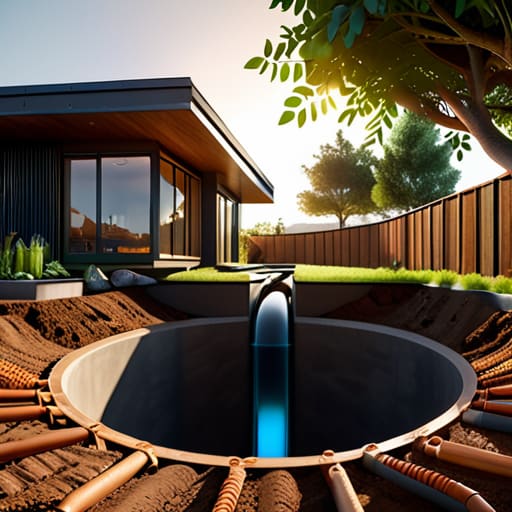
Of course, the math gets a bit more complex depending on your property. You’ll likely run into the debate between closed loop vs open loop systems. A closed loop is generally the standard for residential setups, using a sealed pipe network to circulate fluid, while open loop systems pull directly from groundwater. While the upfront geothermal installation costs can feel like a gut punch compared to a standard furnace, you have to look at the long-term math. You aren’t just buying a heater; you’re investing in a system that treats your home like a thermal battery.
Why Ground Temperature Stability Changes Everything
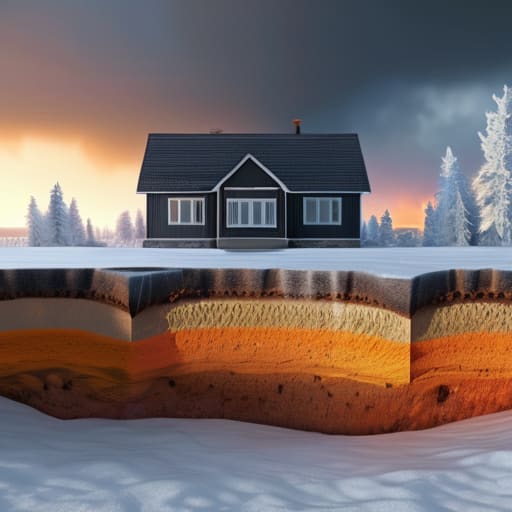
The reason this works so much better than a standard furnace comes down to one thing: the earth doesn’t care what the weather is doing above the surface. While your neighbor is struggling with a heat pump that’s fighting a sub-zero wind chill, your system is tapping into a constant, reliable source. Because of ground temperature stability, the earth stays at a relatively consistent temperature just a few feet down, regardless of whether it’s a heatwave or a blizzard.
I usually explain it like this: why try to pull heat from freezing air when you can pull it from a steady, lukewarm underground reservoir? This consistency is what drives high geothermal heat pump efficiency. Instead of your HVAC system working overtime to combat extreme temperature swings, it’s just performing a steady exchange. It’s a much more predictable and stable way to manage your home’s climate. Whether you end up with closed loop vs open loop systems, the core advantage remains the same—you’re leveraging the planet’s own thermal inertia to keep your living room warm without the massive energy spikes.
How to Make Geothermal Actually Work for Your Budget
- Get a professional site assessment before you buy anything. I’ve seen people try to DIY the loop layout, but if your soil conductivity isn’t right, you’re just burying money in the backyard.
- Don’t ignore your home’s insulation while installing the system. A geothermal heat pump is efficient, but it’s still fighting a losing battle if your heat is leaking out through old, drafty windows.
- Size the system correctly for your specific square footage. Oversizing a unit is a common mistake that leads to “short-cycling,” which wears out the components and kills your energy savings.
- Look into local government rebates and tax credits immediately. Since I started auditing homes, I’ve realized that these incentives are often the only reason the upfront cost becomes manageable for a regular person.
- Pair your system with smart thermostats. You’ve invested in high-end tech; don’t manage it with a manual dial. Using data to automate your heating cycles is the easiest way to squeeze every bit of efficiency out of the system.
The Bottom Line on Geothermal
Don’t let the upfront cost scare you off; while the installation is more expensive than a standard furnace, the massive drop in your monthly utility bills means the system eventually pays for itself.
Unlike air-source pumps that struggle when it’s freezing outside, geothermal relies on the constant temperature of the earth, making it a much more reliable way to keep your home steady without cranking the thermostat.
Think of it as a long-term investment in your home’s efficiency rather than just a repair; you’re essentially trading high, unpredictable energy costs for a stable, low-impact system that lasts.
## The Real Math of Geothermal
“Look, I’ve spent way too many winters shivering in drafty rentals because heating felt like a luxury I couldn’t afford. Geothermal isn’t just some high-tech flex for eco-conscious billionaires; it’s a practical, data-backed way to stop throwing your hard-earned money into the air every time the temperature drops.”
Tobias Nkemdirim
The Bottom Line on Going Geothermal

Look, I know the upfront cost of a geothermal installation can feel like a gut punch when you’re looking at your bank balance. But after auditing enough homes, the math becomes pretty clear: you aren’t just buying a heating system; you’re investing in long-term energy independence. By leveraging that constant ground temperature we talked about, you’re moving away from the volatile, expensive cycle of fossil fuels and toward a system that actually works with the planet instead of against it. It’s about moving from a mindset of constant, expensive repairs to one of predictable, low-cost efficiency that pays for itself over time.
At the end of the day, my goal has always been to prove that sustainability isn’t a luxury reserved for people with massive estates. Whether you start with a full geothermal overhaul or just focus on smaller efficiency upgrades first, the principle remains the same: stop letting your hard-earned money leak out of your windows and into the atmosphere. We have the tech to live comfortably without draining our wallets or the environment. It’s time to stop settling for inefficient, expensive “convenience” and start making smart, data-driven choices for our homes and our future.
Frequently Asked Questions
How much is this actually going to cost me upfront compared to a standard heat pump?
Let’s be real: the upfront cost is the biggest hurdle. You’re looking at a much steeper initial investment compared to a standard air-source heat pump—often double or even triple the price. That’s because you’re paying for the ground loops and the specialized excavation. It’s a heavy lift for your bank account right now, but I always look at the long game. If you can stomach the entry cost, the efficiency payoff eventually balances the scales.
Do I need a massive backyard to install the ground loops, or can this work for smaller properties?
That’s a common concern, and honestly, it’s the first thing I check when I’m auditing a site. You don’t necessarily need a massive estate. If you have a standard suburban lot, we can often look into horizontal loops in a smaller, concentrated area, or even vertical boreholes if space is tight. Vertical systems take up way less surface area, though they can be a bit more of an upfront investment. It’s all about the layout.
How long does the system actually last before I’m looking at expensive repairs or a full replacement?
Look, I know the “upfront cost” anxiety is real, but here’s the data: you’re playing the long game here. The indoor heat pump unit usually lasts about 20 to 25 years. The real MVP, though, is the ground loop—that underground piping can easily last 50 years or more. If you keep up with basic filter changes and don’t neglect maintenance, you aren’t looking at a replacement anytime soon. It’s an investment, not a quick fix.
