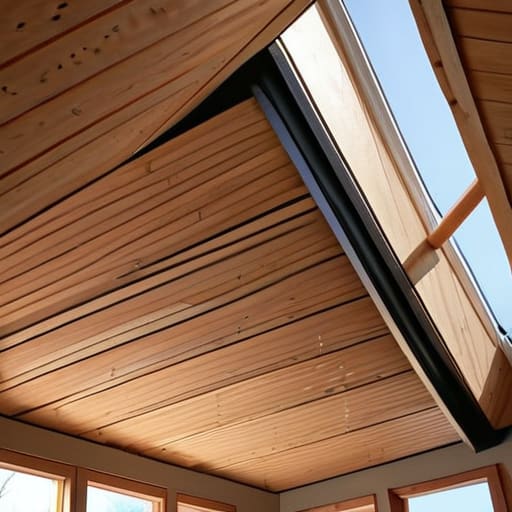
I still remember the winter I spent in my first rental, huddled under three blankets because the ceiling felt like a sheet of ice. I spent hours tracking the temperature with my infrared thermometer, convinced my heater was just broken, only to realize the real culprit wasn’t the furnace—it was my nonexistent attic ventilation. Most people will try to sell you on massive, expensive HVAC overhauls or high-tech smart systems to fix a stuffy, inefficient home, but they’re often just ignoring the fundamental physics happening right above your head.
I’m not here to pitch you a luxury renovation or some complicated engineering jargon you can’t use. My goal is to show you how to audit your own airflow and implement small, smart fixes that actually move the needle on your utility bills. I’ll walk you through the practical ways to optimize your attic ventilation so you can stop literally throwing money out of your roof and start living in a home that stays comfortable year-round without breaking the bank.
Table of Contents
Mastering Soffit and Ridge Vent Balance for Lower Bills

Think of your attic like a living organism; it needs to breathe, but only in a specific pattern. Most people think just adding more vents is the answer, but that’s a mistake. You need a proper soffit and ridge vent balance to actually move air. If you have ridge vents but your soffits are blocked by insulation, you’re basically trying to breathe through a straw. You need that intake at the eaves to feed the exhaust at the peak, creating steady convection currents in roofing that pull stale, hot air out naturally.
When this balance is off, you aren’t just wasting money; you’re inviting structural damage. Without a continuous flow of air, moisture gets trapped, which is the fastest way to start preventing mold growth in attic spaces—except you’re doing the exact opposite. I’ve seen too many homes where stagnant air leads to dampness and rot. Getting this airflow right is one of those energy efficiency home improvement steps that feels invisible until you see your utility bills drop and your air quality improve.
Using Convection Currents in Roofing to Save Energy
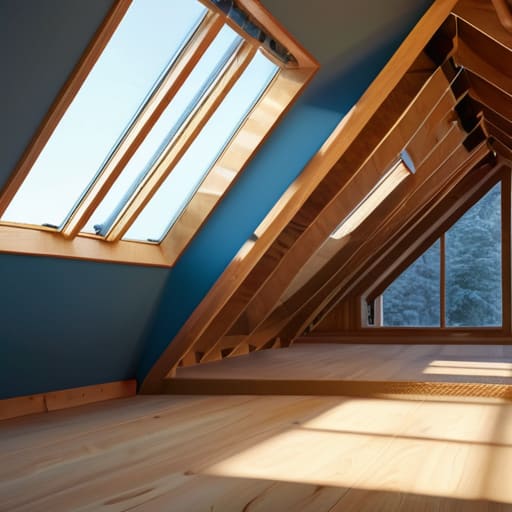
Think of your attic like a living, breathing system rather than just a hollow space under your roof. When you set up proper airflow, you aren’t just moving air; you’re harnessing convection currents in roofing to do the heavy lifting for you. As warm air rises, it naturally escapes through your upper vents, pulling cooler, denser air in from below. If this cycle is broken, you end up with stagnant pockets of heat that fight against your air conditioner all summer, or worse, trap moisture that leads to preventing mold growth in attic spaces becomes an uphill battle.
I’ve seen too many homes where the air just sits there, heavy and damp. By optimizing these natural thermal loops, you’re essentially using physics to regulate your home’s temperature for free. This isn’t just about comfort; it’s a vital part of energy efficiency home improvement that keeps your internal environment stable. When the air moves correctly, it manages attic humidity levels automatically, ensuring your insulation stays dry and effective. It’s a simple, passive way to stop fighting your own house and start working with it.
5 Quick Wins to Audit Your Attic Ventilation
- Check your soffit vents for blockage; I’ve seen so many homes where insulation has been shoved right over the vents, essentially suffocating the airflow and trapping heat where it doesn’t belong.
- Use your infrared thermometer to spot “hot spots” in the attic; if you see temperature spikes in specific corners, it’s a dead giveaway that your ventilation isn’t reaching those dead zones.
- Don’t overlook the importance of baffles; installing them ensures your insulation stays clear of the eaves, allowing air to actually move from your soffits up to the ridge instead of just swirling around in a corner.
- Inspect your roof penetrations for leaks or gaps; even a tiny gap around a vent pipe can act like a vacuum, sucking expensive conditioned air out of your living space and into the attic.
- Look for signs of moisture or condensation on the underside of your roof deck; if you see dampness, your ventilation is failing to exhaust humidity, which is a massive red flag for both energy loss and structural damage.
Quick Wins for Your Attic Ventilation
Stop treating your attic like a sealed box; you need a clear path from your soffit vents up to the ridge vent to keep air moving and heat from getting trapped.
Check your insulation levels alongside your airflow, because even the best ventilation won’t save you money if your heat is still bleeding through thin, uneven layers.
Use a simple visual check—if you see moisture buildup or dark spots on your roof timbers, your ventilation is failing and you’re literally letting money evaporate.
## The Invisible Leak
“I’ve spent enough time pointing an infrared thermometer at ceilings to know that a poorly ventilated attic isn’t just a construction flaw—it’s a hole in your wallet where your heating and cooling money literally escapes every single day.”
Tobias Nkemdirim
Cutting the Losses for Good
At the end of the day, managing your attic ventilation isn’t about some complex engineering feat; it’s about basic physics and protecting your wallet. By balancing your soffit and ridge vents to create that necessary airflow, and understanding how convection currents move heat, you stop treating your attic like a giant heat trap. I’ve seen too many people pour money into heating or cooling their living spaces while ignoring the massive energy leaks happening just inches above their heads. Fixing these airflow issues is one of the most practical, high-impact moves you can make to stabilize your utility bills and protect your roof’s lifespan.
I know that home maintenance can feel overwhelming, especially when you’re working with a tight budget. But sustainability shouldn’t be a luxury reserved for people with massive renovation funds. It’s about being observant, using the tools you have, and making these small, intentional adjustments that add up over time. You don’t need a complete overhaul to start seeing a difference; you just need to stop letting your hard-earned money escape through the roof. Let’s stop wasting energy just because it’s convenient and start building homes that actually work for us.
Frequently Asked Questions
Will adding more vents actually make my house colder in the winter, or is that just a myth?
It’s a common worry, but it’s mostly a myth—provided your ventilation is balanced. If you just poke random holes in your roof, you’ll definitely lose heat. But when you have a proper system, like intake vents at the soffits and exhaust vents at the ridge, you aren’t just letting heat escape; you’re managing airflow. Proper ventilation actually prevents moisture buildup that can ruin your insulation, which is a much bigger threat to your warmth and your wallet.
How can I tell if my current ventilation setup is actually working without spending a fortune on a professional audit?
You don’t need a high-priced specialist to spot a failing system. Grab a flashlight and head into your attic on a breezy day. If you can feel a steady, gentle airflow moving from your soffits toward the ridge, you’re on the right track. If the air feels stagnant or you see localized moisture buildup near the eaves, your circulation is choked. It’s a simple, free way to see if your money is just sitting still.
Are there specific DIY fixes for airflow issues that won't void my roof warranty?
Look, I’m all for DIY, but don’t go slicing into your roof decking just to fix airflow; that’s an instant warranty nightmare. Stick to the low-risk stuff: cleaning out your soffit vents to clear debris or installing smart attic fans that trigger based on temperature. If you’re sealing gaps, use high-quality caulk around penetrations rather than structural changes. Keep it surface-level and non-invasive to stay safe and keep your coverage intact.
