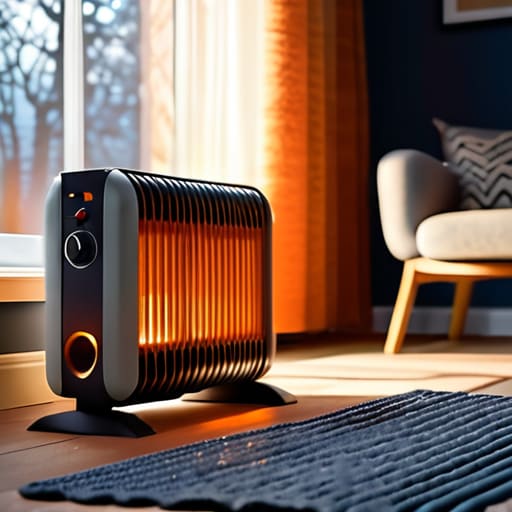
I still remember sitting in my old rental apartment three years ago, wrapped in two blankets and shivering, watching the numbers on my electric meter spin like a slot machine. I was pouring money into a space that felt like a walk-in freezer, convinced that the only way to stay warm was to crank up a massive, power-hungry furnace that would inevitably wreck my budget. Most people think you need to drop thousands on a full-scale HVAC overhaul to see a difference, but that’s a lie. The truth is, finding the right energy efficient heaters isn’t about buying the most expensive gadget on the market; it’s about matching the right tech to your specific space so you aren’t literally burning cash to stay comfortable.
I’m not here to sell you on some futuristic, overpriced smart-system that requires a degree in engineering to operate. My goal is to give you the straight talk based on actual audits and data. I’m going to break down which types of energy efficient heaters actually deliver on their promises and which ones are just flashy marketing fluff. We’re going to focus on low-cost, high-impact solutions that keep your living space cozy without making your utility bills a source of constant anxiety.
Table of Contents
Decoding Heat Pump Efficiency Ratings Without the Confusion
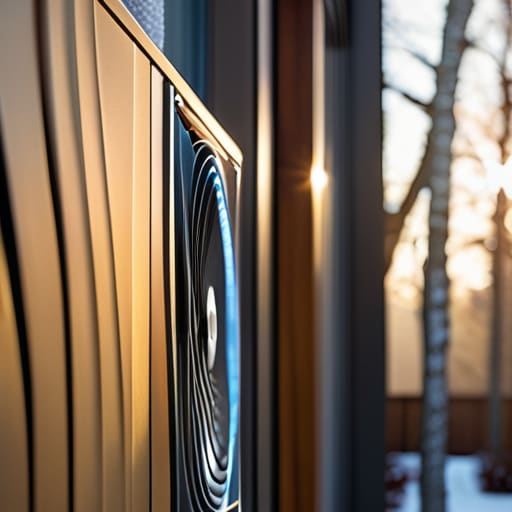
When you start looking into heat pumps, you’re immediately hit with a wall of acronyms like COP and SCOP. It feels like you need an engineering degree just to buy a unit, but it’s actually simpler than the manufacturers make it sound. Think of the Coefficient of Performance (COP) as your bang-for-your-buck metric; it tells you how much heat you get for every unit of electricity you pay for. If a unit has a COP of 3, you’re getting three units of heat for every one you consume. For me, tracking these heat pump efficiency ratings is the only way to ensure I’m actually reducing heating bills rather than just buying an expensive piece of hardware that runs inefficiently.
Don’t get tripped up by the seasonal ratings, either. A high COP in a lab setting doesn’t matter if the unit struggles when your local temperature drops. I always look for the Seasonal Coefficient of Performance (SCOP) because it accounts for real-world fluctuations. It’s a much more honest look at how low consumption heating solutions will actually perform over a full winter. If you want to get serious about it, pair that data with smart thermostat integration to make sure the system isn’t working harder than it needs to when you aren’t even home.
The Real Infrared Heater Benefits for Small Spaces

If you’re living in a studio or a small apartment, you’ve probably realized that standard space heaters are basically just expensive ways to heat the air around you rather than actually warming you. This is where the infrared heater benefits really start to show up. Unlike traditional convection heaters that rely on warming up the entire volume of a room, infrared technology uses electromagnetic waves to heat objects and people directly. I’ve used my thermal scanner on dozens of small setups, and the difference is night and day: you feel the warmth almost instantly without needing to crank the temperature to max.
Because they target heat rather than just circulating air, these units are some of the most effective low consumption heating solutions available for tight spaces. You aren’t wasting energy trying to fight drafts or heat up high ceilings that don’t matter. For anyone looking at reducing heating bills without a massive renovation, an infrared setup is a pragmatic choice. It’s a targeted, efficient way to stay comfortable that respects both your budget and your limited square footage.
5 Ways to Stop Your Heater From Bleeding Money
- Stop heating empty rooms. If you’re using a space heater to warm up a guest bedroom no one uses, you’re literally throwing cash out the window. Stick to zone heating—only warm the room you’re actually sitting in.
- Check your seals before you crank the dial. I can’t tell you how many times I’ve used my infrared thermometer to find a massive heat leak around a window frame. If the heat can escape, your heater is just working overtime for nothing.
- Get smart with timers. Don’t let your heater run all night while you’re under the covers. Use a simple mechanical timer or a smart plug so the unit shuts off automatically once you’re asleep or when you head out for the day.
- Keep the airflow clear. It sounds basic, but if you’ve got a rug, a curtain, or a piece of furniture blocking your heater’s vent, you’re killing its efficiency. It has to breathe to move the heat effectively.
- Layer up before you turn it up. It sounds old-school, but a thick sweater or a heavy blanket is way cheaper than increasing your thermostat by three degrees. Treat your clothing as your first line of defense against the cold.
The Bottom Line: Making Smarter Heating Choices
Stop chasing the lowest sticker price; a cheap heater that runs inefficiently will end up costing you way more in monthly bills than a high-quality, efficient model.
Match the tech to your footprint—use heat pumps for consistent whole-room warmth, but keep infrared heaters in your toolkit for quick, targeted heat in smaller spaces.
Efficiency isn’t just about the device itself; always check for heat leaks around windows or doors first, otherwise you’re just paying to heat the outdoors.
The True Cost of Convenience
We’ve been conditioned to think that a quick blast from a cheap, inefficient space heater is a solution, but if you’re constantly chasing the thermostat just to stay comfortable, you aren’t actually heating your room—you’re just burning cash.
Tobias Nkemdirim
Making the Shift
At the end of the day, choosing the right heater isn’t about buying the most expensive gadget on the shelf; it’s about matching the technology to your actual living situation. Whether you’re decoding those confusing heat pump ratings to find a long-term solution or opting for a targeted infrared heater to tackle a chilly corner in a small apartment, the goal is the same: stop paying for heat you aren’t actually using. I’ve spent enough time walking through drafty rentals with my thermometer to know that efficiency isn’t a luxury—it’s a necessity for anyone trying to keep their overhead low. By focusing on smart, intentional heating, you’re effectively plugging the holes in your monthly budget.
I know that making changes to your home can feel overwhelming, especially when you’re staring down a rising utility bill. But remember, you don’t need a massive renovation or a huge bank account to start making an impact. Sustainability is built on these small, calculated wins that add up over time. Every time you choose a more efficient way to stay warm, you’re choosing to prioritize your wallet and the planet simultaneously. Let’s stop letting energy leak through our fingers just because it’s the easy way out. Start small, stay smart, and take control of your space.
Frequently Asked Questions
Is it actually cheaper to run a heat pump long-term, or am I just paying more upfront for the technology?
It’s a classic “pay now or pay later” scenario. Look, the upfront cost of a heat pump is definitely higher, and I get why that’s a barrier. But if you look at the data, the long-term math almost always wins. Because they move heat rather than generating it, they’re incredibly efficient. You’re essentially trading a larger initial investment for significantly lower monthly bills. Over a few years, that efficiency pays for the unit itself.
Can I use an infrared heater in a bedroom without it messing with my sleep or drying out the air too much?
Short answer: Yes, but with a few caveats. Unlike traditional space heaters that bake the air, infrared heats objects—including you. This means you won’t get that “desert-dry” feeling that usually wakes people up with a scratchy throat. Just don’t point it directly at your bed all night; aim it at a wall or the floor to create a gentle warmth. It’s a much more natural way to stay cozy while you sleep.
How do I know if my current electrical setup can even handle a high-efficiency heater without tripping a breaker?
Before you plug anything in, you need to check your circuit capacity. Most standard outlets are on 15-amp breakers, which can handle about 1,800 watts. If you’re eyeing a high-draw heater, look at the sticker on the back for the wattage. If it’s close to that limit, and you’ve already got a PC or a space heater on that same circuit, you’re going to trip the breaker. Grab your multimeter if you want to be certain.
