
I still remember sitting in my old studio apartment three years ago, shivering under three layers of blankets while my heater groaned in a losing battle against the drafty windows. I’d spent my last bit of savings on a “smart” thermostat, thinking that was the silver bullet, but the truth was much simpler and much cheaper. People love to tell you that you need a full-scale retrofit or expensive double-glazing to fix a cold room, but they completely overlook the immediate thermal curtains impact on your daily comfort. Most of the “energy experts” online will try to sell you a thousand-dollar insulation package, when often, you’re just leaking money through your window frames every single night.
I’m not here to sell you on some lifestyle aesthetic or overpriced home decor. My goal is to give you the raw, data-driven truth about how much these curtains actually matter for your wallet and your carbon footprint. I’ll show you exactly how to spot the heat leaks in your own space and how to pick the right fabrics so you can stop overpaying for utilities without needing a massive renovation budget.
Table of Contents
- How Thermal Insulation Fabric Technology Slashes Your Monthly Bills
- Smart Temperature Regulation Home Decor for Every Budget
- 5 Low-Cost Ways to Maximize Your Thermal Curtain Impact
- The Bottom Line: Why Thermal Curtains Are a Non-Negotiable
- The Real Cost of a Cold Room
- Making the Switch
- Frequently Asked Questions
How Thermal Insulation Fabric Technology Slashes Your Monthly Bills
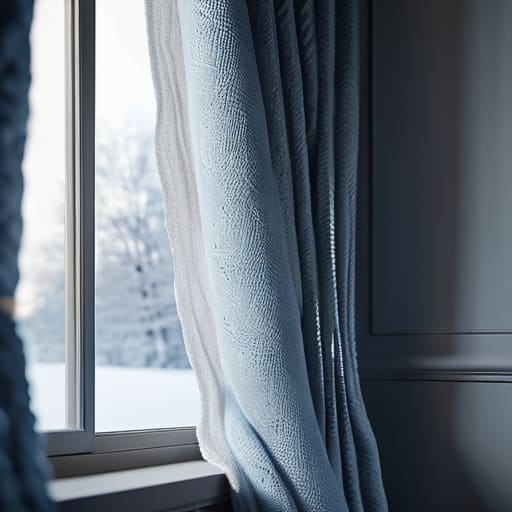
When I’m auditing a room, I don’t just look at the thermostat; I look at the windows. Most people think a curtain is just a piece of fabric to hide a messy room, but if you’re using high-quality thermal insulation fabric technology, that fabric becomes a functional barrier. These specialized textiles are engineered with dense weaves or even integrated layers that trap air. This creates a buffer zone between your living space and the cold glass, which is essentially a giant heat sink during the winter.
It’s not just about blocking light—though there is a huge difference between blackout vs thermal curtains when it comes to light control—it’s about active temperature regulation. By installing these, you’re essentially adding a layer of invisible insulation to your walls. This is one of the most underrated methods for reducing heating costs with drapes because it stops the “radiant cooling” effect where your body feels cold just by being near a window. Instead of your heater working overtime to fight a losing battle against the draft, the fabric does the heavy lifting for you.
Smart Temperature Regulation Home Decor for Every Budget
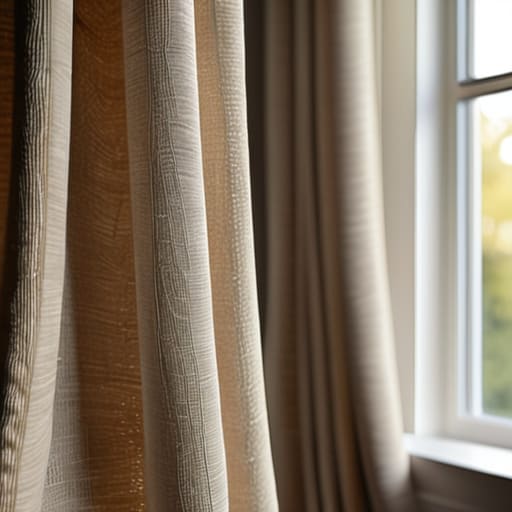
The truth is, you don’t need a massive budget to start upgrading your home’s thermal envelope. If you’re renting or living in a space where you can’t touch the windows, you can still leverage temperature regulation home decor to make a dent in your utility bills. I often tell my clients that you don’t have to choose between aesthetics and savings. You can find heavy, textured fabrics that look like high-end linen but actually function as effective energy efficiency window coverings. Even a budget-friendly set of heavy drapes can create a much-needed buffer between your living space and a drafty window pane.
When you’re shopping, don’t get distracted by marketing fluff; look for density. I usually check the weight of the fabric myself. While many people debate blackout vs thermal curtains, the real goal is finding something with enough mass to act as a barrier. By prioritizing reducing heating costs with drapes that have a tight weave, you’re essentially adding a layer of invisible insulation to your walls. It’s a low-effort, high-reward way to stabilize your indoor climate without a professional retrofit.
5 Low-Cost Ways to Maximize Your Thermal Curtain Impact
- Seal the gaps. Even the best thermal curtains won’t work if heat is just whistling around the edges. I always check the sides and the top; if there’s a gap between the fabric and the wall, your expensive warm air is basically walking right out the window.
- Size matters more than you think. Don’t just buy curtains that barely cover the glass. To actually trap a layer of insulating air, you need them to be wide enough to overlap the window frame significantly and long enough to hit the floor.
- The “Day vs. Night” strategy. This is a simple one: pull them wide open during sunny hours to let the sun do the heating for free, but the second the sun dips, close them tight to lock that warmth inside.
- Double up if you’re serious. If you’re dealing with an old, drafty rental like I used to, one layer might not cut it. Pairing thermal curtains with a simple honeycomb blind creates an extra air pocket that acts like a secondary barrier against the cold.
- Check your hardware. If you’re using a thin, flimsy rod, your heavy thermal fabric might sag, creating massive air leaks at the top. Invest in a sturdy rod that can hold the weight so the curtain stays flush against the window.
The Bottom Line: Why Thermal Curtains Are a Non-Negotiable
Stop viewing curtains as just decor; they are a functional barrier that keeps your expensive heat inside the room where you actually need it.
You don’t need a massive, expensive retrofit to see results—hanging heavy, thermal-lined fabric is one of the fastest ways to lower your utility bills.
Think of thermal curtains as a passive energy tool that works 24/7, helping you maintain a steady temperature without constantly cranking up the thermostat.
The Real Cost of a Cold Room
“I’ve spent enough time pointing an infrared thermometer at drafty window frames to know that a window isn’t just a view—it’s a massive hole in your wallet. Thermal curtains aren’t just a decor choice; they’re a practical barrier that stops you from literally paying to heat the neighborhood.”
Tobias Nkemdirim
Making the Switch

At the end of the day, thermal curtains aren’t just a design choice; they are a practical tool for reclaiming control over your living space. We’ve looked at how specialized fabric technology acts as a barrier against the elements and how choosing the right decor can help you manage your indoor climate without touching the thermostat. By addressing these small thermal leaks, you aren’t just decorating—you are actively plugging the holes in your wallet. It’s about making sure the energy you pay for actually stays inside the rooms where you need it, rather than bleeding out through your windows.
I know that when you’re staring at a mounting utility bill, a few yards of heavy fabric might feel like a minor fix, but these small, smart changes are exactly how we build a more sustainable lifestyle. You don’t need a massive solar array or a total home overhaul to start making a difference. It starts with recognizing that efficiency is accessible to everyone, regardless of your budget. Let’s stop letting our hard-earned money escape through the glass and start building homes that work for us, not against us.
Frequently Asked Questions
How do I know if my current curtains are actually doing anything, or if I'm just wasting money on decorative fabric?
The easiest way to tell? Grab your infrared thermometer. I do this during every audit. On a cold night, aim it at the space between your current curtains and the windowpane. If you’re seeing a massive temperature gap—like a 10-degree difference—your curtains are basically just expensive wallpaper. If they feel thin or light, they aren’t trapping any heat. If you can feel a draft hitting your ankles, your fabric isn’t doing its job.
Will thermal curtains make my room feel too dark or stuffy during the day?
That’s a fair concern, and honestly, it’s one I hear a lot during my audits. If you go for heavy, blackout-style thermal curtains, yeah, your room might feel a bit cave-like during the day. But you don’t have to sacrifice light for efficiency. I usually recommend layering: use sheer thermal liners that let soft light through while still trapping heat, or just keep them open during sunny hours to let the sun do the heating work for free.
Are these curtains worth the investment if I'm living in a rental and can't change the windows themselves?
Absolutely. In fact, I’d argue they’re even more essential for renters. Since you can’t go ripping out old single-pane windows or upgrading to double glazing without losing your security deposit, you have to find workarounds. Thermal curtains are a non-permanent, low-cost hack. I’ve audited plenty of apartments where a simple heavy drape acted as a secondary barrier, stopping drafts and saving the tenant a significant chunk on their heating bill. It’s a win-win.
