I remember standing in my old rental apartment, shivering while waiting for a shower that never seemed to get warm enough, only to realize my water heater was working overtime just to keep up with the heat loss. It wasn’t a lack of willpower; it was a massive leak in my budget. Most people think improving water heating efficiency requires a total system overhaul or a massive investment in solar arrays, but that’s just expensive noise. You don’t need to replace your entire setup to see a difference; you just need to stop letting energy escape through cracks you can’t even see.
I’m not here to sell you on high-tech gadgets that won’t actually pay for themselves. Instead, I’m going to walk you through the practical, data-driven tweaks that I use during my own audits to slash utility bills without breaking the bank. We’re going to look at the small, smart changes—from insulation hacks to temperature calibration—that actually move the needle. My goal is simple: to show you how to reclaim your comfort and stop wasting money on heat that never even reaches your shower.
Table of Contents
- Smart Water Heating Technology That Actually Fits Your Budget
- Perfecting Your Water Heater Temperature Settings to Save Daily
- Low-Cost Fixes to Stop Your Water Heater From Bleeding Cash
- The Bottom Line on Water Heating Efficiency
- The Hidden Cost of Comfort
- Cutting the Cord on Wasted Energy
- Frequently Asked Questions
Smart Water Heating Technology That Actually Fits Your Budget
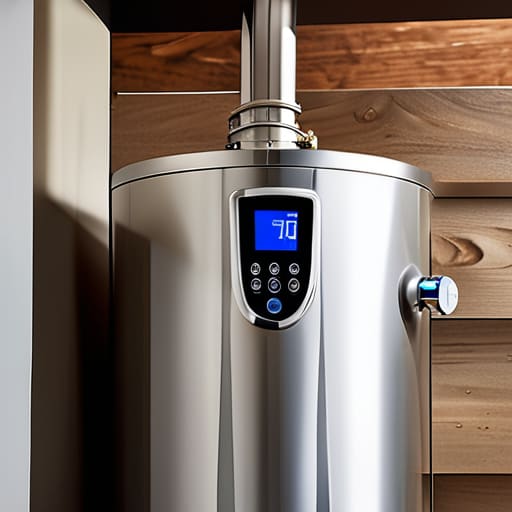
When people talk about upgrading their tech, they usually think of the latest smartphone, but the real game-changer for your wallet is actually sitting in your utility closet. If you’re looking at smart water heating technology, don’t feel like you need to drop five figures on a futuristic setup. For most of my clients, the smartest move is simply switching to Energy Star rated water heaters. These units are engineered to minimize the energy wasted during the heating cycle, meaning you get the same hot shower for a fraction of the cost.
If a full replacement isn’t in the cards right now, you can still use data to your advantage. I always tell people to check their water heater temperature settings first. Most manufacturers set them unnecessarily high, which forces the unit to work overtime just to maintain a temperature you don’t even need. I also recommend looking into high-quality insulation blankets for your tank. It’s a low-cost way of reducing standby heat loss, ensuring that the energy you’ve already paid for actually stays in the water rather than bleeding through the tank walls.
Perfecting Your Water Heater Temperature Settings to Save Daily
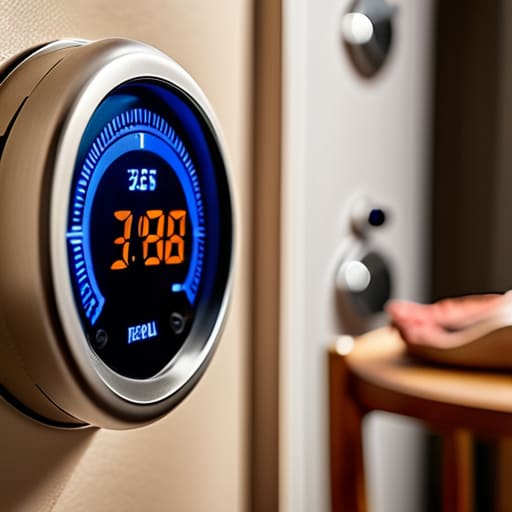
Most people treat their water heater like a “set it and forget it” appliance, but that’s exactly where you start losing money. I’ve seen so many homes where the thermostat is cranked up to 140°F (60°C) unnecessarily. Unless you have a specific medical need or a high risk of bacteria, you really don’t need it that hot. By adjusting your water heater temperature settings to a more reasonable 120°F (49°C), you aren’t just saving a bit of power; you’re significantly reducing standby heat loss. When the tank isn’t fighting to maintain an extreme temperature, it isn’t cycling on and off constantly, which preserves the life of the unit and keeps your costs down.
It’s one of those small, data-backed tweaks that makes a massive difference over a month of utility statements. Think of it as tuning an engine; you’re looking for that sweet spot where you have enough heat for a hot shower without the excess waste. If you find yourself constantly adjusting the dial, you might need to look into better insulation for your pipes, but for most, lowering utility bills starts with this one simple, manual adjustment.
Low-Cost Fixes to Stop Your Water Heater From Bleeding Cash
- Insulate your pipes. If you’ve got bare copper or plastic pipes running from the heater, you’re losing heat before the water even reaches your tap. Grab some foam pipe sleeves—they’re cheap, easy to snap on, and keep that thermal energy where it belongs.
- Check your tank for “sweating.” If I see condensation pooling around the base of a tank during an audit, it usually means the insulation is failing or the tank is losing heat too fast. A dedicated water heater blanket can act like a thermal jacket for your unit.
- Install low-flow showerheads. This isn’t just about saving water; it’s about saving the energy required to heat that water. When you use less volume, your heater doesn’t have to work nearly as hard to recover.
- Fix those leaky faucets immediately. A steady drip might seem minor, but it’s a constant drain on your hot water reservoir. Every drop that leaks out is a drop that you’ve already paid to heat, only to watch it go straight down the drain.
- Time your heavy usage. If you’re running a dishwasher or a laundry load, try to do it during off-peak hours if your utility provider uses time-of-use pricing. It’s a simple way to align your energy consumption with a smarter, cheaper grid.
The Bottom Line on Water Heating Efficiency
You don’t need a high-tech overhaul to see results; starting with simple temperature adjustments can provide immediate relief to your monthly utility bills.
Prioritize smart, budget-friendly upgrades like insulation or better tech over expensive, unnecessary renovations to get the best ROI on your energy savings.
Small, consistent habits—like being mindful of how much hot water you actually use—are just as vital as the hardware sitting in your utility closet.
The Hidden Cost of Comfort
Most people think a high utility bill is just the price of a warm shower, but it’s actually the cost of inefficiency. We’re essentially paying a premium to heat water that leaks out of poorly insulated tanks or stays scalding hot long after we’ve turned the tap off. Efficiency isn’t about sacrifice; it’s about making sure every cent you spend actually goes toward the comfort you’re paying for.
Tobias Nkemdirim
Cutting the Cord on Wasted Energy
At the end of the day, optimizing your water heating doesn’t require a massive overhaul or a sudden windfall of cash. We’ve looked at how upgrading to smarter, more efficient tech can pay for itself, and how simply dialing back your temperature settings can stop that constant, invisible drain on your bank account. Whether you are insulating your pipes to keep the heat where it belongs or choosing a model that actually matches your household’s real-world usage, these aren’t just technical tweaks—they are direct ways to reclaim control over your monthly expenses.
I know it can feel overwhelming to tackle sustainability when you’re just trying to make ends meet, but please don’t let perfection be the enemy of progress. You don’t need a solar-powered mansion to make a difference; you just need to stop letting energy leak out of your life through sheer convenience. Start with one small change this week, grab your tools, and look at your setup with a critical eye. If we all focus on these small, intentional adjustments, we can build a future where living sustainably is a standard, affordable reality for everyone, not just a luxury for the few.
Frequently Asked Questions
Is it actually worth the upfront cost to switch to a heat pump water heater, or should I just stick with my current tank?
Look, I get the hesitation. The upfront cost of a heat pump water heater is a gut punch compared to a standard tank. But if you’re looking at the long game, the math almost always wins. I’ve run the numbers on several audits, and the energy savings are massive because you’re moving heat instead of creating it. If you plan on staying in your home for more than a few years, the ROI is real.
How much energy am I really losing through the insulation on my pipes, and can I fix that myself?
Honestly, it’s a massive, invisible leak. If your pipes are bare, you’re basically paying to heat your utility closet or crawlspace instead of your shower. I’ve used my thermal scanner on several jobs and seen temperature drops that are honestly staggering. The good news? It’s one of the easiest DIY fixes out there. Grab some foam pipe sleeves from the hardware store, wrap them tight, and you’ll stop bleeding heat immediately.
Will lowering my water temperature to 120°F (49°C) actually make a noticeable dent in my monthly bill?
Short answer: Yes, it will. Most manufacturers set heaters to 140°F by default, which is overkill for basic tasks like washing hands or dishes. By dropping it to 120°F, you’re reducing “standby heat loss”—that constant energy drain where your heater works just to keep water hot while you aren’t even using it. It’s one of those low-effort, high-reward tweaks that actually shows up on your utility statement.
