I still remember standing in my old rental kitchen, shivering in a puffer jacket while waiting for a kettle to boil, staring at a utility bill that felt like a personal insult. It wasn’t that I was doing anything “wrong,” it was just that the space was a sieve for heat and my appliances were relics of a more wasteful era. Most people think building an energy saving kitchen requires a massive renovation or a bank loan for high-end smart tech, but that’s a total myth. You don’t need a designer budget to stop bleeding money; you just need to stop ignoring the leaks—both the literal ones and the ones in your daily habits.
I’m not here to sell you on expensive gadgets that promise the world and deliver nothing. Instead, I’m going to show you how to audit your own space using the same practical, data-driven approach I use in my professional consultations. We’re going to focus on small, smart swaps and simple adjustments that actually move the needle on your monthly costs. My goal is to help you take control of your consumption so you can keep your bills low and your environmental impact even smaller.
Table of Contents
- Smart Kitchen Energy Management Without the High Price Tag
- Optimizing Refrigerator Efficiency to Keep Your Bills Low
- Stop Bleeding Energy: 5 Low-Effort Moves to Tighten Up Your Kitchen
- The Bottom Line for Your Kitchen Bills
- The Philosophy of a Lean Kitchen
- Small Changes, Big Impact
- Frequently Asked Questions
Smart Kitchen Energy Management Without the High Price Tag

You don’t need a complete kitchen overhaul to start seeing a difference in your monthly statement. Most people think they have to wait until they can afford a full suite of energy star rated appliances to make an impact, but that’s a misconception. Real change often starts with the machines you already own. For instance, I recently audited a client’s kitchen and found they were losing massive amounts of cold air simply because their fridge coils were coated in dust. By just optimizing refrigerator efficiency through a quick cleaning and ensuring there’s enough breathing room around the unit, they saw an immediate drop in power draw.
It’s also about how you actually use your tools. I’m a big advocate for low energy cooking techniques like using a microwave or an air fryer instead of firing up a massive oven for a single portion. An oven is essentially a giant heater that wastes energy warming up the entire room just to cook one chicken breast. If you can master smaller, more targeted heat sources, you’ll find that reducing kitchen electricity consumption becomes a natural part of your routine rather than a chore.
Optimizing Refrigerator Efficiency to Keep Your Bills Low
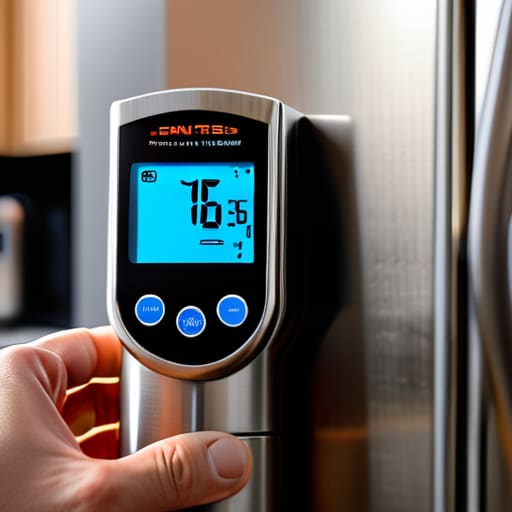
If you’re looking for the biggest culprit in your monthly bill, look no further than your fridge. It’s the one appliance that never takes a break, running 24/7, which means even small inefficiencies add up fast. I often use my infrared thermometer during audits to check the seals; if I see heat bleeding in around the door, I know that compressor is working overtime just to keep up. Before you go out and drop a fortune on new energy star rated appliances, try something simpler: clean your condenser coils and check those gaskets. A dusty coil or a leaky seal forces the motor to run longer, which is essentially just throwing money out the window.
Another thing I notice is how people treat their fridge like a storage unit rather than a tool. When you pack it too tight, you block the airflow; when it’s too empty, the cold air just spills out every time you open the door. I’m a big fan of optimizing refrigerator efficiency by keeping it about 70-80% full. If you’re running a half-empty unit, even putting a few jugs of water inside can help maintain the temperature, reducing kitchen electricity consumption by providing thermal mass to stabilize the internal climate.
Stop Bleeding Energy: 5 Low-Effort Moves to Tighten Up Your Kitchen
- Stop preheating the oven for everything. If you’re just warming up a slice of pizza or a quick snack, use a toaster oven or an air fryer instead. Big ovens are energy hogs, and heating up that massive cavity just to melt some cheese is basically throwing money out the window.
- Master the art of “batch cooking” to save on stove time. Every time you fire up a burner, you might as well cook enough for tomorrow’s lunch too. It’s much more efficient to run a pot for 30 minutes once than to run it for 15 minutes twice throughout the week.
- Keep the lids on your pots. It sounds simple, but cooking without a lid is like leaving your front door open in mid-winter. You’re losing heat to the air instead of using it to cook your food, which forces you to crank the heat higher than necessary.
- Give your dishwasher a break—but only if it’s full. Don’t run it for three plates. Wait until you have a full load, and always use the “eco” setting if your machine has one. It uses less water and lower temperatures, which is way easier on your utility bill.
- Check your seals and coils. I always pull out my infrared thermometer to check if the heat is escaping around the oven door or if the fridge coils are caked in dust. A dusty fridge has to work twice as hard to stay cool, and that extra work shows up directly on your monthly bill.
The Bottom Line for Your Kitchen Bills
Stop treating your fridge like a storage unit; keeping it organized and properly spaced away from the wall prevents the motor from overworking and spiking your power usage.
You don’t need fancy smart appliances to see results—small habit shifts like using the right pot size and covering pans while cooking can stop heat from escaping and wasting energy.
Focus on the low-hanging fruit first; auditing your kitchen for simple fixes like leaky seals or inefficient heating habits yields much faster savings than waiting for a major renovation.
The Philosophy of a Lean Kitchen
“Efficiency isn’t about buying the most expensive smart appliances; it’s about closing the gap between the energy you pay for and the energy you actually use. If your kitchen is leaking heat or running old tech inefficiently, you’re basically just burning cash.”
Tobias Nkemdirim
Small Changes, Big Impact

At the end of the day, making your kitchen more efficient isn’t about buying the most expensive smart appliances on the market. It’s about the data—knowing that a simple coil cleaning on your fridge or being mindful of how often you open the oven can actually move the needle on your monthly utility statement. We’ve covered how to manage your energy use without a massive upfront investment, focusing on practical, low-cost adjustments that stop your hard-earned money from literally evaporating into thin air. By tightening up these small habits, you’re not just optimizing a room; you’re slashing unnecessary waste one meal at a time.
I know it can feel overwhelming when you look at the sheer scale of the climate crisis, but I want you to remember that sustainability shouldn’t be a luxury reserved for the wealthy. Every time you choose to be intentional with your power usage, you are proving that a low-impact lifestyle is accessible to everyone. My goal is to help you see that your home is a system you can control. Don’t wait for a massive renovation to start making a difference; grab your tools, start with the small stuff, and take back control of your bills and your footprint today.
Frequently Asked Questions
If I can't afford a new energy-efficient fridge right now, what are the most effective ways to make my current one run more efficiently?
Look, I get it. A new fridge is a massive upfront cost that most people just can’t swing. If you’re stuck with an older model, start by checking the seals—grab your thermometer and see if cold air is escaping around the door. Also, stop cramming it full; air needs to circulate to keep things cool. Finally, pull it a few inches away from the wall. Giving those coils some breathing room makes a huge difference.
Are there specific times of day when running the dishwasher or oven actually makes a measurable difference in my monthly bill?
It really depends on your utility provider’s rate structure. If you’re on a “time-of-use” plan, the difference is massive—running the dishwasher at 10 PM instead of 6 PM can save you a noticeable chunk of change. Even if you aren’t on one of those plans, I always suggest batching tasks. Don’t run the oven for one tray of veggies; wait until you have a full meal planned. Efficiency is about timing and volume.
I’ve heard about induction cooktops being better for energy, but is it actually worth the investment for a small kitchen, or should I stick to optimizing my gas/electric stove?
Look, I get the temptation to upgrade, but don’t let the hype drain your bank account. If your current stove is working, focus on optimizing it first—clean those burners and use matching pot sizes. Induction is incredibly efficient and great for indoor air quality, but it’s a heavy upfront cost. Unless you’re ready to replace your cookware too, stick to the small, smart tweaks. Efficiency starts with what you already own.
