
I still remember sitting in my old rental apartment, shivering under three blankets while the air felt heavy, damp, and somehow… stale. I’d check the windows, thinking if I just sealed everything tight to keep the heat in, I’d finally be comfortable. But instead, I just ended up trapping moisture and breathing in stagnant air. It’s a classic mistake: people think “efficiency” means making a house airtight, but without proper ventilation systems, you’re basically just living in a high-priced plastic bag. You aren’t saving money if you’re paying to circulate stale, humid air and risking mold growth just to keep the warmth inside.
I’m not here to sell you on some high-tech, overpriced HVAC overhaul that costs more than your monthly rent. My goal is to show you how to manage your home’s airflow using practical, data-driven tweaks that actually work. We’re going to look at how to keep your air fresh and your energy bills low without needing a massive renovation budget. I’ll give you the straight truth on how to optimize your ventilation systems so you can stop wasting power and start breathing better air.
Table of Contents
Natural vs Mechanical Ventilation Choosing the Low Cost Path

When I’m auditing a home, I usually see people jumping straight to the most expensive solution because they think “more tech equals better air.” But before you go out and drop a few thousand on a high-end setup, you need to understand the real trade-offs between natural vs mechanical ventilation. Natural ventilation—basically just using your windows and existing airflow—is essentially free. If you time it right, you can flush out stale air without touching your thermostat. However, relying solely on windows can be a gamble; if it’s freezing outside, you’re essentially paying to heat the neighborhood.
On the other hand, looking into different mechanical ventilation types can offer much more control, especially when it comes to preventing mold growth in tighter, modern spaces. While a fan or a heat recovery unit requires an initial investment, they work much harder to maintain consistent indoor air quality improvement without the massive energy spikes. For most of my clients, the goal isn’t to go all-out on a complex system, but to find that sweet spot where you aren’t fighting the weather just to breathe clean air.
Boosting Hvac System Efficiency Without Breaking the Bank
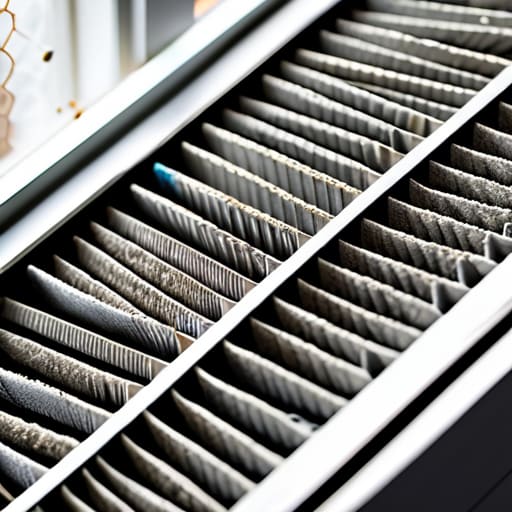
Once you’ve decided on your ventilation strategy, the next step is making sure your hardware isn’t working against you. I’ve audited plenty of homes where the HVAC system was running at full tilt, yet the residents were still shivering or sweating. Usually, the culprit isn’t a broken unit, but poor maintenance. If your filters are caked in dust, your system has to fight harder to move air, which is a direct hit to your HVAC system efficiency. I always tell my clients: change your filters every three months. It’s a tiny expense that prevents your motor from burning out prematurely.
Beyond filters, pay attention to your ductwork. If you have leaks in your ducts, you’re essentially paying to heat or cool your attic instead of your living room. It’s a massive waste of money. Also, don’t overlook the importance of preventing mold growth by ensuring your system is actually managing humidity levels correctly. If your air feels heavy or damp, your ventilation isn’t doing its job. Keeping the airflow unobstructed and the moisture in check is the most cost-effective way to protect both your lungs and your wallet.
Five Low-Cost Ways to Fix Your Airflow Without Draining Your Bank Account
- Stop the Draft: Use weatherstripping or even just a heavy door snake to make sure your ventilation isn’t fighting against massive leaks in your windows and doors.
- Clean Your Filters Monthly: It sounds basic, but a clogged filter makes your system work twice as hard for half the airflow; it’s literally just throwing money away.
- Master the Window Strategy: Learn the rhythm of your home—open windows on the cool side of the house during the evening to flush out heat, rather than cranking the AC.
- Clear the Obstructions: Check that your furniture or curtains aren’t actually blocking your vents; if the air can’t move, your system is just spinning its wheels.
- Use Exhaust Fans Strategically: Keep those bathroom and kitchen fans running for twenty minutes after you’re done to pull out moisture and stale air, preventing that heavy, energy-sapping humidity.
The Bottom Line on Better Airflow
You don’t need a high-tech overhaul to see results; start by optimizing what you already have, whether that’s clearing dust from vents or strategically opening windows.
Prioritize natural ventilation whenever possible to keep your mechanical systems from working overtime and driving up your monthly bills.
Think of ventilation as a balance between air quality and heat retention—if you’re letting the good air in, make sure you aren’t accidentally letting all your expensive warmth out.
The Hidden Cost of Stale Air
“Most people treat ventilation as an afterthought, but I see it as a constant tug-of-war between air quality and your bank account; if you aren’t managing your airflow, you’re essentially paying to heat the neighborhood instead of your living room.”
Tobias Nkemdirim
Making it Count

At the end of the day, managing your home’s airflow doesn’t require a high-end engineering degree or a massive renovation budget. We’ve looked at how you can balance natural ventilation with smart mechanical tweaks, and how maintaining your existing HVAC setup can prevent massive energy leaks. Whether you’re just opening a window at the right time or finally cleaning those dusty vents, the goal is the same: keeping your air fresh without sending your utility bill into orbit. It’s about finding that sweet spot where comfort meets actual, measurable efficiency.
I know it can feel overwhelming when you look at the sheer amount of energy we waste just because it’s the easiest path. But remember, sustainability isn’t an all-or-nothing game reserved for people with huge bank accounts. It’s built through these small, intentional shifts in how we live. Every time you optimize your ventilation, you’re making a choice to be more mindful of your resources and your footprint. Stop letting your hard-earned money drift out the window; start taking control of your space, one smart tweak at a time.
Frequently Asked Questions
If I seal up all my drafts to save on heating, am I going to end up with mold or poor air quality?
Short answer: Yes, you absolutely can. If you seal every single crack and draft without a plan for airflow, you’re basically creating a plastic bag for your house. Moisture from cooking, showering, and even breathing gets trapped, which is a recipe for mold and stale, stuffy air. Don’t just seal everything shut; focus on sealing the leaks that lose heat, then make sure you have a controlled way to let fresh air in.
How can I tell if my current ventilation is actually working or if it's just moving stale air around?
The easiest way to tell? Grab your infrared thermometer. If you point it at your vents and see a massive temperature delta compared to the room, you’re probably just circulating stagnant air. Also, keep an eye on your windows; if you see condensation buildup in the mornings, your ventilation is failing to exchange moisture, regardless of what your HVAC says. If the air feels “heavy” or smells stale despite the fan running, you’re just moving old air around.
Are there any cheap, DIY ways to improve airflow in a small apartment without installing a whole new system?
You don’t need a contractor to fix your airflow. Start with the basics: clear your vents. If your furniture is blocking a return air vent, your system is fighting itself. Next, grab some inexpensive weatherstripping for your windows and doors to stop drafts from fighting your HVAC. I also swear by small, low-wattage circulation fans placed near windows to pull fresh air in. It’s about managing the air you already have, not buying more.
