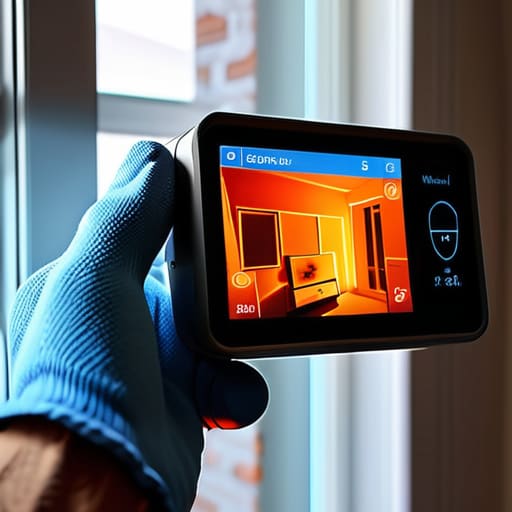
I still remember sitting in my old rental apartment three winters ago, wrapped in two blankets and shivering, watching my bank account drain because of a heating bill that made zero sense. I’d pull out my infrared thermometer, scan the window frames, and watch the temperature drop instantly—it was like watching my money leak straight through the walls. Most people think a home energy audit has to be this massive, expensive ordeal involving specialized contractors and high-tech sensors that cost more than the actual repairs. But honestly? That’s a myth that keeps people from actually fixing their homes.
I’m not here to sell you on some overpriced, corporate-led overhaul that requires a second mortgage. My goal is to show you how to approach a home energy audit with a practical, DIY-friendly mindset that prioritizes actual results over fancy gadgets. I’m going to walk you through the exact steps I use in my consulting work to spot the hidden culprits draining your wallet. We’re going to focus on low-cost, high-impact changes that stop you from literally heating the outdoors, so you can finally keep your bills low and your home comfortable.
Table of Contents
Finding Hidden Leaks With a Blower Door Test
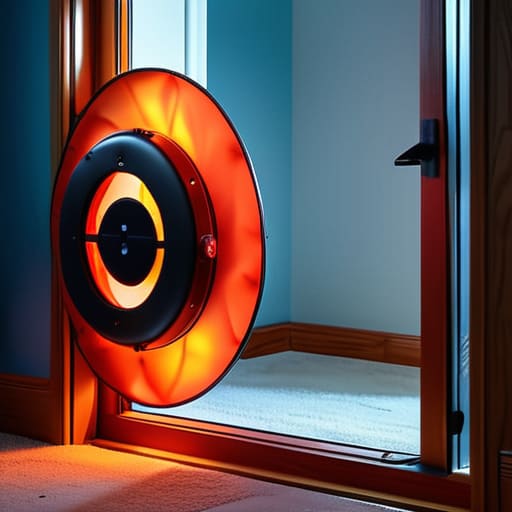
If you want to move beyond simple DIY fixes like weatherstripping, you need to look at the structural integrity of your home’s “envelope.” This is where a blower door test becomes a game-changer. Essentially, a technician installs a powerful fan into your front door frame to depressurize the house. This artificial pressure difference forces air through every tiny crack, gap, and crevice that you can’t see with the naked eye. It’s the most effective way to pinpoint exactly where your conditioned air is escaping.
Once the pressure is dialed in, I usually pair this with a thermal imaging inspection to get the full picture. While the blower door test shows where the air is moving, the infrared camera shows the actual temperature differentials on your walls and ceilings. It’s one thing to know you have a leak; it’s another to see a bright red plume of heat escaping through a recessed light fixture or an outlet. Seeing these visual data points makes the case for energy efficiency improvements undeniable, turning a vague feeling of “it’s drafty” into a precise, actionable map for your budget.
Seeing the Invisible via Thermal Imaging Inspection

If the blower door test is about feeling the pressure, a thermal imaging inspection is about actually seeing the consequences. I usually pull out my thermal camera right after a pressure test because it turns invisible heat loss into a vivid, color-coded map. You’ll see bright purples and blues bleeding through areas that look perfectly fine to the naked eye—like a hairline crack around a window frame or a gap in the attic floor. It’s one thing to guess that your walls are poorly insulated, but it’s another thing entirely to see the heat literally escaping your living room in real-time.
This is where a proper home insulation assessment becomes incredibly practical. Instead of a contractor telling you that you need a full attic overhaul (which can get expensive fast), the camera shows you exactly where the breakdown is happening. Maybe it’s just a single missing batt of fiberglass or a poorly sealed electrical outlet. By pinpointing these specific thermal bridges, you can focus your budget on the exact spots that will actually result in reducing utility bills, rather than just throwing money at general upgrades that might not even solve the problem.
5 Quick Wins to Tackle After Your Audit
- Check your attic insulation levels immediately. If you can see your floor joists, you’re basically leaving a giant window open to the sky; adding more cellulose or fiberglass is one of the highest-ROI moves you can make.
- Seal those sneaky air gaps around windows and doors using caulk or weatherstripping. I always use my infrared thermometer to find the exact spots where drafts are creeping in, because even a tiny gap can bleed a surprising amount of heat.
- Inspect your ductwork for leaks or disconnected joints. If your HVAC system is working overtime just to push air through holes in your ceiling or basement, you’re literally paying to heat your crawlspace instead of your living room.
- Look into upgrading to a smart thermostat if you haven’t already. It’s not just a gadget; it’s a way to ensure you aren’t heating or cooling an empty house when you’re at work or asleep.
- Evaluate your water heater settings and insulation. Most people have their heaters set much higher than necessary; dialing it back to 120°F (49°C) and wrapping an old tank in an insulation jacket can save a decent chunk of change every month.
The Bottom Line: What an Audit Actually Does for Your Wallet
An energy audit moves you from guessing to knowing; instead of throwing money at random fixes, you’ll have a data-backed roadmap of exactly where your cash is leaking out of your walls.
You don’t need a massive renovation budget to see results—most audits reveal small, low-cost wins like sealing gaps or upgrading insulation that pay for themselves in a few months.
Think of an audit as a preventative health check for your home that stops the cycle of overpaying for utilities and helps you build a space that’s actually comfortable to live in.
## The Cost of Guesswork
“Most people think they’re losing money to high utility rates, but after years of auditing, I can tell you that you’re usually just paying to heat the neighborhood through cracks you can’t even see. An audit isn’t about spending more; it’s about finally seeing where your hard-earned money is leaking out of your walls.”
Tobias Nkemdirim
Making Sense of the Data

At the end of the day, a home energy audit isn’t about getting a list of expensive renovations to overwhelm you. Whether we used a blower door test to find those massive air leaks or a thermal camera to spot the cold spots hiding behind your drywall, the goal was the same: visibility. We’ve moved past the guesswork. Now, instead of just feeling a draft and hoping for the best, you have the data to show exactly where your money is literally flying out the window. By identifying these specific weak points, you can stop the “spray and pray” method of fixing things and start making targeted, high-impact improvements that actually move the needle on your monthly bills.
I know that looking at a long list of efficiency upgrades can feel daunting, especially if you’re working with a tight budget. But remember, sustainability isn’t an all-or-nothing game. You don’t need to strip your house to the studs and install solar panels overnight to make a difference. Start with the low-hanging fruit—the seals, the insulation, and the simple fixes we identified today. Every kilowatt you save is a win for your wallet and a win for the planet. Let’s stop letting our hard-earned money vanish into thin air and start building homes that are actually built to last.
Frequently Asked Questions
I can't afford a professional inspector right now; are there any DIY ways I can spot energy leaks myself?
Look, I get it. Professional audits aren’t cheap, and not everyone has a massive budget. You can start with the basics: grab a stick of incense or a candle and move it slowly around window frames and door seals. If the smoke dances or the flame flickers, you’ve found a draft. I also swear by a cheap handheld infrared thermometer—it’s my go-to for spotting cold spots on walls without breaking the bank.
After the audit shows me where the leaks are, how do I know which repairs will actually save me the most money in the long run?
That’s the million-dollar question. You don’t want to spend $500 on a fancy smart thermostat if your windows are basically sieves. I always look at the “payback period.” Focus on the big offenders first—the ones that affect your most expensive utility, usually heating. If I see massive air infiltration around your attic or foundation, fix that first. It’s about prioritizing the repairs that offer the biggest drop in your monthly bill.
Do these energy audits work for older rental properties, or are they mostly designed for people who own their homes?
They absolutely work for rentals. Honestly, growing up in a drafty apartment, I know how frustrating it is to feel like you’re just throwing money out the window. While you can’t rip out walls or swap the HVAC system, an audit helps you identify the low-cost wins—like sealing window gaps or using heavy curtains—that make a massive difference in your monthly bills without needing the landlord’s permission for major renovations.
