
I still remember sitting in my old rental apartment three years ago, shivering under three layers of wool blankets while the radiator hissed like a dying animal. I was staring at a utility bill that looked more like a mortgage payment, realizing that my heat wasn’t even reaching the corners of the room. It wasn’t a lack of fuel; it was a total failure of heating system maintenance. Most people think they need to drop a thousand dollars on a high-tech smart thermostat or a brand-new furnace to stay warm, but that’s just a expensive distraction from the actual problem.
I’m not here to sell you on complicated gadgets or overpriced contractor contracts that do nothing for your actual footprint. Instead, I’m going to give you the straightforward, data-backed reality of how to keep your system running lean. We’re going to look at the small, practical steps you can take right now to stop wasting energy and start lowering your bills. This is about smart, low-impact upkeep that actually works, without requiring a massive bank account to execute.
Table of Contents
- Your Low Cost Preventative Heating Maintenance Checklist
- Spotting the Subtle Signs of a Faulty Boiler
- 5 Quick Wins to Keep Your Heating Running Lean
- The Bottom Line on Keeping Your Heat (and Cash) in the House
- The Real Cost of Neglect
- The Bottom Line on Heating Maintenance
- Frequently Asked Questions
Your Low Cost Preventative Heating Maintenance Checklist
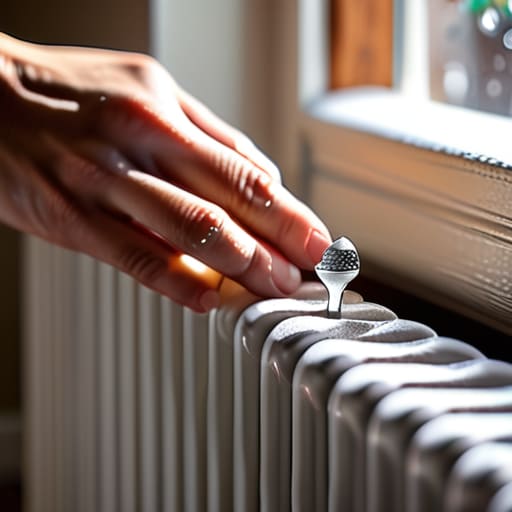
I don’t expect you to hire a technician every time a radiator feels slightly lukewarm, but you do need a basic preventative heating maintenance checklist to keep things running smoothly. Start with the easy stuff: bleed your radiators to get rid of trapped air and check your boiler pressure. If you notice certain rooms staying colder than others despite the heat being on, it’s often just an air pocket, not a broken system. I always tell my clients that catching these small issues early is the difference between a quick fix and an expensive emergency repair.
Next, take a look at your thermostat. It’s the brain of your entire setup, and if it’s miscalibrated, you’re essentially fighting a losing battle with your utility provider. Improving thermostat accuracy is one of the fastest ways to stop overpaying for heat you aren’t actually using. While you’re at it, do a quick visual sweep for any unusual noises or leaks around your pipes. If you spot these signs of a faulty boiler, don’t ignore them—that’s usually the moment your efficiency starts to tank and your bills start to climb.
Spotting the Subtle Signs of a Faulty Boiler
Most people don’t notice a boiler failing until they’re shivering in a cold living room, but by then, the repair bill is usually massive. I’ve learned through audits that the warning signs are often subtle. Keep an eye out for strange noises—clanking, banging, or whistling—coming from your unit. These aren’t just “character” sounds; they’re often indicators of air trapped in the system or a pump struggling to do its job. If you notice your radiators are hot at the bottom but cold at the top, you’re likely dealing with sludge buildup, which is a major obstacle when it comes to lowering energy bills with heating care.
Another red flag is a sudden, unexplained spike in your monthly utility costs. If your usage jumps but your habits haven’t changed, your system is likely working overtime to compensate for a mechanical inefficiency. I always tell my clients to watch for uneven heating across different rooms, too. If one room stays icy while another is stifling, it’s time for some central heating troubleshooting. Catching these signs of a faulty boiler early can save you from a total system breakdown mid-winter.
5 Quick Wins to Keep Your Heating Running Lean
- Bleed your radiators to get rid of trapped air. If the top of your radiator is cold but the bottom is warm, you’re paying to heat air instead of water, which is a massive waste of energy.
- Clean your filters and vents regularly. Dust buildup acts like an insulator in the wrong places, forcing your system to work twice as hard to push heat through, driving your utility bills straight up.
- Check your thermostat settings and placement. If it’s sitting near a drafty window or a heat source, it’s giving you junk data, causing your heater to cycle on and off inefficiently.
- Insulate your exposed pipework. It’s a cheap, minimalist fix, but wrapping those pipes in foam prevents heat from bleeding out into the cupboard or crawlspace before it ever reaches your living room.
- Monitor your pressure gauges. A drop in pressure often signals a small leak somewhere in the system; catching it early prevents a minor fix from turning into a costly, high-impact emergency repair.
The Bottom Line on Keeping Your Heat (and Cash) in the House
Don’t wait for a total breakdown to act; catching small issues through regular checks is way cheaper than an emergency boiler repair.
Keep an eye (and an ear) on your system—weird noises or sudden temperature drops are your first warning signs that energy is leaking out.
Small, proactive maintenance isn’t just about comfort; it’s a data-driven way to slash your monthly utility bills and lower your footprint.
The Real Cost of Neglect
“A heating system isn’t just a convenience; it’s a major line item in your monthly budget. If you aren’t spending a little time on maintenance now, you’re essentially signing a blank check for a massive repair bill—or a much higher utility statement—later this winter.”
Tobias Nkemdirim
The Bottom Line on Heating Maintenance
At the end of the day, keeping your heating system in check isn’t about buying expensive gadgets or hiring a fleet of technicians; it’s about staying observant. By running through a simple checklist, keeping your vents clear, and knowing exactly what a failing boiler sounds like, you’re essentially plugging the leaks in your bank account. I’ve seen too many people ignore those small, subtle warning signs only to end up facing a massive repair bill or a freezing living room in the middle of January. Remember, preventative maintenance is always cheaper than emergency repairs, both for your wallet and for the environment.
Living sustainably shouldn’t feel like a luxury reserved for the wealthy. It’s about making these small, smart adjustments that ensure your home works for you, not against you. Every time you tune up your heater or catch a leak early, you are actively choosing to reduce your carbon footprint while keeping your living costs manageable. We don’t need to overhaul our entire lives to make a difference; we just need to stop letting energy slip through the cracks of convenience. Take care of your gear, and it will take care of you.
Frequently Asked Questions
How often should I actually call in a professional versus just doing the DIY checks myself?
Look, I’m all for DIY—it’s better for your wallet and the planet—but you need to know where the line is. Stick to the DIY checks for things like bleeding radiators, cleaning filters, or checking thermostat settings. However, if you smell gas, hear banging inside the unit, or see water pooling, stop immediately. Leave the internal mechanics and gas connections to a pro. It’s not worth risking your safety or breaking your system just to save a few bucks.
Is it worth spending money on a high-end smart thermostat, or are there cheaper ways to manage my heating schedule?
Look, I get the temptation to go all-in on a high-end smart thermostat, but you don’t need to drop hundreds to see results. If your current setup is just a manual dial, a mid-range programmable one is a massive win. Honestly, before you buy anything, just check your radiator valves. Replacing old TRVs with basic programmable ones is way cheaper and often more effective at stopping heat from bleeding into empty rooms.
I noticed my radiators are cold at the top but warm at the bottom; is that a sign of a major leak or just something I can fix easily?
Don’t panic—it’s likely not a major leak. What you’re describing sounds like trapped air, a classic case of “air locking.” When air gets stuck at the top of the radiator, it prevents hot water from circulating through the whole unit. It’s an easy fix: grab a radiator key and bleed the valve to let the air out. Once you see water instead of air, you’re back in business without spending a dime.
