
I remember sitting in my old rental apartment, staring at a utility bill that felt more like a punishment than a service. I was trying so hard to be sustainable, but it felt like the system was designed to keep me paying, no matter how much I tried to optimize. Most people talk about solar power like it’s this magic bullet, but they gloss over the actual mechanics of how you get your money back. They throw around jargon that makes you feel like you need a PhD just to understand your own meter. I’m tired of the gatekeeping, so let’s get straight to it: I’m giving you net metering explained without the corporate fluff or the confusing math.
My goal isn’t to sell you a fancy solar array or a lifestyle you can’t afford; it’s to show you how to make the grid work for your wallet. I’ve spent enough time auditing homes and checking heat leaks to know that every cent counts when you’re trying to live sustainably on a budget. In this guide, I’m going to break down exactly how those credits work and how you can stop essentially giving your excess energy away for free. No hype, just the practical data you need to decide if solar actually makes sense for your home.
Table of Contents
Turning Excess Solar Production Into Real Savings

Think of it this way: your solar panels aren’t just working for you when you’re home; they’re working for you even when you’re out running errands. On a clear, sunny afternoon when nobody is home to run the dishwasher or the AC, your panels are likely pumping out more power than your house can actually use. Instead of that energy just disappearing into the grid for nothing, net metering allows you to feed that excess solar production back to the utility company. It’s essentially like having a savings account for electricity.
This is where the math actually starts to make sense for your wallet. Through a process involving bi-directional metering, the utility company tracks both the power you pull from the grid and the power you send back. Those credits accumulate over your utility billing cycles, acting as a buffer for those cloudy days or long winter nights when your production dips. For anyone looking at their long-term photovoltaic system ROI, this isn’t just a neat technical feature—it’s the mechanism that turns a solar installation from a cool gadget into a legitimate tool for slashing your monthly overhead.
The Magic of Solar Energy Credits and Your Wallet
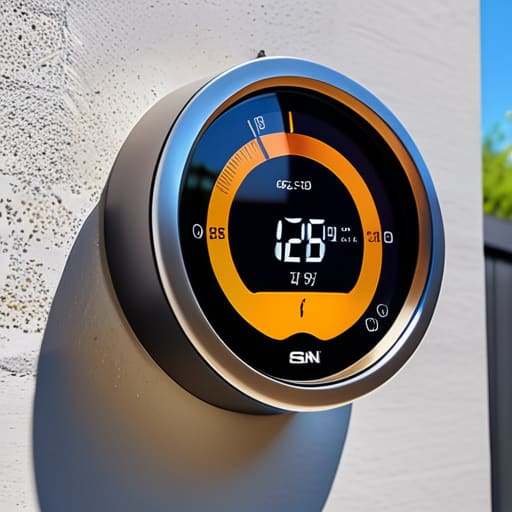
Think of it this way: your solar setup isn’t just a one-way street where you pull power from the grid. When your panels are cranking out more electricity than your appliances can handle during a sunny afternoon, that energy doesn’t just vanish. Thanks to bi-directional metering, your utility meter actually runs backward. It tracks every single kilowatt you push back into the grid, turning that surplus into a digital currency of sorts.
These solar energy credits act like a bank account for your electricity. Instead of the utility company just taking your extra power for free, they credit your account for the value of that excess solar production. This is a massive part of calculating your total photovoltaic system ROI. If you produce a ton of power in July but use very little, those credits roll over to cover your usage during the darker, colder months.
It essentially smooths out your monthly costs. Instead of seeing massive spikes in your utility billing cycles during the winter, you’re tapping into the “savings” you banked during the summer. It’s a practical way to ensure you’re getting every cent’s worth out of your hardware.
5 Ways to Actually Make Net Metering Work for You
- Watch your production peaks. Most people don’t realize their panels are cranking out the most power at noon when they aren’t even home. Understanding your peak production helps you decide if you need a battery or if net metering alone is enough to cover your evening usage.
- Check your local utility’s “buyback” rate. Not all net metering is created equal. Some companies give you a 1:1 credit for every kilowatt you send back, while others try to lowball you with “avoided cost” rates. I always check the fine print to make sure I’m not getting shortchanged.
- Size your system based on annual usage, not just daily peaks. Since net metering allows you to bank credits during the sunny months to use during the cloudy ones, you can be more strategic about how much hardware you actually install.
- Keep an eye on your meter readings. I still carry my infrared thermometer to find heat leaks, but I also keep a close eye on my digital utility portal. If your credits aren’t accumulating the way the math says they should, something is wrong with your setup or your billing.
- Don’t ignore the seasonal shift. You’ll likely be a “net producer” in the summer and a “net consumer” in the winter. Use the surplus you build up in July to offset those expensive heating bills in January so you aren’t hit with a massive bill when the sun isn’t cooperating.
The Bottom Line on Net Metering
Think of net metering as a way to stop your solar panels from working for free; instead of letting excess energy go to waste, you’re essentially using the grid as a giant battery to lower your future bills.
It’s one of the most practical ways to shorten your return on investment, making solar much more accessible for people who don’t have massive budgets for home upgrades.
Before you commit to a system, check your local utility’s specific rules, because while the concept is simple, the way they credit your energy can vary significantly from one area to another.
The Bottom Line on Net Metering
“Think of net metering as your home’s way of refusing to let excess energy go to waste; it turns your solar panels from a simple power source into a smart financial tool that works for you even when the sun isn’t shining.”
Tobias Nkemdirim
The Bottom Line on Your Solar Investment

At the end of the day, net metering is the bridge between just having solar panels and actually making them work for your bank account. We’ve looked at how sending your surplus energy back to the grid turns those sunny afternoons into credits, and how those credits act as a buffer against high utility bills during the months when you’re using more power than you’re producing. It isn’t just a technicality or a regulatory quirk; it is a fundamental tool that ensures you aren’t essentially giving away free electricity to the utility company. When you understand the math behind these credits, the whole solar transition starts to feel a lot less like a luxury expense and more like a calculated, smart move for your household budget.
I know that switching to solar can feel like a massive, intimidating leap, especially when you’re trying to balance a tight budget. But if there’s one thing my time auditing homes has taught me, it’s that sustainability shouldn’t be a gated community for the wealthy. By leveraging things like net metering, you are taking a practical step toward a home that is both efficient and economically resilient. You don’t need to overhaul your entire life overnight to make a difference. Start by understanding your local policies, look for those small leaks in your energy spending, and remember that every kilowatt saved is a win for your wallet and the planet.
Frequently Asked Questions
Does net metering actually work if I use most of my power at night when the sun isn't out?
That’s the million-dollar question, and honestly, it’s where most people get tripped up. The short answer is yes, it absolutely works. Think of net metering like a bank account for your electricity. During the day, your panels overproduce and “deposit” that extra energy into the grid. At night, when you’re cranking the lights and the TV, you “withdraw” that energy back. As long as your meter is spinning backward during the day, you’re covered.
How much can I realistically expect to see my monthly utility bill drop once I start getting these credits?
Look, I can’t give you a single magic number because it depends entirely on your roof’s orientation and your actual consumption patterns. But from what I see during my audits, if your system is sized correctly, you aren’t just looking at a small discount; you’re often looking at offsetting the vast majority of your daytime usage. For most, it means your bill drops from a heavy monthly burden to just the basic connection fees.
Are there specific types of solar setups or battery systems that make net metering more or less effective?
It really depends on your setup. If you’re strictly grid-tied without a battery, you’re basically relying on the utility to act as your “storage,” which makes net metering your best friend. However, if you add a battery system, you’re shifting toward “self-consumption.” This is great for backup power during outages, but if your local utility has poor net metering rates, you might actually be better off sending that extra power to the grid instead of storing it.
