I still remember sitting in my old rental apartment, shivering under three blankets because the heater was running constantly but the room stayed ice-cold. I’d stare at my utility bill, feeling like I was being robbed, while trying to figure out if my aging fridge was actually the culprit. Most people think you need a massive renovation budget to fix these issues, but that’s a lie. The truth is, a lot of the money you’re bleeding every month could be saved just by paying closer attention to the energy star rating on the appliances you’re already buying. It isn’t some elite, luxury concept; it’s a basic tool for anyone tired of throwing money down the drain.
I’m not here to sell you on expensive, high-tech gadgets or lifestyle trends that don’t actually move the needle. My goal is to strip away the marketing fluff and show you exactly how to use these ratings to make smart, budget-friendly decisions. I’ll walk you through what these numbers actually mean for your wallet and how to spot the real value so you can stop overpaying for power. This is about practical efficiency, not perfection.
Table of Contents
- Energy Star vs Standard Appliances the Real Cost Difference
- Understanding Yellow Energy Guides to Save Money Instantly
- 5 Ways to Use Energy Star Ratings Without Getting Scammed
- The Bottom Line: Making the Smart Choice
- ## The Real Math Behind the Sticker
- The Bottom Line on Efficiency
- Frequently Asked Questions
Energy Star vs Standard Appliances the Real Cost Difference
When I’m auditing a home, I often see people staring at a price tag for a new fridge and thinking, “I’ll just go with the cheaper model; it does the same thing.” That’s a trap. While a standard appliance might save you a hundred bucks upfront, the math changes the moment you plug it in. I’ve seen too many households stuck in a cycle of high utility costs simply because they ignored the long-term math. Comparing energy star vs standard appliances isn’t just about being “green”—it’s about calculating the total cost of ownership over five or ten years.
The real magic happens when you look at the cumulative impact. By choosing certified models, you aren’t just buying a machine; you’re investing in reducing household electricity bills every single month. I always tell my clients to look past the sticker price and focus on the operational drain. A standard dishwasher might be easy on your wallet today, but a certified one pays for itself through consistent energy efficient appliances cost savings. It’s about making sure your money stays in your pocket rather than being bled out through an inefficient compressor.
Understanding Yellow Energy Guides to Save Money Instantly
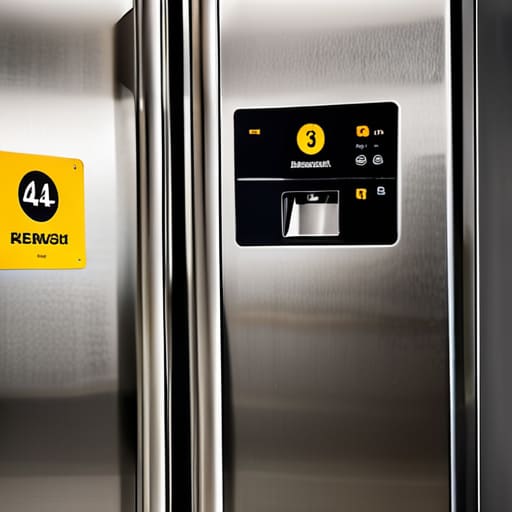
When you’re standing in the appliance aisle, staring at a wall of shiny refrigerators, don’t just look at the price tag. That’s where most people trip up. You need to look for those bright yellow stickers. Understanding yellow energy guides is probably the fastest way to see the long-term reality of what you’re buying. These labels aren’t just random decorations; they provide a direct comparison of how much electricity a unit will pull over an entire year.
I always tell my clients to ignore the upfront sticker shock for a second and look at the estimated annual operating cost. It’s easy to get seduced by a cheaper, non-rated model, but that “saving” is an illusion. By comparing the yearly cost listed on the guide, you can actually calculate your potential reducing household electricity bills impact before you even swipe your card. It’s about seeing the math clearly: a slightly more expensive machine today often pays for itself in less than two years through lower monthly utility costs. Don’t let a low purchase price trick you into a high-cost lifestyle.
5 Ways to Use Energy Star Ratings Without Getting Scammed
- Don’t just look for the logo; check the specific estimated annual operating cost on the tag. A high Energy Star rating is great, but if the machine uses a massive amount of power to begin with, you’re still going to see a spike in your monthly bills.
- Prioritize your “heavy lifters” first. If you’re on a budget, don’t stress about an Energy Star toaster; put your money toward an Energy Star-rated refrigerator or washing machine, as these are the appliances that run constantly and eat up the most kilowatt-hours.
- Watch out for “efficiency creep” in newer models. Sometimes a brand-new appliance has a high rating but uses more water or specialized detergents to achieve it. Always cross-reference the energy rating with the actual resource consumption to make sure the math actually works in your favor.
- Use the rating to negotiate your lifestyle, not just your purchases. If you can’t afford to replace your old fridge with an Energy Star model right now, use the data from the ratings to see exactly how much energy your current “energy hog” is wasting so you can prioritize your next upgrade.
- Look beyond the sticker and check the “Smart” features. Many Energy Star appliances now come with connectivity options that allow you to monitor usage via an app. For me, being able to see real-time data on my phone is the best way to ensure that “efficient” machine is actually behaving efficiently.
The Bottom Line: Making the Smart Choice
Don’t just look at the sticker price; an Energy Star appliance might cost more upfront, but it pays for itself by slashing your monthly utility bills.
Use the yellow EnergyGuide labels to compare the actual running costs of different models so you aren’t blindsided by high electricity usage later.
Prioritize efficiency over convenience—investing in better-rated tech is one of the simplest ways to live sustainably without needing a massive budget.
## The Real Math Behind the Sticker
“An Energy Star rating isn’t just a marketing badge; it’s a roadmap for your wallet. When I’m auditing a home, I don’t care how shiny the new fridge looks—I care about how much of your hard-earned money is leaking out of it every single month through inefficient power draw.”
Tobias Nkemdirim
The Bottom Line on Efficiency
At the end of the day, navigating Energy Star ratings and those yellow window guides isn’t about memorizing technical jargon; it’s about making informed decisions for your bank account. We’ve looked at how the upfront cost of a certified appliance pays for itself through lower monthly bills and how those little yellow labels provide a direct roadmap to your long-term savings. I’ve seen too many people overlook these details only to realize months later that they’ve been essentially subsidizing energy waste. Don’t fall into that trap. Whether you are replacing an old fridge or shopping for a new washing machine, look for the data before you reach for your wallet.
I know that living sustainably can feel like a luxury reserved for people with massive budgets, but that couldn’t be further from the truth. Efficiency is actually the ultimate equalizer. By choosing smarter, more efficient tech, you aren’t just lowering your carbon footprint; you are reclaiming control over your monthly expenses. Every time you opt for an Energy Star-rated device, you are making a small, pragmatic choice that adds up to a massive impact over time. Let’s stop letting energy leaks and inefficient machines dictate our finances. Start small, shop smart, and keep your money where it belongs.
Frequently Asked Questions
Does an Energy Star rating actually mean the appliance will last longer, or is it just about the electricity it uses?
That’s a common misconception, but here’s the reality: an Energy Star rating is strictly about efficiency, not durability. It tells you how little electricity or water the machine uses, but it doesn’t guarantee the motor won’t die in five years. However, in my experience auditing homes, Energy Star appliances are often built to slightly higher engineering standards to meet those efficiency benchmarks. They might last longer, but don’t buy them expecting a lifetime of service.
Is it worth paying the extra upfront cost for an Energy Star model if I'm only planning to live in this apartment for a year or two?
Honestly? If you’re truly only staying for a year or two, the math gets tricky. You have to calculate if the monthly savings actually offset that higher sticker price before you move. However, I usually suggest looking at the used market first. You can often snag a high-rated model for cheap from someone moving. If you’re buying new, don’t overspend on premium tech just for the label if the ROI won’t hit before you leave.
Can I use Energy Star products to significantly lower my carbon footprint, or is the impact too small to matter?
Look, I get the skepticism. It feels like a drop in the ocean when you consider global emissions. But here’s the reality: your home is a collection of constant, small drains. When you swap out an old, inefficient fridge or HVAC for an Energy Star model, you aren’t just making a symbolic gesture; you’re cutting a continuous stream of waste. Those cumulative savings—both in carbon and your actual bank account—add up to a massive, tangible impact.
