
I still remember sitting in my old rental apartment three years ago, wearing two sweaters and a beanie just to eat dinner, while watching my breath mist in the living room. I’d point my infrared thermometer at the glass and watch the numbers plummet, realizing that my heating bill wasn’t just high—it was literally evaporating through the panes. Most people will try to sell you on expensive, triple-glazed window replacements that cost a fortune, but honestly, that’s a scam if you’re just trying to survive a cold winter without breaking the bank. You don’t need a massive renovation budget to find effective window insulation tips; you just need to stop the drafts before they start.
I’m not here to give you a list of lifestyle trends or overpriced gadgets that don’t actually work. Instead, I’m going to share the practical, data-driven methods I use in my own audits to seal up those thermal leaks. We’re going to focus on low-cost, high-impact fixes that actually keep the heat inside your home. My goal is to show you how to reclaim your comfort and your cash, one drafty frame at a time.
Table of Contents
Preventing Cold Air Infiltration Without Breaking the Bank
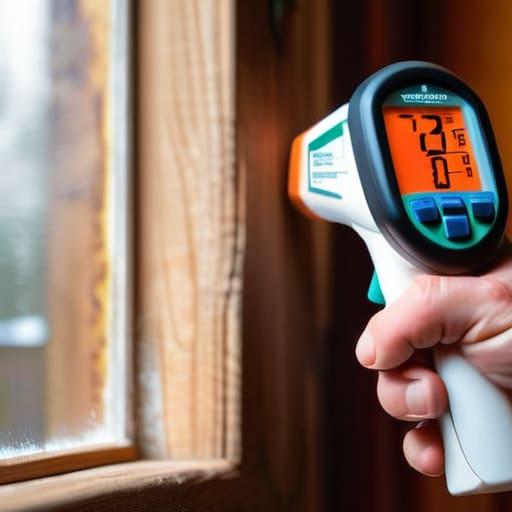
Most people assume they need to swap out their old windows for expensive double glazing to feel a difference, but that’s a massive financial leap that isn’t always necessary. If you’re dealing with drafts, start with the basics of preventing cold air infiltration by looking at the seals. I usually grab my infrared thermometer during audits to show clients exactly where the air is moving, and more often than not, it’s just a matter of caulking window frames that have cracked over time. It’s a cheap, DIY fix that stops the most obvious leaks before they hit your wallet.
If the seals are tight but the glass itself feels like an ice cube, you should look into window film installation benefits. It’s a thin, clear layer you apply directly to the pane that creates an extra insulating barrier. It’s one of those low-cost wins for reducing heating bills in winter without needing a contractor. It’s not a permanent architectural upgrade, but for a renter or someone on a budget, it’s a practical way to trap heat where it actually belongs.
Caulking Window Frames to Stop Wasting Energy
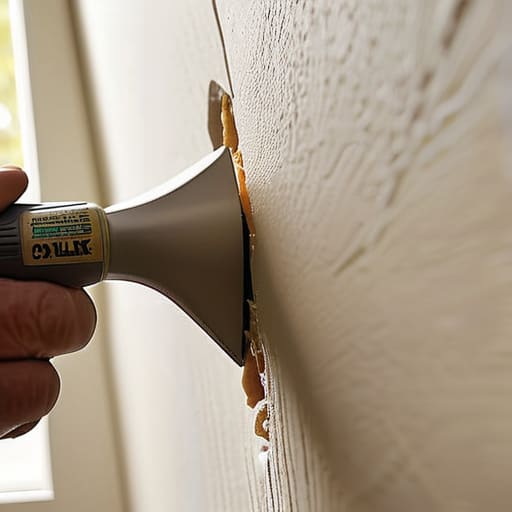
If you’ve ever felt a weird, sharp draft cutting through a room even when the windows are shut tight, you’re likely dealing with gaps in your frames. I’ve used my infrared thermometer on countless audits only to find that the biggest heat thieves aren’t the glass itself, but the tiny cracks where the frame meets the wall. Caulking window frames is one of the most underrated ways to tackle this. It’s a cheap, DIY-friendly fix that acts like a seal, effectively preventing cold air infiltration before it even enters your living space.
Don’t get me wrong—I’m a big fan of high-tech solutions, but sometimes the most practical move is the simplest one. You don’t need to jump straight into a massive project like upgrading from single glazing to double glazing to see a difference. By simply applying a fresh bead of silicone or acrylic caulk around those leaky edges, you are actively reducing heating bills in winter by keeping the warmth where it belongs: inside. It’s a small, data-backed win for your wallet and your comfort.
Five Quick Wins to Keep the Heat Inside
- Grab some heavy, thermal-lined curtains. I’ve seen this firsthand during my audits—if you close thick curtains as soon as the sun goes down, you’re creating a much-needed buffer zone between the cold glass and your living space.
- Use window film kits for those drafty single-pane windows. It’s a cheap, plastic shrink-wrap method that creates an extra layer of dead air; it’s not a permanent fix, but it works wonders for a fraction of the cost of a new window.
- Check your weatherstripping. If you see light peeking through the edges of your window frames when they’re closed, your seals are shot. Replacing old, brittle foam or rubber strips is a quick weekend job that pays for itself in energy savings.
- Don’t forget the “blind spot”—the gaps between your blinds and the window. If you use hard blinds, try adding a bit of adhesive foam to the edges to prevent air from swirling behind them and cooling your room down.
- Utilize your sunlight strategically. During the day, keep the curtains wide open to let the sun do the heavy lifting for you, but the second the temperature drops, shut them tight to lock that thermal gain inside.
The Bottom Line on Window Efficiency
You don’t need a full window replacement to see a difference; sealing gaps with caulk or weatherstripping is the fastest way to stop heat from escaping.
Prioritize low-cost DIY fixes like thermal curtains or window film to create an extra barrier against the cold without a massive upfront investment.
Think of insulation as a long-term saving strategy—the small amount you spend on sealing leaks today will pay for itself in lower utility bills by next season.
The Real Cost of a Drafty Window
“I’ve spent enough time pointing my infrared thermometer at drafty window frames to know that a gap isn’t just a nuisance—it’s a literal hole in your monthly budget. You don’t need a complete renovation to fix it; you just need to stop letting your hard-earned money leak out into the street.”
Tobias Nkemdirim
The Bottom Line
At the end of the day, sealing your windows doesn’t require a massive renovation or a professional contractor. Whether you’re applying a fresh bead of caulk to a drafty frame or using simple plastic film to create an extra thermal barrier, you are directly tackling the most common way heat escapes a home. I’ve seen it myself with my infrared thermometer—the difference between a leaky, drafty window and a well-sealed one is night and day. By focusing on these low-cost, high-impact fixes, you aren’t just saving a few bucks on your next utility bill; you’re fundamentally changing how your home manages temperature. It’s about being intentional with your energy rather than just letting it bleed out into the street.
I know it can feel overwhelming to think about “going green” or making your home sustainable, but please don’t let the scale of the climate crisis paralyze you. Real change happens in the small, practical increments we make in our own living rooms and bedrooms. You don’t need a massive budget to live a more efficient life; you just need to stop accepting inefficiency as the status quo. Every draft you plug and every degree of heat you retain is a win for your wallet and a win for the planet. Let’s stop wasting energy just because it’s convenient and start building homes that actually work for us.
Frequently Asked Questions
Will using window insulation film mess up the finish on my wooden window frames?
It depends on how you apply it. If you use the standard double-sided tape that comes in most kits, it can definitely leave a sticky, stubborn residue or even lift the varnish if the wood is old or poorly finished. To play it safe, I usually recommend applying the film directly to the window sash or the trim rather than the frame itself. If you’re worried about the finish, stick to a high-quality, low-tack adhesive.
How often do I actually need to replace weatherstripping or sealant before it stops working?
Honestly, there isn’t a fixed calendar date, but you shouldn’t wait for it to crumble before acting. I usually tell my clients to do a visual check every autumn. If the weatherstripping feels brittle, looks cracked, or doesn’t spring back when you press it, it’s dead. If you feel a draft or see light through the gaps, it’s already failing. Replacing it every 3 to 5 years is a safe bet for most homes.
Is it better to focus on sealing the gaps around the frame or adding heavy curtains to block the cold?
It’s not an either/or situation; they actually work better as a team. Sealing the gaps around the frame stops the draft at the source, which is the most efficient way to keep heat in. Think of curtains as your second line of defense. They add an extra layer of thermal mass to block radiant heat loss. If you can only afford one, seal the gaps first—it’s a more permanent, data-backed fix for your bills.
