I still remember standing in my old rental apartment, shivering in a drafty kitchen while staring at a utility bill that made absolutely no sense. I was heating water to a temperature that felt like it could scald skin, all because I thought “hotter is better.” It’s a massive, expensive myth that we need high-tech, smart-home gadgets to fix our efficiency issues. The truth is, most people are just throwing money down the drain through sheer negligence and outdated settings. Lowering water heating costs isn’t about buying a solar-powered boiler or a fancy new system; it’s about identifying the silent energy leaks in your current setup that you’re likely ignoring right now.
I’m not here to sell you on expensive renovations or complicated tech that requires a PhD to operate. My goal is to give you the straight talk based on the data I see during my audits and the practical fixes I use in my own life. I’m going to show you how to audit your own water usage and make a few low-effort, high-impact adjustments that actually move the needle on your monthly bill. Let’s stop paying for heat we don’t even need.
Table of Contents
The Hidden Savings of Setting Optimal Water Temperature
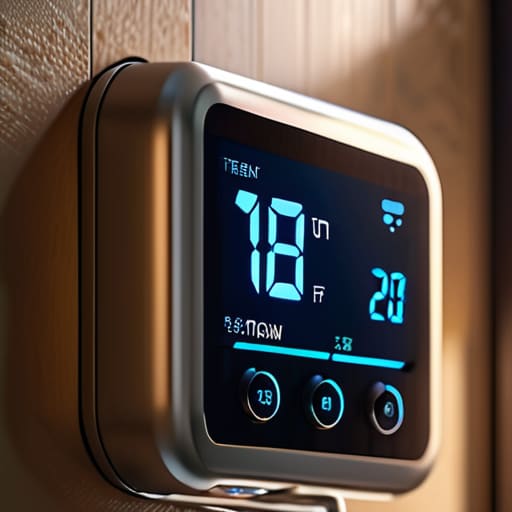
Most people leave their water heater set to a default temperature that is way higher than necessary. I often see tanks cranked up to 140°F (60°C), which is basically just a recipe for scalding skin and massive energy waste. By setting optimal water temperature to around 120°F (49°C), you’re not just making your showers safer; you’re preventing the heating element from working overtime just to maintain a level of heat you don’t even need.
It’s a small adjustment, but the data doesn’t lie. When you lower that setting, you reduce the frequency of the heating cycles, which directly impacts your monthly utility bill. Think of it like leaving your car engine idling at a red light—it’s just burning fuel for no reason. If you want to dive deeper into energy efficient water heating solutions, this is the absolute easiest starting point. It requires zero upfront investment and takes about thirty seconds to do, yet it’s one of the most effective ways to stop bleeding money through your pipes.
Insulating Water Heater Tank to Stop Wasting Heat
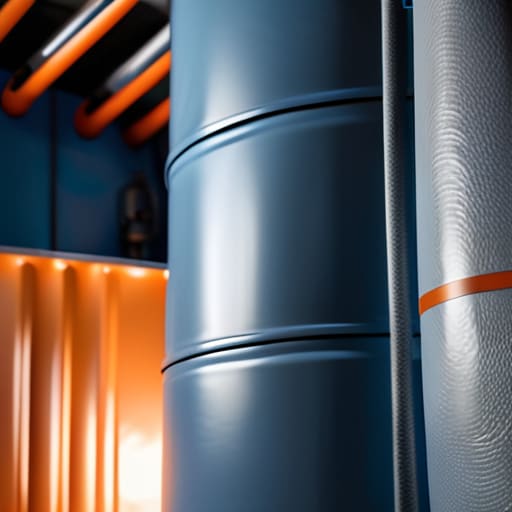
If you haven’t touched your water heater in years, it’s likely sitting there losing heat to the surrounding air every single second. I see this constantly during my audits: a perfectly functional unit that’s essentially acting like a giant, expensive radiator for no reason. Insulating your water heater tank is one of those low-effort, high-reward moves that actually makes sense for your wallet. If you have an older model that feels warm to the touch, you’re literally watching money evaporate into the room.
Grab a pre-cut insulation blanket—they’re cheap and easy to wrap around the unit—and you’ll create a thermal barrier that keeps that hard-earned heat where it belongs. It’s not just about the tank, though; I always tell my clients to check the pipes leading out of it, too. While some people jump straight to expensive upgrades like looking into tankless water heater benefits, a simple insulation kit is a much more accessible way to start reducing household hot water consumption and energy waste. It’s practical, it’s fast, and it stops the constant cycle of your heater working overtime just to fight ambient temperature loss.
5 Quick Wins to Stop Bleeding Money on Hot Water
- Check your faucets for leaks. I’ve seen way too many people paying to heat water that’s literally just trickling down the drain because of a worn-out washer. It’s a small fix, but those drips add up to a lot of wasted thermal energy.
- Switch to low-flow showerheads. You don’t need to sacrifice your comfort; modern low-flow heads feel great, but they use significantly less water. Less water means your heater doesn’t have to work nearly as hard to keep up.
- Only run the dishwasher and washing machine when they’re actually full. It sounds obvious, but I see people running half-empty loads all the time. If you’re using the “eco” setting and cold water for laundry, you’re saving a massive amount of energy on the heating side.
- Install aerators on your kitchen and bathroom taps. These little gadgets mix air into the water stream, giving you the same pressure while using much less volume. It’s a cheap, five-minute DIY job that makes a measurable difference in your daily usage.
- Time your heavy water usage. If you have a tank-style heater, try to avoid running multiple high-draw appliances (like the dishwasher and the shower) at the exact same time. Spreading out your usage helps prevent the heater from constantly cycling on and off to keep up with demand.
Quick Wins for Your Water Bill
Dial back your water heater temperature to around 120°F (49°C); it’s plenty hot for most tasks and stops you from paying to heat water you don’t even need.
Wrap your tank in an insulation blanket to keep the heat where it belongs—inside the tank—instead of letting it bleed into your utility room.
Focus on small, low-cost adjustments rather than expensive overhauls to see a real difference in your monthly energy spend.
## The Cost of Convenience
“We’ve been conditioned to think that scalding hot water is the standard, but most of us are just paying a premium to heat water we never actually use. Efficiency isn’t about sacrifice; it’s about stopping the bleed of money through pipes we haven’t even bothered to check.”
Tobias Nkemdirim
Making It Count
At the end of the day, slashing your water heating costs isn’t about a single, massive renovation; it’s about the cumulative effect of these small, logical adjustments. By dialing back your water heater temperature to a sensible level and wrapping your tank in a bit of insulation, you’re effectively plugging the leaks in your wallet. I’ve seen it firsthand during my audits—people are often surprised by how much energy they were bleeding out simply because they were following outdated habits or ignoring a poorly insulated tank. These steps are low-effort but high-reward, ensuring that you aren’t paying for heat that just disappears into the air before it ever reaches your shower.
I know that living sustainably can sometimes feel like an expensive luxury reserved for people with huge budgets and solar arrays, but that’s just not true. Real efficiency starts with the decisions you make in your own utility closet. Every degree you shave off and every inch of insulation you add is a win for your bank account and a step toward a smaller footprint. You don’t need to be a professional auditor to take control of your home’s energy use; you just need to be observant. Let’s stop letting our hard-earned money evaporate through inefficient systems and start making our homes work for us.
Frequently Asked Questions
Is it actually safe to turn my water heater down to 120°F, or am I risking bacteria like Legionella?
Look, I get the anxiety. I’ve stood in front of plenty of tanks with my thermometer, wondering the same thing. Here’s the data: 120°F (49°C) is the sweet spot for most homes. It’s hot enough to kill bacteria if your tank is well-maintained, but low enough to stop wasting energy. If you’re worried about Legionella, just make sure your system is clean and avoid letting water sit stagnant in unused pipes. Safety and efficiency can coexist.
How much can I really expect to save on my monthly bill just by adding an insulation blanket to an older tank?
Honestly, it depends on how old your tank is, but if you’re dealing with an uninsulated model, you’re basically paying to heat the air around the tank. I’ve seen people shave about 7% to 15% off their water heating costs just by slapping on a thermal blanket. It’s not going to make you rich, but for a few bucks upfront, it’s one of those low-effort wins that actually shows up on your utility statement.
If I have a tankless water heater, do these same insulation and temperature tricks still apply?
Short answer: mostly no. Since there’s no massive tank sitting there losing heat to the room, insulating a “tank” isn’t an option. However, the temperature logic still holds—don’t set it higher than you actually need. For tankless units, focus your energy on the pipes instead. If those hot water lines aren’t insulated, you’re basically paying to heat your walls before the water even reaches your tap. Check those connections.
