I still remember sitting in my old rental apartment, shivering under three layers of blankets while staring at a utility bill that made absolutely no sense. It felt like I was paying a premium just to stay cold, and the “advice” I found online was always the same: spend thousands on a new boiler or high-end insulation. That’s a total myth. You don’t need a massive renovation budget to start reducing gas consumption; most of the time, you’re just leaking money through gaps you haven’t even noticed yet. I’ve spent enough time with my infrared thermometer to know that the real culprits aren’t always the big-ticket items, but the tiny, overlooked leaks that drain your wallet every single month.
I’m not here to sell you on expensive smart-home gadgets that do half the job. Instead, I’m going to give you the practical, data-driven tweaks I use in my own audits to stop wasting energy just because it’s convenient. We’re going to focus on low-cost, high-impact shifts that actually move the needle on your bills. My goal is simple: to show you how to take control of your home’s efficiency without needing a degree in engineering or a huge bank account.
Table of Contents
Optimizing Boiler Performance Without Breaking the Bank
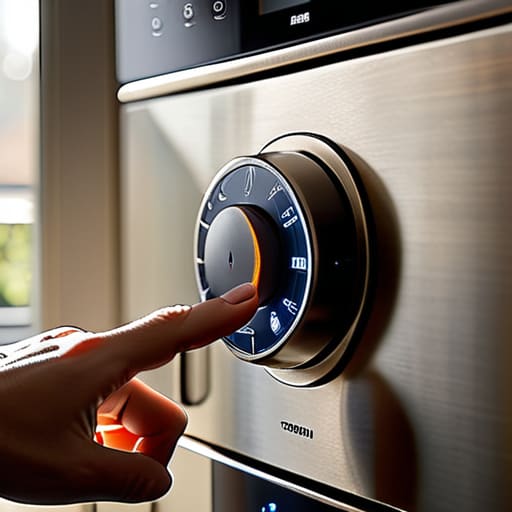
Most people treat their boiler like a “set it and forget it” appliance, but that’s exactly where the money leaks out. If you haven’t looked at your settings in a year, you’re likely overworking the system. One of the easiest ways to start optimizing boiler performance is to check your flow temperature. Most modern boilers come set way too high from the factory. By turning that dial down slightly, you allow the heat to transfer more effectively to your radiators, which is a massive step toward lowering utility bills without actually feeling any colder.
I also can’t stress enough how much a simple service matters. It’s easy to ignore that annual maintenance check, but a dirty heat exchanger or a buildup of sludge in the pipes forces your boiler to work twice as hard to achieve the same result. It’s inefficient and, frankly, a waste of money. If you pair a well-maintained unit with a few basic home insulation improvements, like sealing drafty window frames, you’ll find that your boiler doesn’t need to kick in nearly as often to maintain a comfortable temperature.
Simple Home Insulation Improvements for Instant Savings

If you want to see immediate results, you have to stop letting your hard-earned money leak through your walls and windows. During my recent audits, I’ve noticed that most people aren’t actually losing heat because of their boiler; they’re losing it because their home is essentially a sieve. I always bring my infrared thermometer to these jobs, and it’s wild to see how much heat escapes from a single poorly sealed window frame. Start with the basics: use draft excluders on doors and apply weather stripping to window gaps. These are tiny, cheap fixes, but they are massive steps toward lowering utility bills without needing a full-scale renovation.
Beyond the obvious gaps, don’t overlook your loft. If your insulation is thin or uneven, you’re essentially heating the sky. Adding a bit more mineral wool is one of the most effective home insulation improvements you can make for a relatively low upfront cost. It’s about creating a thermal envelope that actually holds onto the warmth you’re paying for. It isn’t about being perfect; it’s just about being smarter with the energy you already have.
Small Tweaks to Stop Your Heat from Escaping
- Check your radiator temperature; if you’re running them at max heat just to feel warm, you’re likely just heating the air too fast and losing it to the walls. Lowering the flow temperature on your boiler can make a massive difference in how much gas you burn to maintain a steady warmth.
- Get some radiator reflective foil behind your units. It sounds like a basic DIY hack, but if you have external walls, a lot of that heat is just soaking straight into the brickwork instead of staying in your living room.
- Stop the drafts around your windows and doors. I always carry my infrared thermometer to these jobs, and I can’t tell you how many people are shocked to see how much heat is literally leaking through a tiny gap in a window frame. A bit of weatherstripping is cheap and pays for itself in weeks.
- Use your curtains strategically. Close them the second the sun goes down to create an extra layer of insulation, and make sure they aren’t covering the radiators, or you’re basically paying to heat the fabric instead of the room.
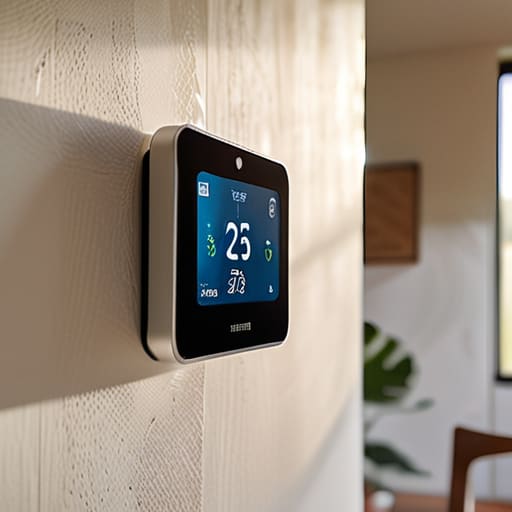
- Learn your thermostat’s schedule. If you’re heating the house while you’re at work or asleep, you’re essentially throwing money out the window. Set it to drop a few degrees when you aren’t there; it’s a small habit that keeps your gas usage from spiking unnecessarily.
The Bottom Line on Cutting Your Gas Use
Focus on the “low-hanging fruit” first—things like bleeding your radiators or adjusting your thermostat by just a degree can save more than you’d think without needing a massive renovation.
Stop treating your boiler like a set-and-forget machine; keeping it serviced and tuned ensures you aren’t literally burning money through inefficiency.
Real sustainability isn’t about buying expensive solar panels; it’s about sealing the leaks in your current setup so the heat you actually pay for stays where it belongs.
## The Real Cost of Convenience
“We’ve been conditioned to think that keeping a house warm means running the gas at full blast, but that’s just expensive, wasteful habit. Real efficiency isn’t about living in the cold; it’s about making sure every single unit of gas you pay for actually stays inside your four walls instead of leaking out through a gap in the window or a poorly tuned boiler.”
Tobias Nkemdirim
The Bottom Line

At the end of the day, cutting down your gas usage isn’t about making huge, expensive renovations that require a second mortgage. It’s about the cumulative effect of the small stuff: making sure your boiler is actually working for you rather than against you, and sealing up those drafts that turn your living room into a wind tunnel. I’ve seen firsthand through my audits how much energy leaks out through neglected gaps and inefficient settings. By focusing on optimizing what you already have and tackling simple insulation fixes, you’re effectively plugging the holes in your wallet. It’s about being intentional with your energy rather than just letting it vanish into thin air.
I know it can feel overwhelming when you look at your utility bills, but don’t let the scale of the climate crisis or the complexity of home maintenance paralyze you. You don’t need to be an engineer to make a difference; you just need to be observant. Every degree you shave off your thermostat and every draft you block is a win for both your bank account and the planet. We have to stop treating energy waste as an inevitable part of modern life. Start small, stay consistent, and remember that sustainable living is a series of smart choices, not a luxury reserved for the wealthy.
Frequently Asked Questions
Is it actually worth investing in a smart thermostat, or am I better off just manually adjusting the dials?
Honestly, if you’re the type of person who actually remembers to turn the heat down before bed, manual dials work fine. But for most people, a smart thermostat is worth the investment. I’ve audited enough homes to know that “human error”—forgetting the heating is on while you’re out—is a massive energy leak. It automates the discipline you might lack, cutting wasted gas without you having to think about it.
How can I tell if my gas leaks are coming from the appliances themselves or just poor insulation in the house?
If you’re feeling a chill, grab my infrared thermometer. Point it at your walls and windows first; if those spots are significantly colder than the rest of the room, it’s an insulation issue. But if you notice a weird smell, a clicking sound from the boiler, or if the appliance itself feels unusually hot or stays running way longer than it should to hit a temperature, that’s a red flag for the unit itself.
Are there any specific habits I can change right now that won't make my house feel uncomfortably cold?
It’s a common fear—that saving money means living in a freezer. You don’t have to sacrifice comfort. Start by mastering your thermostat; even dropping it by one degree makes a measurable difference in your bill without you really noticing. Also, stop heating rooms you aren’t using. If you’re working in the study, close the door to the lounge. It’s about directing the warmth where you actually are, rather than heating empty space.
