Author: Tobias Nkemdirim

  • Managing Outdoor Water Usage With Smart Controllers

    Managing Outdoor Water Usage With Smart Controllers

    I was walking through a client’s backyard last Tuesday when I noticed something that made me reach for my infrared thermometer out of habit: the soil was practically a swamp, yet the lawn looked parched. I checked the timer, and sure enough, the old-school system was blasting water in the middle of a downpour. It’s a classic, expensive mistake, and honestly, it’s why so many people are skeptical of the “tech” side of gardening. They think smart irrigation controllers are just another overpriced gadget designed to make your life more complicated, but that’s a total myth. You don’t need a PhD in coding or a massive budget to stop wasting water; you just need a system that actually thinks for once.

    I’m not here to sell you on some flashy, high-tech lifestyle that drains your bank account. My goal is to show you how to use smart irrigation controllers to cut your water waste and stop overpaying for a utility you don’t even need to use that much. I’ll be giving you the straight, data-driven truth on which setups actually work for real homes, without all the marketing fluff.

    Table of Contents

    Stop Overpaying for Water With Automated Watering Schedules

    Stop Overpaying for Water With Automated Watering Schedules

    I remember checking my utility bill last summer and seeing a spike in water costs that felt almost personal. It wasn’t because I was watering more; it was because I was watering wrong. Most of us default to a timer that runs at the same time every day, regardless of whether it rained two hours ago or if the sun is beating down at noon. That’s just throwing money down the drain. By switching to automated watering schedules, you stop treating your garden like a chore and start treating it like a managed system.

    The real magic happens when you move beyond basic timers and look into weather-based irrigation systems. These devices actually look at local forecasts and adjust your run times accordingly. If a storm is rolling in, the system skips the cycle. It’s a simple way to integrate smart garden automation into your routine without needing a degree in horticulture. You aren’t just saving a few gallons; you’re ensuring that every drop you pay for is actually doing its job instead of just evaporating off the pavement.

    How Water Conservation Technology Protects Your Wallet

    How Water Conservation Technology Protects Your Wallet

    When I’m auditing a property, I usually look at insulation or HVAC first, but the water bill is often where people are bleeding money without even realizing it. Traditional timers are “dumb”—they run on a set clock regardless of whether it’s been pouring rain for three days straight. That’s essentially throwing money down the drain. By switching to weather-based irrigation systems, you’re finally letting real-time data dictate your usage. These systems pull local weather data to skip cycles when the ground is already saturated, ensuring you only pay for the water your plants actually need.

    It’s not just about the big picture, though; it’s about the precision of soil moisture monitoring. Instead of guessing if your flower beds are parched, these sensors tell you exactly how much hydration is left in the dirt. This level of smart garden automation removes the human error of overwatering, which is one of the most common ways homeowners inflate their monthly utility costs. If you want to stop the leak in your finances, you have to stop treating water like an infinite resource.

    5 Ways to Stop Wasting Water and Start Saving

    • Connect your controller to a local weather feed. There is zero point in running a cycle if it rained two hours ago; a smart system knows this and skips the soak automatically.
    • Zone your garden by need. Don’t spray your thirsty shrubs with the same amount of water you give your drought-tolerant succulents; it’s an inefficient use of resources and a waste of money.
    • Check your hardware for leaks regularly. Even the smartest controller can’t fix a cracked pipe or a stuck valve, so keep an eye out for those damp patches that shouldn’t be there.
    • Use soil moisture sensors to get real data. Instead of guessing if the ground is dry, let a sensor tell the controller exactly when the roots actually need a drink.
    • Set a “drip-only” schedule for heatwaves. During peak summer, use targeted drip irrigation rather than overhead sprinklers to minimize evaporation loss and keep the water where it actually matters.

    The Bottom Line on Smart Irrigation

    You don’t need a high-tech overhaul to see results; switching to a smart controller is a practical way to stop wasting water and start seeing lower utility bills immediately.

    Automation isn’t just about convenience; it’s about using data to ensure you’re only watering when your soil actually needs it, preventing expensive runoff.

    Investing in smart irrigation is a small, smart change that balances a lower carbon footprint with a much more manageable monthly budget.

    Efficiency Beyond the Walls

    “We spend so much time obsessing over the insulation in our living rooms, but we completely ignore the massive amount of energy and money leaking out through our garden hoses. A smart controller isn’t just a gadget; it’s about stopping the mindless waste of a resource we can’t afford to lose.”

    Tobias Nkemdirim

    The Bottom Line on Smart Watering

    The Bottom Line on Smart Watering.

    At the end of the day, switching to a smart irrigation controller isn’t just about buying a new gadget; it’s about ending the era of mindless waste. We’ve looked at how automated schedules prevent overwatering and how these systems act as a buffer for your bank account by slashing monthly utility bills. Whether it’s adjusting for a sudden rainstorm or preventing evaporation during a heatwave, the data shows that precision beats guesswork every single time. You don’t need to overhaul your entire yard to see a difference; you just need to stop letting your money run down the drain through outdated, timer-based systems that don’t account for the actual weather.

    I know that sometimes making “sustainable” changes feels like a luxury reserved for people with massive budgets and endless free time. But my experience auditing homes has taught me that true efficiency is found in these small, intentional shifts. Investing in a smart controller is a practical, low-effort way to align your lifestyle with your values without breaking the bank. It’s about taking control of your resources rather than letting them control you. Let’s stop wasting energy and water just because it’s the easy way out—small, smart changes are how we actually build a future that makes sense for everyone.

    Frequently Asked Questions

    Will a smart controller actually work with my existing sprinkler system, or do I need to rip everything out and start over?

    The short answer is: no, you don’t need to rip everything out. I see this concern a lot during audits. Most smart controllers are designed to be “plug-and-play” with your existing wiring and sprinkler heads. You’re essentially just replacing the “brain” of the system, not the hardware in the ground. As long as your current setup uses standard valves, a new controller should slot right in and start saving you money immediately.

    Is the initial cost of a smart controller worth it if I'm already fairly careful about when I turn the water on?

    Look, I get it. If you’re already disciplined about manual watering, the upfront cost feels like a hurdle. But here’s the thing: human error is a heat leak for your wallet. Even the most careful person forgets a rainy day or a sudden heatwave. A smart controller reacts to real-time weather data in ways we can’t. It’s not just about being “careful”; it’s about precision. For me, that automation is the ultimate way to stop wasting resources.

    How much maintenance do these devices actually need—are they going to be another piece of tech I have to constantly troubleshoot?

    Honestly, I get the hesitation. The last thing you need is more “smart” tech that breaks and adds to your mental load. The good news? Once a controller is set up, it’s mostly low-maintenance. You might need to clear some debris from the sensors or check your Wi-Fi connection occasionally, but it’s not like restoring vintage gear. It’s a “set it and forget it” tool designed to work in the background, not demand your constant attention.

  • How to Identify and Fix Thermal Bridging

    How to Identify and Fix Thermal Bridging

    I still remember sitting in my old rental apartment three years ago, wrapped in two blankets and watching my breath mist in the living room, even though the heater was cranked to the max. I’d pull out my infrared thermometer, and the reading would tell the whole story: these massive, invisible cold spots bleeding heat straight through the wall studs. Most people think you need to gut your entire house or spend a fortune on high-end construction to fix this, but that’s a total myth. You don’t need a massive renovation budget to tackle thermal bridging solutions; you just need to understand where the heat is actually escaping.

    In this guide, I’m cutting through the architectural jargon to give you the real-world tactics I use during my energy audits. I’m not here to sell you on expensive, unnecessary upgrades that only contractors love. Instead, I’ll show you how to identify these thermal leaks and apply practical, low-cost thermal bridging solutions that actually work. My goal is to help you stop paying for heat that just vanishes into thin air, ensuring your home stays efficient and affordable without breaking the bank.

    Table of Contents

    Smart Continuous Insulation Methods to Lower Your Monthly Bills

    Smart Continuous Insulation Methods to Lower Your Monthly Bills

    When I’m out on an audit, the biggest culprit I see isn’t usually a lack of insulation, but rather the gaps where it stops. If your insulation is just tucked into the cavities of your walls, you’re still losing heat through the studs themselves. This is where continuous insulation methods become a game-changer. By adding a layer of rigid foam or mineral wool boards directly to the exterior of your sheathing, you essentially wrap the house in a thermal blanket. This breaks the path that heat tries to take through the structural members, which is one of the most effective thermal bridge mitigation techniques available for anyone serious about their energy bills.

    It’s not just about the warmth, though; it’s about the physics of moisture. When a structural element stays significantly colder than the air inside your home, you run a high risk of preventing condensation through thermal bridges by ensuring those cold spots don’t exist in the first place. If you can stabilize the temperature of your building envelope, you stop the cycle of dampness and mold that often follows a drafty winter. It’s a smarter way to approach energy efficient building design without needing to tear your house down to the studs.

    Protecting Building Envelope Integrity Without Breaking the Bank

    Protecting Building Envelope Integrity Without Breaking the Bank

    When I’m out on an audit, I often see people focus so much on thick insulation that they completely overlook the gaps where the real damage happens. Maintaining your building envelope integrity isn’t just about adding more material; it’s about ensuring there are no “weak links” in your home’s defense. If your exterior walls are solid but your window frames or floor joists are acting like heat highways, you’re essentially trying to fill a bucket with a hole in the bottom.

    One of the biggest headaches I encounter is moisture. If you don’t address these temperature gaps, you’re looking at a serious risk of preventing condensation through thermal bridges becomes an uphill battle. When warm, moist indoor air hits a freezing cold spot on a structural element, you get mold. It’s a messy, expensive problem that most people don’t realize is caused by a simple lack of continuity. You can protect your home by focusing on these junctions—sealing the gaps around penetrations and ensuring your insulation layers actually meet—without needing to tear down your walls.

    5 Quick Wins to Cut Down on Heat Leaks

    • Seal your electrical outlets. Most people forget that the gaps around your socket plates are literal highways for cold air to travel from your walls into your living space. I always carry my thermometer to find these; a simple foam gasket behind the plate makes a massive difference.
    • Don’t ignore the window frames. Even if you have double glazing, the point where the frame meets the wall is a prime spot for thermal bridging. Using a high-quality, flexible sealant around those edges can stop that annoying draft without needing to replace the whole window.
    • Mind the floor-to-wall junction. This is where a lot of heat just vanishes. If you’re on a budget, adding a thick, insulated rug over areas where the floor meets the exterior wall can act as a decent temporary buffer to keep the warmth from escaping through the structure.
    • Address your balcony connections. If you have a concrete balcony attached to your building, it’s basically acting like a giant radiator in reverse, pulling heat out of your room. While a full structural fix is expensive, ensuring your interior walls near the balcony are well-insulated can help mitigate the chill.
    • Check your door sweeps. A door that doesn’t sit flush against the threshold is a major thermal bridge. Installing a heavy-duty sweep or even a simple weighted draft excluder is a low-cost, high-impact way to keep the conditioned air inside where it belongs.

    The Bottom Line: Small Fixes, Big Savings

    You don’t need a massive renovation budget to fight thermal bridging; focus on sealing the gaps in your building envelope first to see the fastest return on your investment.

    Prioritize continuous insulation over just adding more bulk; it’s about creating an unbroken barrier that prevents heat from finding a shortcut through your walls.

    Think of energy efficiency as a long game—addressing these small leaks now stops the slow drain on your bank account and reduces your carbon footprint every single month.

    ## The Hidden Leak in Your Wallet

    “Thermal bridging is basically like leaving a window cracked open in the middle of winter; you can crank up the heat all you want, but you’re just paying to heat the neighborhood through those invisible gaps in your walls.”

    Tobias Nkemdirim

    Cutting the Leaks for Good

    Cutting the Leaks for Good via insulation.

    At the end of the day, fixing thermal bridges isn’t about performing a complete structural overhaul or buying the most expensive insulation on the market. It’s about being observant. Whether you’re focusing on continuous insulation to smooth out those temperature gaps or simply taking steps to protect your building envelope from the elements, the goal is the same: stop the bleed. By targeting those specific points where heat escapes, you aren’t just making your home more comfortable; you are actively plugging the holes in your wallet. Every small tweak to your home’s thermal integrity pays dividends in lower utility bills and a much more stable indoor climate.

    I know that looking at a list of energy inefficiencies can feel overwhelming, especially when you’re working with a tight budget. But remember, sustainability shouldn’t be a luxury reserved for people with massive renovation funds. You don’t have to fix everything overnight to see a difference. Start with the low-hanging fruit, use the data to guide your next move, and keep an eye on those heat leaks. If we all take these small, intentional steps to stop wasting energy just because it’s convenient, we can collectively build homes that are both affordable and planet-friendly. Let’s get to work.

    Frequently Asked Questions

    I'm renting an apartment and can't tear into the walls; are there any ways to mitigate thermal bridging without making permanent structural changes?

    I get it—as a renter, you’re stuck with the walls you’ve got. Since you can’t rip into the drywall, focus on “surface-level” fixes. I always suggest heavy, thermal-lined curtains to block drafts from window frames, or even temporary foam insulation boards tucked behind furniture against cold exterior walls. It’s not a permanent structural fix, but it breaks that direct heat path and stops your money from literally leaking through the masonry.

    How much of an actual impact will fixing these bridges have on my monthly utility bills compared to just upgrading my thermostat?

    Look, a smart thermostat is a great tool for managing when you use energy, but it can’t stop energy from escaping. If you have thermal bridges, you’re basically heating the outdoors. It’s like trying to cool a room with the window cracked open—no matter how high-tech your thermostat is, the heat is still leaking out. Fixing those bridges provides a permanent reduction in heat loss, which usually yields much bigger, more consistent savings.

    If I'm looking at DIY insulation, how do I identify where the most critical thermal bridges are located in my specific home layout?

    Grab your infrared thermometer—it’s the best tool for this. On a cold day, run it along your walls, especially where the ceiling meets the wall or around window frames. You’re looking for “cold spots” where the temperature drops sharply; those are your bridges. Don’t forget to check corners, floor joists, and where plumbing penetrates walls. If a spot feels significantly colder than the rest of the surface, that’s where your money is leaking out.

  • Understanding Solar Panel Warranty Terms

    Understanding Solar Panel Warranty Terms

    I was auditing a client’s small cottage last month when I saw it: a beautiful, high-end solar array that was effectively dead in the water because of a single cracked cell. When they called the manufacturer, they were met with a mountain of fine print that basically turned their solar panel warranty into a useless piece of paper. It’s infuriating. We’re told that going solar is this ultimate path to energy independence, but too many companies hide behind predatory legal jargon that leaves you footing the bill for their faulty hardware.

    I’m not here to sell you on the “dream” of endless free energy; I’m here to make sure you don’t get ripped off while trying to build it. In this guide, I’m stripping away the marketing fluff to show you exactly what a real, functional warranty looks like. We’ll look at the math behind the coverage and identify the red flags that mean a company is just protecting their bottom line instead of yours. My goal is simple: to help you choose gear that actually keeps your bills low for the long haul.

    Table of Contents

    Decoding the Fine Print Product vs Performance Warranty Explained

    Decoding the Fine Print Product vs Performance Warranty Explained

    Here is where most people get tripped up. When you’re looking at a quote, you’ll see two very different numbers, and if you don’t distinguish between them, you might end up with a system that technically “works” but performs like a relic. First, you have the product warranty, which is basically your safety net against manufacturing defects. If a panel arrives with a cracked cell or a faulty internal connection, this is what covers the cost of the hardware itself. It’s about the physical integrity of the unit.

    The second part is the performance warranty, which is arguably more important for your long-term wallet. This isn’t about whether the panel is broken; it’s about how much juice it actually produces over time. All panels experience solar panel degradation rates—they naturally lose a tiny bit of efficiency every year. A good performance guarantee ensures that even after twenty years, your system is still pumping out a significant percentage of its original capacity. Understanding solar warranty fine print means realizing that a high product warranty is useless if the performance guarantee allows your energy output to tank after just a decade.

    Stopping the Leak Why Solar Installation Workmanship Warranty Matters

    Stopping the Leak Why Solar Installation Workmanship Warranty Matters

    Most people get so caught up in the specs of the panels themselves that they completely overlook the actual humans doing the mounting. You can buy the highest-rated hardware on the market, but if the installer leaves a gap in your flashing or fails to secure a mounting bracket properly, that expensive gear becomes a liability. A solar installation workmanship warranty is your only safety net against human error. It’s the difference between a system that sits tight for twenty years and one that starts leaking water into your attic after the first heavy storm.

    I’ve seen too many homeowners realize this only after they’re staring at a water stain on their ceiling. While you’re busy understanding solar warranty fine print regarding how much power the cells will produce, don’t forget to check who is on the hook if the roof penetrations fail. A solid workmanship guarantee ensures that if the installation itself is flawed, the contractor—not your bank account—is responsible for the fix. It’s about protecting the integrity of your home, not just the efficiency of your energy production.

    Don't Get Burned: 5 Ways to Make Sure Your Warranty Actually Works

    • Check the “pro-rata” clause. Some companies promise a 25-year warranty, but that doesn’t mean you get a brand-new panel if yours dies in year 10; it often means they only pay you a tiny fraction of the original cost.
    • Look for a “labor warranty” that isn’t just a footnote. A panel warranty covers the hardware, but if a faulty connection causes a leak or a roof issue, you don’t want to be stuck paying a contractor hundreds just to swap the part out.
    • Verify the manufacturer’s reputation, not just the installer’s. If your local installer goes out of business in three years, you need to know that the panel manufacturer still stands behind their tech so you aren’t left with expensive glass bricks on your roof.
    • Read the “void” conditions like they’re a contract for your life. Some warranties are incredibly picky—if you have a specific type of mounting system or if a certain amount of hail hits, they might try to claim the warranty is void. Know those triggers before you sign.
    • Keep a digital folder of every single document. I’ve seen people lose thousands because they couldn’t find the specific serial number or the original installation date when they filed a claim. Don’t rely on the installer to keep your records safe.

    The Bottom Line: Don't Get Burned by the Fine Print

    Separate the gear from the work; a great panel warranty won’t save you if the installer’s workmanship warranty is non-existent.

    Look past the “25-year” headline and check the actual performance math to ensure your savings don’t evaporate as the panels age.

    Treat your warranty like an insurance policy—read the exclusion clauses now so you aren’t left footing the bill for a repair later.

    ## Don't Let the Fine Print Burn Your Budget

    “A solar warranty isn’t just a piece of paper to tuck away in a drawer; it’s your financial safety net. I’ve seen too many people get excited about low upfront costs, only to realize years later that their ‘guarantee’ doesn’t actually cover the one thing they need most: consistent, reliable power that keeps their bills down.”

    Tobias Nkemdirim

    Don't Leave Your Savings to Chance

    Don't Leave Your Savings to Chance.

    At the end of the day, getting solar isn’t just about the upfront excitement of going green; it’s a long-term financial commitment. I’ve seen too many people overlook the details, only to realize years later that their “savings” are being eaten up by repair costs that aren’t covered. Remember, you need to distinguish between the hardware itself and the person who actually installed it. A high-quality product warranty is useless if the workmanship warranty doesn’t protect you from a leaky roof or faulty wiring. Make sure you understand the difference between a panel that simply exists and a panel that actually performs at the level you were promised.

    Transitioning to renewable energy shouldn’t feel like a gamble. I know it can feel overwhelming to navigate all this technical jargon, but taking an extra hour now to scrutinize those warranty terms is what separates a smart investment from a massive headache. You are doing this to gain independence and lower your bills, not to become a full-time maintenance technician. Protect your wallet and your peace of mind by being a bit of a skeptic during the sales process. If you do the homework now, you can finally sit back, enjoy the lower utility bills, and know that your sustainable future is actually built on a solid foundation.

    Frequently Asked Questions

    If a panel stops producing as much power as promised, how do I actually prove it and trigger the warranty?

    You can’t just point at a bill and say, “It feels lower.” You need data. Start by checking your inverter’s monitoring app—most modern systems log daily kilowatt-hour production. If you see a sudden, unexplained dip that doesn’t align with cloudy weather, grab your records. I always recommend keeping a simple log of your monthly yields. Once you have that digital paper trail, you can present it to your installer to prove the performance drop and trigger that claim.

    Does the warranty cover the cost of me having to hire a technician to come out and fix it, or am I stuck paying for the labor?

    This is where most people get blindsided. In my experience auditing systems, I’ve seen plenty of “comprehensive” warranties that cover the hardware but leave you holding the bill for the guy with the ladder. Usually, the manufacturer covers the replacement panel, but the labor and the technician’s call-out fee are on you. Always check if your installer offers a separate workmanship warranty that includes labor; otherwise, a “free” part might still cost you hundreds.

    What happens to my coverage if I decide to move house or sell my place before the 25-year mark?

    This is a common concern, especially for renters or people who don’t plan on staying in one spot forever. Usually, the hardware warranty stays with the panels themselves, meaning it transfers to the new homeowner. However, the workmanship warranty is a different story—that often stays tied to the original installer and the person who signed the contract. Always check the fine print to see if the coverage is “transferable” so you don’t accidentally strip value from your home.

  • Improving Airflow for Better Energy Efficiency

    Improving Airflow for Better Energy Efficiency

    I still remember sitting in my old rental apartment, shivering under three blankets while my heater ran on full blast, only to realize the warm air was just escaping through a drafty window frame. It felt like I was literally throwing money into the wind. Most people think you need to tear down walls or install a high-tech HVAC system to fix this, but that’s just expensive nonsense. Real efficient airflow management isn’t about buying your way out of a problem; it’s about understanding how air actually moves through your specific space so you can stop the leaks before they hit your wallet.

    I’m not here to sell you on some complicated, overpriced smart-home gadget that requires a degree to operate. Instead, I’m going to show you the practical, low-cost tweaks I use in my professional audits to keep heat where it belongs. We’re going to look at how to direct air more effectively and seal the gaps that are draining your bank account. My goal is to give you a straightforward toolkit to take control of your home’s climate without breaking the bank.

    Table of Contents

    Optimizing Hvac Efficiency Without the High Price Tag

    Optimizing Hvac Efficiency Without the High Price Tag

    Most people think the only way to fix a stuffy or unevenly heated house is to shell out thousands for a new HVAC system, but that’s just not true. I’ve spent plenty of time in drafty rentals where the thermostat says 72, but my feet are freezing because the air isn’t actually moving. Instead of replacing everything, start by looking at your air circulation patterns. If your vents are blocked by furniture or heavy curtains, you’re essentially forcing your heater to work twice as hard to push air into dead zones. I always tell my clients to clear those paths; it’s a zero-cost move that makes a massive difference in how the unit performs.

    Another thing I notice during audits is how people ignore the natural movement of air. You can actually use passive cooling strategies to take the load off your AC during the warmer months. By strategically opening windows on opposite sides of a room, you leverage cross-ventilation to flush out hot air without touching the thermostat. It’s about working with the physics of your home rather than fighting against it.

    Using Cross Ventilation Techniques to Cool Your Home for Free

    Using Cross Ventilation Techniques to Cool Your Home for Free

    When the sun starts baking your walls, the last thing you want to do is crank the AC and watch your meter spin. Instead, I like to look at my house like a series of channels. By opening windows on opposite sides of a room or a floor, you’re essentially creating a natural wind tunnel. This is one of the most effective passive cooling strategies because it uses the pressure difference between the windward and leeward sides of your home to force old, hot air out. If you time it right—usually in the early morning or late evening—you can flush out the heat without spending a single cent.
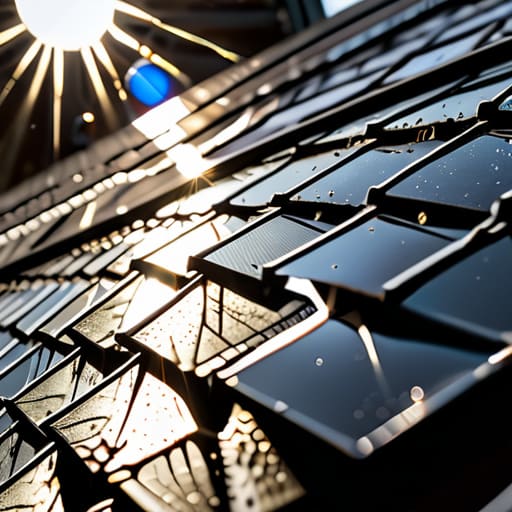
    To do this properly, you have to understand how air actually moves through your space. It’s not just about opening a window; it’s about managing air circulation patterns to ensure you aren’t just swirling hot air around in circles. I often use my infrared thermometer to find those stagnant, overheated zones—what I call “heat traps”—and position my windows to specifically target those areas. By strategically opening doors and windows, you can trigger a flow that pulls cool air in and pushes the warmth out, effectively reducing thermal pockets that keep your rooms feeling stuffy.

    Small Tweaks to Stop Your Money from Blowing Out the Window

    • Check your vents before you blame the HVAC. I’ve seen so many people crank the heat only to realize a heavy rug or a misplaced sofa is blocking the airflow. Make sure your registers are clear so the air actually goes where you’re paying for it to go.
    • Use your window treatments like a shield. During the day, close those blinds to block the sun’s heat, and at night, pull them shut to add a thin layer of insulation. It’s a low-tech way to manage how much thermal energy enters or leaves your space.
    • Don’t ignore the “invisible” leaks. Grab a candle or even just your hand and run it along window frames and door sweeps. If you feel a draft, you’re literally throwing money outside. A cheap roll of weatherstripping can fix this in twenty minutes.
    • Keep your ceiling fans spinning the right way. Most people forget this, but in the winter, your fan should run clockwise at a low speed to push the warm air that’s trapped at the ceiling back down to you. It’s free heat redistribution.
    • Manage your internal doors wisely. If you’re trying to heat a specific room, close the doors to the ones you aren’t using. It sounds simple, but limiting the volume of air your system has to move makes a massive difference in how hard your heater has to work.

    The Bottom Line on Airflow

    Stop fighting your HVAC; instead, focus on cleaning filters and clearing vents so your system isn’t working twice as hard for half the result.

    Use natural cross-ventilation to your advantage—timing your window openings with the breeze can save you more than any expensive gadget.

    Treat airflow like a budget; if you aren’t directing it precisely where you need it, you’re essentially just throwing money out the window.

    The Real Cost of Poor Airflow

    “I’ve spent way too many hours pointing an infrared thermometer at drafty window frames only to realize that most people aren’t just losing heat—they’re literally throwing cash out the window because they haven’t mastered how air moves through their space.”

    Tobias Nkemdirim

    Getting the Air Right

    Getting the Air Right for home efficiency.

    At the end of the day, managing your home’s airflow isn’t about installing a smart system that costs three months’ rent. It’s about the small, intentional moves we talked about: tweaking your HVAC settings, sealing those sneaky gaps around windows, and actually using cross-ventilation when the breeze is on your side. I’ve spent enough time walking through drafty apartments with my infrared thermometer to know that energy doesn’t just disappear—it leaks out through poor management. By taking control of how air moves through your space, you aren’t just lowering your monthly utility bill; you are reclaiming control over your living environment and making sure every watt you pay for actually does its job.

    I know it can feel overwhelming to think about “going green” or “saving energy” when everything feels so expensive right now. But sustainability shouldn’t be a luxury reserved for people with massive renovation budgets. It starts with being observant and making the most of what you already have. When you stop letting your conditioned air escape through a poorly placed vent or an unsealed door, you’re proving that efficiency is a mindset, not just a bank balance. Let’s stop letting our hard-earned money blow out the window and start building homes that actually work for us.

    Frequently Asked Questions

    I've tried sealing my windows, but how do I actually find the specific spots where the air is leaking out?

    Honestly, stop guessing. If you want to be precise, grab a handheld infrared thermometer—it’s my go-to. Just run it along your window frames and baseboards; a sudden temperature drop is a dead giveaway for a leak. If you don’t have one, try the old incense trick. Light a stick and move it slowly around the edges. Where the smoke dances wildly, you’ve found your culprit. Don’t just patch everything; find the actual holes.

    Is it actually worth it to use ceiling fans all day, or am I just wasting electricity to move hot air around?

    It’s a common misconception, but no, you aren’t just moving hot air around. A ceiling fan doesn’t actually lower the room temperature—it creates a wind-chill effect on your skin. The trick is to use them strategically: turn them on when you’re in the room to feel cooler, then shut them off when you leave. If you leave them running in an empty room, you’re essentially just paying to spin air for no reason.

    How can I manage airflow in a small apartment where I don't have control over the main HVAC system?

    Since you can’t mess with the building’s central unit, you have to focus on “micro-management.” Start by controlling your individual space. Use window film or heavy thermal curtains to block drafts, and if you have a window AC or a portable unit, make sure it’s sealed tight. I always carry my infrared thermometer to find those sneaky leaks around door frames. Even a simple draft stopper at the base of your door can make a massive difference.

  • Using Smart Home Technology for Energy Management

    Using Smart Home Technology for Energy Management

    I still remember sitting in my old rental apartment, shivering under three blankets because the heating bill was more intimidating than the actual winter chill. I’d watch the thermostat climb, only to feel that same drafty cold creeping in ten minutes later. Most people think that transitioning to smart home energy systems requires a massive tech budget or a house full of expensive, interconnected gadgets that you’ll eventually stop using. They sell you this dream of a “seamless automated lifestyle,” but they rarely mention that most of these high-end setups are just expensive distractions from the real problem: basic energy waste.

    I’m not here to sell you on a lifestyle of shiny, overpriced sensors that do nothing but ping your phone. My goal is to cut through the marketing fluff and show you how to actually use technology to stop bleeding money through your walls and outlets. I’ll be sharing practical, data-backed ways to integrate smart tech that actually moves the needle on your utility bills. We’re going to focus on low-cost, high-impact shifts that make your home efficient without making you go broke.

    Table of Contents

    Reducing Electricity Bills With Iot Without the High Price Tag

    Reducing Electricity Bills With Iot Without the High Price Tag

    Most people hear “smart home” and immediately think of expensive, integrated systems that cost more than a month’s rent. But you don’t need a massive budget to start reducing electricity bills with IoT. I always tell my clients to start small—think of it as an incremental audit rather than a total overhaul. A simple smart plug is often the best entry point. By plugging your coffee maker or that old lamp into a smart plug, you can set schedules that ensure they aren’t drawing “phantom power” while you’re asleep or at work.

    If you want to see the real impact, I recommend looking into real-time power consumption tracking. There are some incredibly affordable sensors you can clip onto your breaker box or plug into outlets that show you exactly where your money is leaking. It’s one thing to guess that your old fridge is a power hog; it’s another thing entirely to see the data on your phone. Once you see the numbers, the motivation to make changes becomes dead simple. You aren’t just saving money; you’re reclaiming control over your own space.

    Real Time Power Consumption Tracking to Stop Hidden Waste

    Real Time Power Consumption Tracking to Stop Hidden Waste

    Most people I audit are shocked when I point my infrared thermometer at a wall and show them exactly where the heat is escaping, but the real “ghosts” in your home are electrical. You might think you’re being careful by turning off the lights, but you’re likely still bleeding money through phantom loads. This is where real-time power consumption tracking becomes a game-changer. Instead of guessing which appliance is driving your costs up, you can see the exact wattage being pulled in the moment it happens. It turns invisible waste into hard data you can actually act on.

    I always suggest starting small with smart plug energy management to tackle those sneaky culprits like old gaming consoles, coffee makers, or desktop setups that stay in standby mode all night. When you can see the live spikes on your phone, you stop treating your utility bill like a mystery and start treating it like a budget. It’s not about buying every gadget on the market; it’s about using data to eliminate the waste you didn’t even know was there.

    5 Low-Cost Moves to Tighten Up Your Energy Profile

    • Stop the drafts with smart weather stripping. I’ve used my infrared thermometer more times than I can count to find tiny gaps around window frames; sealing these with simple, smart-fit weather stripping is the cheapest way to stop your heat from literally escaping into the street.
    • Get smart plugs for your “vampire” electronics. Most of us have devices—like gaming consoles or old coffee makers—that pull power even when they’re turned off; plugging them into a cheap smart plug allows you to cut the connection entirely via your phone so they aren’t sipping electricity 24/7.
    • Automate your lighting based on actual presence. You don’t need an expensive whole-home system; just installing a few motion-sensor smart bulbs in hallways or bathrooms ensures you aren’t paying to light up an empty room just because you forgot to flick a switch.
    • Optimize your thermostat’s “learning” phase. If you use a smart thermostat, don’t just set it and forget it; spend a week feeding it accurate data about when you’re actually home so it can aggressively drop the temperature when you’re out, rather than heating an empty house.
    • Use smart blinds to manage thermal gain. In the summer, I always suggest smart blinds that close automatically when the sun hits a certain intensity; it uses a tiny bit of power to run the motor, but it saves a massive amount of energy by preventing your living room from turning into a greenhouse.

    The Bottom Line on Smart Efficiency

    You don’t need a fully automated, high-tech mansion to see results; start with small, targeted IoT devices that tackle your biggest energy drains first.

    Data is your best friend—if you aren’t tracking your real-time usage, you’re essentially just guessing where your money is leaking out.

    Sustainability shouldn’t be a luxury, so focus on smart upgrades that pay for themselves through lower utility bills in the long run.

    The Real Cost of Convenience

    We’ve been conditioned to think that “smart” means buying every shiny new gadget on the market, but true energy intelligence is actually about visibility. It’s about finally seeing exactly where your money is leaking through the walls so you can stop paying for energy you aren’t even using.

    Tobias Nkemdirim

    The Bottom Line on Smart Energy

    The Bottom Line on Smart Energy.

    At the end of the day, transitioning to a smarter home doesn’t require a complete overhaul of your lifestyle or a massive upfront investment. We’ve looked at how low-cost IoT devices can automate your savings and how real-time tracking pulls the curtain back on those invisible energy drains that quietly inflate your monthly statements. By focusing on data rather than guesswork, you stop paying for power you aren’t actually using. It’s about moving away from the “set it and forget it” mentality and instead using simple technology to take back control of your utility costs and your environmental footprint.

    I know it can feel overwhelming to think about sustainability when you’re just trying to make ends meet, but remember that every small tweak matters. You don’t need a solar-powered mansion to make a difference; you just need to be intentional about how you inhabit your space. Whether it’s a smart plug or a simple monitoring app, these tools are your allies in the fight against waste. Let’s stop treating energy efficiency like a luxury reserved for the wealthy and start treating it like the essential survival skill it actually is. Your wallet—and the planet—will thank you.

    Frequently Asked Questions

    Are these smart devices actually going to save me more money than they cost to buy in the first place?

    It’s the million-dollar question, right? Honestly, if you just buy gadgets for the sake of having a “smart home,” you’ll lose money. But if you use them to target specific leaks—like a smart thermostat that actually learns your schedule or plugs that kill vampire power—they pay for themselves. I always look at the ROI. If a $30 sensor stops a $10-a-month waste, you’ve broken even in three months. That’s a win.

    Will adding all these IoT gadgets to my home make my network less secure or more complicated to manage?

    It’s a valid concern. Adding more devices definitely increases your “attack surface,” and if you aren’t careful, your Wi-Fi can get cluttered. I always tell my clients: don’t just buy every gadget on sale. Stick to reputable brands and, if you can, set up a separate guest network just for your IoT gear. It keeps your main computers isolated and makes managing the traffic much simpler. Keep it intentional, not just cluttered.

    Can I integrate these energy-saving tools into an older home that wasn't originally built for smart tech?

    Absolutely. In fact, older homes are exactly where I see the most potential for impact. You don’t need to rip out your walls or rewire the whole place to see results. Most smart tech—like smart plugs, wireless sensors, or even just a smart thermostat—is designed to sit on top of your existing setup. I’ve audited plenty of drafty, old builds where a few simple, non-invasive gadgets did more for efficiency than a full renovation ever could.

  • How to Choose an Energy Efficient Refrigerator

    How to Choose an Energy Efficient Refrigerator

    I still remember the summer I spent in that drafty rental apartment, watching my electricity bill climb every single month while my food sat in a fridge that sounded like a jet engine taking off. I used to think that going green meant dropping five figures on some high-tech, designer appliance that looked more like a piece of art than a tool. But here’s the truth: most of the marketing hype around energy efficient refrigerators is designed to make you feel like you need a massive bank account just to be sustainable. You don’t need a smart-fridge with a built-in touchscreen to save power; you just need to understand how the mechanics actually work.

    I’m not here to sell you on expensive gadgets or lifestyle trends that don’t actually move the needle. My goal is to give you the straightforward, data-driven reality of what to look for when you’re shopping. I’ll show you how to spot the real efficiency ratings, avoid the “greenwashed” traps, and pick a model that actually respects your budget and the planet. Let’s cut through the noise and find a fridge that works for your life, not just your aesthetic.

    Table of Contents

    Why Energy Star Certified Appliances Actually Save You Cash

    Why Energy Star Certified Appliances Actually Save You Cash

    I used to think the “Energy Star” sticker was just more marketing fluff designed to make us pay a premium upfront. But after auditing enough homes and seeing the data, I’ve realized it’s actually a roadmap for long-term savings. When you look at energy star certified appliances, you aren’t just buying a brand; you’re buying a guarantee that the machine meets strict performance standards. These units are engineered to optimize compressor efficiency ratings, meaning they don’t just run non-stop to keep things cold—they cycle intelligently, drawing power only when absolutely necessary.

    It’s a math problem, really. A standard, older model might be cheap today, but the way it drags down your monthly budget through high refrigerator electricity consumption is a slow leak in your wallet. By investing in a model with better thermal management and smarter components, you’re effectively capping your future expenses. For me, it’s about that peace of mind—knowing that your kitchen isn’t secretly bleeding money every time the compressor kicks in.

    Decoding Compressor Efficiency Ratings Without Breaking the Bank

    Decoding Compressor Efficiency Ratings Without Breaking the Bank

    When you’re looking at the spec sheet, you’ll see a bunch of jargon about compressor efficiency ratings, and honestly, it can feel like a trap designed to confuse you. Most people just look for the lowest price tag, but that’s a mistake. The compressor is essentially the heart of your fridge; it’s what does the heavy lifting to keep your food cold. If you end up with a cheap, outdated model, that compressor is going to run constantly, spiking your refrigerator electricity consumption and eating your savings through your monthly utility bill.

    I always tell my clients to look for models featuring inverter compressors. Unlike the old-school versions that simply kick on and off at full blast—which is incredibly wasteful—inverter tech adjusts its speed based on how much cooling you actually need. It’s a bit more sophisticated, but it’s a massive win for reducing kitchen utility bills in the long run. You aren’t just buying a box to hold milk; you’re investing in a piece of tech that manages its own workload so you don’t have to pay for wasted momentum.

    5 Low-Effort Hacks to Stop Your Fridge From Bleeding Cash

    • Check your seals with the flashlight trick. I always carry my infrared thermometer to find heat leaks, but you can do this for free: grab a flashlight, put it inside the fridge at night, and close the door. If you see light leaking out around the edges, your gaskets are shot, and your compressor is working overtime to compensate for that lost cold air.
    • Stop the “overstuffing” habit. It’s tempting to cram every leftover into every available inch, but air needs to circulate to maintain a consistent temperature. If you block the vents, the fridge struggles, uses more power, and leaves some food warmer than others. Think of it as breathing room for your groceries.
    • Mind the gap between the fridge and the wall. I see this constantly in small rental kitchens—people push their appliances flush against the wall to save space. If there’s no airflow behind the unit, the heat generated by the condenser coils gets trapped, making the whole system run way less efficiently. Give it at least a couple of inches of breathing room.
    • Don’t put hot leftovers straight in. It feels convenient, but dumping a steaming bowl of pasta into a cold fridge forces the appliance to work in overdrive to bring the temperature back down. Let your food cool on the counter for a bit first; it saves the motor and keeps your electricity usage steady.
    • Clean your condenser coils every six months. Dust and pet hair act like a thermal blanket on those coils, preventing them from shedding heat properly. If you haven’t cleaned them in a year, you’re essentially paying a “dust tax” every single month in the form of higher utility bills. A quick vacuum is all it takes.

    The Bottom Line: What to Look for Before You Buy

    Don’t just look at the price tag on the showroom floor; calculate the “total cost of ownership” by factoring in how much that fridge will suck electricity out of your wallet every single month for the next decade.

    Prioritize Energy Star certification as your baseline, but don’t stop there—check the specific kilowatt-hour (kWh) rating to see which model actually offers the best efficiency for your specific usage.

    Size matters more than you think; buying a massive, oversized fridge just because it “might be useful” is a quick way to waste energy cooling empty space you don’t need.

    The Real Cost of a Cheap Fridge

    “I’ve seen too many people buy the cheapest fridge on the floor just to save fifty bucks upfront, only to watch their utility bills bleed them dry every single month. A fridge is a marathon runner, not a sprinter; if it isn’t efficient, you’re just paying for it twice—once at the store and once through your power meter.”

    Tobias Nkemdirim

    Making the Smart Call

    Making the Smart Call on fridge efficiency.

    At the end of the day, picking a new fridge isn’t just about finding something that looks good in your kitchen; it’s a calculated move for your wallet. We’ve looked at why Energy Star ratings aren’t just marketing fluff and how understanding compressor efficiency can prevent you from overpaying for a machine that works harder than it needs to. It comes down to doing a bit of homework upfront so you aren’t constantly bleeding money through your power outlet every single month. If you focus on the specs that actually impact your daily usage, you’ll find that efficiency is the ultimate long-term investment.

    I know it can feel overwhelming to navigate all these technical terms and price tags, especially when you’re trying to stick to a tight budget. But remember, sustainability shouldn’t be a luxury reserved for people with massive bank accounts. Every time you choose a smarter, more efficient appliance, you’re making a choice to stop wasting energy just because it’s the easy path. It’s about taking control of your space and your spending. Small, intentional decisions like this are exactly how we build homes that are both affordable to run and kind to the planet.

    Frequently Asked Questions

    Is it actually worth paying the extra upfront cost for a high-efficiency model, or do the monthly savings take too long to break even?

    Look, I get the hesitation. Staring at a higher price tag at the store feels like a setback. But I’ve run the numbers on enough audits to know that the “break-even” point usually hits much faster than people think. If you’re looking at a fridge you’ll use for a decade, that upfront premium isn’t a cost—it’s an investment. You aren’t just buying a kitchen appliance; you’re pre-paying your future utility bills at a discount.

    How much of a difference does the placement of my fridge make—does keeping it away from the oven really impact my electricity bill?

    It makes a massive difference. I’ve seen it firsthand with my infrared thermometer: if your fridge is jammed right next to a hot oven, it’s working overtime just to fight that ambient heat. It’s like trying to keep a drink cold while standing next to a radiator. By giving your fridge some breathing room and keeping it away from heat sources, you reduce the strain on the compressor and keep those monthly bills from creeping up.

    Are there specific features, like smart sensors or dual cooling, that actually improve efficiency, or are they just marketing gimmicks to hike up the price?

    Look, I’ve seen enough spec sheets to know when a brand is just selling you a shiny gadget. Most “smart” features are just fluff. However, dual cooling is different—it keeps humidity stable, which actually prevents food waste and keeps the compressor from working overtime. Smart sensors can be useful for tracking usage, but if they’re just there to send you a notification that the door is open, you’re paying a premium for a gimmick.

  • How to Find a Reliable Solar Installer

    How to Find a Reliable Solar Installer

    I still remember standing in my old rental apartment, shivering through a February freeze while staring at a utility bill that felt like a personal insult. I knew then that energy shouldn’t be a luxury, but the jump from “wasting power” to “going solar” feels like a minefield of predatory sales tactics. Most people think you need a massive inheritance to make the switch, but the truth is that most solar panel installation companies are just better at marketing than they are at actually helping you save. They hide the real math behind glossy brochures and complex jargon, leaving you wondering if you’re actually investing in the planet or just funding someone else’s commission.

    I’m not here to sell you a dream or a high-interest loan you can’t afford. My goal is to cut through the noise and show you how to vet these providers based on hard data and real-world efficiency, not just their flashy websites. I’ll help you identify which companies actually prioritize long-term energy savings and which ones are just looking for a quick buck. We’re going to find you a setup that actually lowers your bills without breaking your bank account.

    Table of Contents

    Checking Solar Energy Company Credentials Without Breaking the Bank

    Checking Solar Energy Company Credentials Without Breaking the Bank

    When I’m auditing a home, I don’t just look at the insulation; I look at who is actually doing the work. You can’t just hire the first crew that rolls up in a shiny truck. To avoid a massive headache later, you need to verify their solar energy company credentials before a single bolt is tightened. I always check if they are NABCEP certified—that’s the gold standard. You want to ensure you’re dealing with certified solar technicians who actually understand the physics of a photovoltaic system setup, not just some guys who watched a YouTube tutorial last week.

    Don’t let a salesperson gloss over the fine print. A legitimate provider will give you a transparent solar panel installation cost breakdown rather than just a single, intimidating lump sum. If they can’t explain where your money is going—from the mounting hardware to the inverter specs—walk away. I’ve seen too many people get stuck with subpar equipment because they were chasing the lowest quote. Real renewable energy installation experts will be happy to walk you through the technical details because they know their stuff.

    Why You Need Certified Solar Technicians Not Just Cheap Labor

    Why You Need Certified Solar Technicians Not Just Cheap Labor

    Look, I get the temptation. When you’re staring at a massive quote, your first instinct is to find the guy with the lowest price tag. But in my experience auditing energy systems, I’ve seen how “cheap” ends up being the most expensive mistake you can make. A botched photovoltaic system setup isn’t just a minor inconvenience; it’s a massive fire hazard and a total drain on your ROI. If the wiring is sloppy or the mounting is off, you aren’t just losing efficiency—you’re potentially compromising the structural integrity of your roof.

    This is where the value of certified solar technicians really hits home. These pros aren’t just following a manual; they understand the physics of energy flow and local building codes. When you hire renewable energy installation experts, you aren’t just paying for labor; you’re paying for the peace of mind that your system won’t fail after two seasons. I’d much rather see a slightly higher initial investment than deal with the nightmare of a faulty system that refuses to hit its projected output. Don’t let a “bargain” turn your sustainable dream into a costly repair job.

    5 Things I Look For Before I Trust an Installer With My Roof

    • Don’t just settle for the lowest quote; ask for a detailed breakdown of what’s actually included. I’ve seen too many “budget” companies slash costs by using low-grade mounting hardware that fails after two seasons of heavy wind.
    • Demand to see their local project list. A company might have a flashy website, but I want to know if they’ve actually handled the specific roofing types or weather conditions in our neighborhood.
    • Check their warranty on labor, not just the hardware. The panels themselves might be covered for 25 years, but if the installer disappears next year, you’re stuck paying a premium to fix a single leaking seal.
    • Verify they handle the permitting and grid interconnection paperwork. You don’t want to be stuck playing middleman between a contractor and the local utility company just to get your system turned on.
    • Ask about their post-install support. A good company shouldn’t ghost you once the final check clears; they should have a clear process for troubleshooting if your production numbers suddenly dip.

    The Bottom Line on Choosing a Solar Partner

    Don’t get blinded by a low quote; a “cheap” installer who lacks proper certification will end up costing you more in repairs and wasted energy in the long run.

    Treat your solar installation like any other home audit—verify their credentials and track record to ensure they actually deliver the efficiency they promise.

    Sustainability shouldn’t be a luxury, so prioritize companies that offer transparent pricing and proven technical expertise to make your transition both affordable and effective.

    ## The True Cost of a "Cheap" Install

    “I’ve seen too many people try to save a few hundred bucks upfront by hiring an uncertified crew, only to end up with a system that leaks energy—or worse, leaks money—through poor installation. A solar company shouldn’t just be selling you hardware; they should be selling you a long-term reduction in your cost of living.”

    Tobias Nkemdirim

    Making the Right Call for Your Wallet and the Planet

    Making the Right Call for Your Wallet and the Planet

    Look, I know the whole process of vetting solar companies feels overwhelming, especially when you’re trying to balance a tight budget with the need for high-quality tech. But remember what we discussed: don’t let a low price tag fool you into hiring uncertified labor that might end up costing you more in repairs down the line. By verifying credentials and focusing on companies that prioritize long-term efficiency over a quick sale, you’re protecting your investment. It’s about doing the legwork now to ensure your home actually delivers on those lower utility bills you’re counting on.

    At the end of the day, transitioning to solar isn’t just about some high-tech gadget on your roof; it’s a practical move toward independence. I grew up in a home where energy was a constant, expensive headache, and I promise you, the feeling of watching your meter slow down is worth every bit of the research. You don’t need a massive windfall to make a difference or to live more sustainably. Start small, stay smart, and remember that every kilowatt you save is a win for both your bank account and the world we’re trying to protect.

    Frequently Asked Questions

    How do I know if a solar company is actually offering a real discount or just inflating their initial quote?

    Look, I’ve seen this play out too many times: a salesperson walks in with a “limited-time 40% discount” that feels a bit too convenient. To spot the bluff, ask for a line-item breakdown. If they can’t show you the exact cost of the hardware versus the labor, they’re likely padding the initial quote just to “discount” it later. Compare their quote against the local average for similar kW systems. If the math doesn’t add up, walk away.

    Is it worth paying a premium for a local installer versus going with a massive national corporation?

    Look, I get the temptation to go with a massive national corp—their marketing is everywhere and they look “safe.” But in my experience, you’re often paying for their massive overhead, not better service. I usually lean toward local installers. They actually know your local climate and building codes, and if something goes sideways with your array, you aren’t stuck in a phone queue with a call center halfway across the country. Local accountability beats scale every time.

    What specific warranties should I be looking for so I'm not stuck paying for repairs in three years?

    Don’t get blinded by a low upfront quote if the warranty is garbage. You need to look for three specific things: a product warranty on the panels (aim for 25 years), an inverter warranty (these fail more often, so look for at least 10-12 years), and a workmanship warranty. The workmanship part is huge—it covers the actual installation. If a company won’t guarantee their labor for at least 5 to 10 years, walk away.

  • Benefits of Installing Double Glazing

    Benefits of Installing Double Glazing

    I still remember sitting in my old rental apartment, wrapped in three layers of wool, watching my breath mist in the living room because the single-pane windows were basically just expensive holes in the wall. I used to think you needed a massive renovation budget to fix a drafty house, but the truth is much simpler. People often get bogged down in complex technical specs when they should just be looking at the actual double glazing benefits that matter for a real person’s wallet. You don’t need a luxury retrofit to stop heating the street; you just need to stop letting your hard-earned money leak out through your window frames.

    I’m not here to sell you on some high-end, overpriced glass system that promises the moon. My goal is to give you the straight-up facts based on what I see during my home audits and what actually works for small-scale budgets. We’re going to break down how this upgrade actually impacts your monthly bills and your carbon footprint, without the marketing fluff. I’ll show you how to spot the difference between a genuine thermal upgrade and a total waste of cash so you can invest smart and finally stay warm.

    Table of Contents

    Reducing Heating Bills Through Smarter Energy Efficiency Savings

    Reducing Heating Bills Through Smarter Energy Efficiency Savings

    When I’m auditing a home, the most frustrating thing isn’t a broken boiler; it’s watching expensive heat escape through thin, single-pane glass. Most people think they need to crank the thermostat to fight the chill, but you’re really just heating the outdoors. By upgrading, you aren’t just adding a layer of glass; you’re fundamentally reducing heating bills by creating a thermal barrier that actually holds onto the warmth you’ve paid for.

    If you want to get technical, it comes down to the u-value explained—basically, the lower that number is, the better the window is at resisting heat loss. When I use my infrared thermometer on older windows, the temperature drop between the inside and outside is staggering. Switching to double glazing plugs those thermal leaks, meaning your heating system doesn’t have to work overtime just to maintain a baseline temperature. It’s one of those rare scenarios where the energy efficiency savings actually pay for the upgrade over time. It’s not about being fancy; it’s about making sure your money stays inside your house, not drifting out the window.

    The Double vs Single Glazing Comparison You Need to See

    The Double vs Single Glazing Comparison You Need to See

    If you look at a single pane of glass, you’re basically looking at a hole in your wall where heat escapes. I’ve spent countless hours with my infrared thermometer pointing at old, single-glazed windows, and the readings are always the same: a massive temperature drop. In a simple double vs single glazing comparison, the difference isn’t just theoretical; it’s physical. Single glazing offers almost zero thermal resistance, meaning your heater works overtime just to fight the chill coming through the glass.

    When we talk about u-value explained, we’re essentially looking at how much heat is lost through the window. A lower u-value is what you want—it means better insulation. Double glazing uses a layer of inert gas, like argon, trapped between two panes to act as a buffer. This doesn’t just help with reducing heating bills; it also significantly improves the acoustic insulation properties of your home. You aren’t just saving money; you’re actually creating a quieter, more stable environment. It’s one of those rare upgrades that fixes both your wallet and your peace of mind.

    Small Upgrades, Big Wins: How to Get the Most Out of Your Windows

    • Check the seals, not just the glass. I’ve walked into plenty of homes where the double glazing is fine, but the rubber seals around the frame are perished. If air is whistling through, you’re basically paying to heat the outdoors.
    • Don’t ignore the “U-value.” When you’re looking at options, don’t just go for the prettiest frame. Look for the lowest U-value possible—that’s the data-driven way to ensure you’re actually stopping heat from escaping.
    • Consider your orientation. If you have large windows facing south, double glazing can help trap that solar gain during the day, acting like a natural heater, but make sure you have decent blinds to manage it when it gets too intense.
    • Look for Low-E coatings. It sounds like tech jargon, but it’s just a thin layer that reflects infrared heat back into your room. It’s one of those “set it and forget it” upgrades that pays for itself in energy savings.
    • Match the glass to your specific problem. If your main issue is street noise or a loud neighbor, look for acoustic laminated glass. It’s a double win: you get better thermal insulation and a much quieter, more peaceful living space.

    The Bottom Line on Upgrading Your Windows

    Think of double glazing as an insulation layer for your wallet; it stops the heat you’ve already paid for from escaping straight through the glass.

    You aren’t just buying better windows; you’re investing in a more consistent indoor temperature that removes the need to constantly fiddle with your thermostat.

    While the upfront cost is a factor, the long-term math works out because the reduction in monthly energy waste eventually pays for the upgrade itself.

    ## The Real Math of Thermal Comfort

    “I’ve spent too many afternoons pointing an infrared thermometer at drafty single-pane windows only to watch the temperature drop like a stone. Double glazing isn’t just a luxury upgrade; it’s about finally stopping your hard-earned money from leaking right out through the glass.”

    Tobias Nkemdirim

    Making the Move

    Making the Move to double glazing.

    At the end of the day, upgrading to double glazing isn’t just about fancy home improvements or aesthetic upgrades; it’s about closing the gaps where your money is literally escaping into the atmosphere. We’ve looked at how the thermal barrier of a second pane of glass stops you from heating the street and how the massive difference between single and double glazing can fundamentally change your monthly overheads. Whether you are looking to cut down on noise pollution or simply want to stop feeling that unexplained chill coming off your windows during a frost, the data is clear. Investing in better glazing is one of the most effective ways to stop the constant cycle of wasting energy just because your current setup is inefficient.

    I know that making changes to your home can feel like a massive, intimidating financial hurdle, but I promise you it’s worth it. Living sustainably shouldn’t be a luxury reserved for people with huge bank accounts; it should be the standard for everyone. Every time you seal a leak or improve your insulation, you are taking a stand against both rising utility costs and unnecessary carbon emissions. Don’t let the convenience of an old, drafty window keep you stuck in a cycle of high bills. Take that first step toward a smarter, more efficient home and start enjoying a space that actually works for you, not against you.

    Frequently Asked Questions

    Is it actually worth the upfront cost if I'm renting and can't replace the windows myself?

    Look, if you’re renting, you shouldn’t be dropping thousands on permanent fixtures. That’s a losing game. Instead of fighting your landlord, focus on “tactical” efficiency. Grab some heavy thermal curtains or even window insulation film—it’s cheap, removable, and actually works to stop drafts. It won’t match the performance of true double glazing, but it stops the heat from escaping without costing you a security deposit. Focus on what you can control.

    How much of a difference will I actually see in my monthly heating bills once they're installed?

    Look, I can’t give you an exact number without seeing your insulation levels or running a thermal audit, but the impact is usually pretty dramatic. Most of my clients see a drop of about 15% to 25% on their heating costs. If you’ve been living with single glazing, you’re basically paying to heat the sidewalk. Once that thermal barrier is in place, your thermostat actually does its job instead of fighting a losing battle against the glass.

    Are there specific types of double glazing that are better for blocking out street noise as well as heat?

    If you’re dealing with heavy traffic or loud neighbors, look for “acoustic glazing.” It uses laminated glass—essentially a layer of PVB (polyvinyl butyral) sandwiched between panes. That interlayer acts like a shock absorber for sound waves. For the best results, I’d recommend a thicker pane configuration with varying glass thicknesses; it breaks up the vibration patterns more effectively. It’s a smart way to kill the noise and keep the heat trapped inside.

  • Practical Home Energy Conservation Techniques

    Practical Home Energy Conservation Techniques

    I still remember sitting in my old rental apartment, wrapped in three layers of wool, watching the thermostat climb while my bank account plummeted. It was freezing, and no matter how much I cranked the heat, the warmth seemed to vanish into thin air. Most people will tell you that home energy conservation requires a massive investment in solar panels or high-end smart systems you can’t actually afford. They make it sound like a luxury hobby for the wealthy, but that’s a total myth. In reality, most of your money is just leaking out of cracks you haven’t even noticed yet.

    I’m not here to sell you on expensive gadgets or complicated lifestyle overhauls that don’t actually move the needle. My goal is to give you the straightforward, data-backed truth about where your power is actually going. I’ll be sharing the exact, low-cost tweaks I use in my professional audits to stop the bleed. We’re going to focus on practical shifts that respect your budget and your time, proving that you don’t need to be rich to run a sustainable, efficient home.

    Table of Contents

    Lowering Utility Bills Without Breaking the Bank

    Lowering Utility Bills Without Breaking the Bank

    Most people think “going green” requires a massive solar array or a complete house renovation, but that’s just not true. When I’m auditing a space, I usually find that the biggest drains aren’t the big-ticket items, but the small, invisible leaks. One of the most effective ways to start lowering utility bills without a huge upfront investment is focusing on air sealing. I always carry my infrared thermometer to these jobs because it’s eye-opening to see how much heat escapes through a single poorly fitted window frame or an unsealed door. Using simple weatherstripping or even just heavy curtains can make a noticeable difference in how much work your heater has to do.

    Beyond just blocking drafts, you should look at how you manage the tech you already own. You don’t need to replace everything at once, but when your old fridge finally dies, prioritize energy efficient appliances next time. In the meantime, small shifts—like washing clothes in cold water or unplugging “vampire” electronics—can chip away at your monthly costs. It’s about being intentional rather than just letting energy bleed out of your wallet.

    Smart Home Energy Management on a Budget

    Smart Home Energy Management on a Budget.

    When people hear “smart home,” they usually picture expensive, voice-activated gadgets that cost a fortune. But for me, smart home energy management isn’t about buying the latest tech just for the sake of it; it’s about using basic automation to stop energy bleeding. If you can swing a basic smart plug or a programmable thermostat, you’re already ahead of the curve. These tools allow you to cut power to “vampire” devices that sit in standby mode, ensuring you aren’t paying for electricity you aren’t actually using.

    I’ve found that even the simplest automation can make a massive dent in your monthly costs. Instead of leaving your lights or heater running all day, setting a schedule ensures everything shuts down when you’re at work. It’s a low-effort way of reducing your carbon footprint at home without having to manually flip every switch. You don’t need a fully integrated ecosystem to see results; you just need to be intentional about when your devices are drawing power. Small, automated shifts are often much more effective than trying to remember to unplug everything yourself every night.

    The Low-Hanging Fruit: Where Your Heat is Actually Escaping

    • Grab some weatherstripping and a tube of caulk. I’ve used my infrared thermometer on dozens of apartments, and most of the heat loss isn’t from the windows themselves, but from the tiny, invisible gaps around the frames and door sweeps. Sealing those cracks is the cheapest way to stop heating the neighborhood.
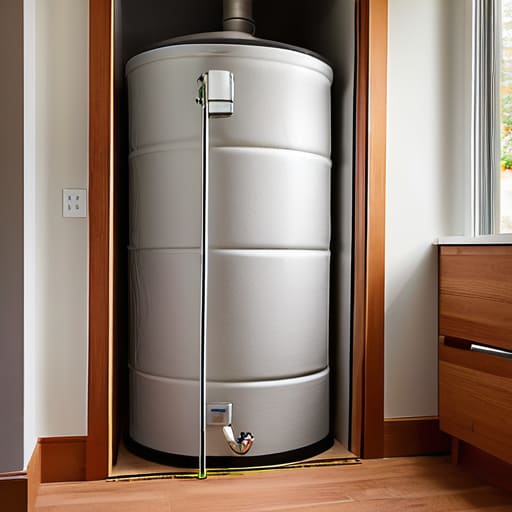
    • Stop letting your water heater act like a space heater. If you aren’t using it at full blast, dial that temperature down to about 120°F (49°C). Most factory settings are way too high, and you’re basically paying to boil water you don’t even need.
    • Switch to LED bulbs, but do it strategically. Don’t just swap them all at once if you’re on a tight budget; start with the lights in the rooms you use most—the kitchen and living area. It’s a tiny upfront cost that pays for itself in a few months of lower wattage.
    • Master the art of “thermal curtains.” In the winter, keep heavy curtains closed as soon as the sun goes down to trap the warmth inside. In the summer, do the opposite—keep them closed during the heat of the day to block solar gain. It sounds basic, but it’s pure physics and costs zero dollars.
    • Unplug your “vampire” electronics. Even when they’re off, things like gaming consoles, coffee makers, and old chargers pull a trickle of power. If you aren’t using it, pull the plug or use a cheap power strip to kill the connection entirely. It’s not much individually, but it adds up over a billing cycle.

    The Bottom Line for Your Bills and the Planet

    You don’t need a massive solar array or high-end smart tech to see results; most of the wins come from spotting and sealing the small, invisible leaks in your daily routine.

    Efficiency isn’t a luxury reserved for homeowners with deep pockets—it’s about using data and simple, practical shifts to stop paying for energy you aren’t actually using.

    Small, consistent changes in how you manage your space are more effective for your wallet and the environment than waiting for a “perfect” sustainable setup that you can’t afford.

    The Real Cost of Convenience

    “Energy efficiency isn’t a luxury reserved for people with massive renovation budgets; it’s about closing the gaps—literally and figuratively—so you stop paying for heat that’s just leaking out into the street.”

    Tobias Nkemdirim

    Cutting the Waste for Good

    Cutting the Waste for Good with efficiency.

    At the end of the day, saving energy isn’t about some massive, expensive overhaul of your entire living space. It’s about the cumulative effect of the small stuff—the smart plugs that kill phantom loads, the weatherstripping that stops your heat from escaping through the cracks, and the simple habit of being mindful of how we use our tech. I’ve seen firsthand through my audits that you don’t need a massive solar array to see a difference; you just need to stop the leaks, both literal and metaphorical. By focusing on these budget-friendly shifts, you’re effectively plugging the holes in your wallet while simultaneously reducing your environmental load.

    I know it can feel overwhelming when you look at the global climate crisis, but I want you to remember that sustainability shouldn’t be a luxury reserved for the wealthy. We have to move away from the idea that convenience is worth the massive waste it generates. Every time you choose a more efficient way to heat a room or optimize a device, you’re making a choice to live more intentionally. It’s about taking control of your own space and your own costs. Let’s stop letting energy slip through our fingers just because it’s easy, and instead, start building homes that are actually built to last.

    Frequently Asked Questions

    If I'm renting, what are some low-cost ways to improve efficiency without making permanent changes to the property?

    Since you can’t go tearing out walls or swapping windows, you have to focus on “non-invasive” fixes. I always tell my rental clients to start with heavy thermal curtains—they’re a game changer for blocking drafts. Grab some adhesive weatherstripping for door frames and window gaps; it’s cheap and peels right off when you move. Also, use draft stoppers at the base of doors. It’s not high-tech, but it stops the heat from literally leaking out.

    How can I tell if my energy is actually being wasted through heat leaks versus just having an inefficient appliance?

    It’s a common point of confusion, but the distinction is actually pretty easy once you know what to look for. Heat leaks are about your building’s “envelope”—think drafts around windows or gaps in floorboards. I usually grab my infrared thermometer to spot these; if I see a sudden temperature drop near a wall or frame, that’s a leak. Inefficient appliances, however, are about consumption. If a fridge is running constantly or a heater feels weak despite being on high, that’s a hardware issue, not a leak.

    Which smart home devices actually provide a decent return on investment, and which ones are just expensive gimmicks?

    Look, I’ve seen too many people drop hundreds on “smart” gadgets that do nothing but look cool on a phone app. If you want a real ROI, stick to smart thermostats and smart plugs for your heavy hitters—like space heaters or old fridges. They actually track usage and cut waste. Avoid the flashy ambient lighting or smart appliances that don’t offer granular data. If it doesn’t help you see where the power is leaking, it’s just a gimmick.

  • Comparing Triple Glazing and Double Glazing Performance

    Comparing Triple Glazing and Double Glazing Performance

    I still remember sitting in my old rental apartment three years ago, wrapped in two blankets and a heavy coat, watching the heat from my radiator vanish into the drafty window frames like it was nothing. I’d point my infrared thermometer at the glass, and the reading would be so low it felt like looking at a freezer door. Most people will try to sell you on the idea that triple glazing is some kind of luxury magic trick, but I see it differently. When you actually look at the data, the real triple glazing benefits aren’t about prestige or fancy aesthetics; they are about finally stopping that constant, expensive leak of thermal energy that keeps your bills climbing every single winter.

    I’m not here to give you a sales pitch or a list of marketing buzzwords that leave your wallet lighter and your house just as cold. Instead, I’m going to break down the actual, measurable impact this upgrade has on your home’s thermal envelope and your monthly spending. I’ll show you when it’s a smart investment and when it’s just unnecessary hype, so you can make a decision based on real efficiency rather than empty promises.

    Table of Contents

    Reducing Heating Bills With Windows via Argon Gas Filled Windows

    Reducing Heating Bills With Windows via Argon Gas Filled Windows

    When I’m running an audit, I often see people focusing on their thermostat settings while ignoring the massive thermal leaks happening right at their window frames. If you’re looking into reducing heating bills with windows, you need to look past just the number of glass layers and look at what’s actually inside them. Standard windows often have nothing but air between the panes, which is a terrible insulator because air moves and loses heat easily.

    This is where argon gas filled windows change the game. Argon is much denser than air, meaning it moves more slowly and provides a much more effective thermal barrier. By slowing down that heat transfer, you’re essentially trapping the warmth inside your living space instead of letting it bleed out into the street. It’s one of those small, technical details that makes a massive difference in your monthly utility costs. For me, seeing the data on how much heat a standard air-filled pane loses compared to an argon-filled one is the clearest argument for making the upgrade. It’s not just about comfort; it’s about stopping the waste.

    Triple Pane vs Double Glazing a Smarter Way to Save

    Triple Pane vs Double Glazing a Smarter Way to Save

    When I’m auditing a home, the most common debate I run into is triple pane vs double glazing. Most people think double glazing is “good enough,” and for a basic budget, it usually is. But if you’re looking at long-term energy efficiency window upgrades, there is a massive difference in how these two handle thermal transfer. Double glazing uses two panes of glass with a gap to slow down heat loss, but triple glazing adds a third layer and an extra insulating chamber. This extra barrier is what really makes the difference in keeping your indoor temperature stable when the wind starts howling outside.

    It isn’t just about the heat, though. One thing I always notice when I walk into a house with triple-pane setups is how much quieter it feels. Because you have more physical layers and more gas-filled cavities, you get much better window insulation for noise reduction. If you live near a busy road or a noisy neighborhood, that extra pane is a game-changer for your peace of mind. It’s an upfront investment, sure, but if your goal is to stop bleeding money through your walls, it’s a much smarter play.

    Small Upgrades, Big Impact: 5 Ways Triple Glazing Actually Changes Your Daily Life

    • Cutting the noise: Beyond just the heat, the extra layer of glass acts as a serious sound buffer, which is a lifesaver if you live on a busy street or near a noisy neighbor.
    • Eliminating those annoying cold spots: I’ve used my infrared thermometer on countless homes where single or even double glazing leaves a “chill zone” near the window; triple glazing keeps the glass surface temperature much closer to the room temp.
    • Reducing your reliance on heaters: When your windows aren’t acting like giant radiators in reverse, your thermostat doesn’t have to work nearly as hard to maintain a steady temperature.
    • Stopping the condensation cycle: One of the biggest headaches I see in audits is moisture buildup on window panes; the improved thermal barrier of triple glazing helps prevent that damp, mold-prone environment.
    • Long-term value over quick fixes: While the upfront cost is higher than double glazing, you have to look at it as an investment in your home’s envelope that pays dividends through lower monthly utility bills for years.

    The Bottom Line: Is Triple Glazing Worth It?

    Don’t view triple glazing as a luxury expense; see it as a long-term hedge against rising energy costs that pays for itself by cutting down the heat you’re currently leaking through your walls and windows.

    The real win isn’t just a lower utility bill—it’s the thermal stability. You’re moving from a house that’s constantly fighting drafts to a space that actually holds its temperature, making your heating system work much less.

    If you’re looking for the most bang for your buck, prioritize high-quality seals and gas fills alongside the extra pane; a triple-glazed window with poor installation is just another way to waste money.

    The Real Math of Thermal Comfort

    “I’ve spent too many nights in drafty rentals watching the thermostat climb while the heat just vanishes through the glass. Triple glazing isn’t some luxury splurge; it’s a practical way to stop paying for energy that’s literally escaping into the street.”

    Tobias Nkemdirim

    The Bottom Line on Your Windows

    The Bottom Line on Your Windows.

    At the end of the day, upgrading to triple glazing isn’t just about adding another layer of glass; it’s about plugging the leaks that are draining your bank account every single month. We’ve looked at how the argon gas acts as a thermal buffer and why the extra pane is often the deciding factor in keeping a room stable when the temperature drops outside. While the upfront cost might seem a bit higher than standard double glazing, the data shows it’s a long-term play. By reducing your reliance on constant heating, you aren’t just fixing a window; you are optimizing your entire home’s thermal envelope to work for you, not against you.

    I know that making changes to your home can feel overwhelming, especially when you’re trying to balance a budget. But I truly believe that sustainability shouldn’t be a luxury reserved for people with massive estates. Every smart, efficient choice we make—even something as fundamental as the windows we look through—is a step toward a more intentional way of living. Don’t look at this as just another home improvement expense. Look at it as an investment in a more comfortable, more affordable future where you aren’t constantly fighting against the elements just to stay warm.

    Frequently Asked Questions

    Is the upfront cost of triple glazing actually worth it if I'm not planning on living in this house for more than five years?

    Honestly? If you’re definitely moving in five years, the math gets tricky. Triple glazing is a long-term play. You’re essentially pre-paying for energy savings you might never see. Unless you’re in a particularly brutal climate where the immediate comfort and lower monthly bills are massive, you might be better off investing that upfront cash into something else. But, if you’re looking to boost the home’s resale value, it’s a strong selling point.

    Will adding the extra pane of glass make my windows significantly heavier or harder to open?

    That’s a fair concern, and honestly, it’s one I hear a lot during my audits. Physically, yes, the units are heavier, but that shouldn’t affect your daily life. Modern triple glazing uses high-quality hardware and reinforced frames designed specifically to handle the extra weight. If your installer does their job right, the window should glide open just as smoothly as your old ones. Don’t let the weight scare you off; the thermal payoff is worth it.

    How much of a difference will triple glazing actually make if my house already has decent insulation in the walls and roof?

    Even with great wall and roof insulation, your windows are likely your biggest thermal weak point. I’ve seen plenty of houses where the shell is airtight, but heat just pours straight out of the glass. It’s like wearing a heavy parka but leaving your jacket unzipped. Triple glazing plugs that specific gap, ensuring the warmth you’re paying for actually stays inside the room instead of escaping through the panes.