
I still remember sitting in my old rental apartment, wrapped in three layers of wool, watching the thermostat climb while my bank account plummeted. It was freezing, and no matter how much I cranked the heat, the warmth seemed to vanish into thin air. Most people will tell you that home energy conservation requires a massive investment in solar panels or high-end smart systems you can’t actually afford. They make it sound like a luxury hobby for the wealthy, but that’s a total myth. In reality, most of your money is just leaking out of cracks you haven’t even noticed yet.
I’m not here to sell you on expensive gadgets or complicated lifestyle overhauls that don’t actually move the needle. My goal is to give you the straightforward, data-backed truth about where your power is actually going. I’ll be sharing the exact, low-cost tweaks I use in my professional audits to stop the bleed. We’re going to focus on practical shifts that respect your budget and your time, proving that you don’t need to be rich to run a sustainable, efficient home.
Table of Contents
Lowering Utility Bills Without Breaking the Bank
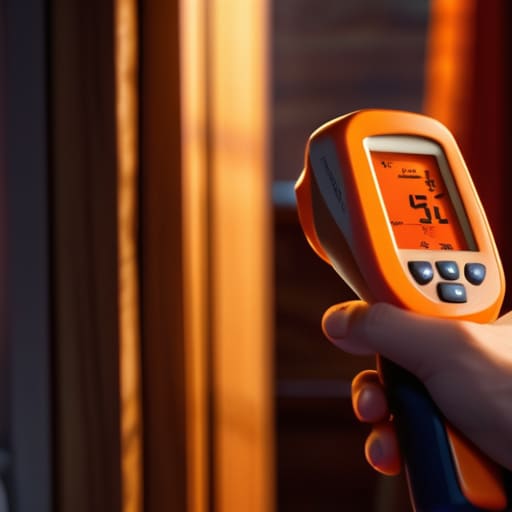
Most people think “going green” requires a massive solar array or a complete house renovation, but that’s just not true. When I’m auditing a space, I usually find that the biggest drains aren’t the big-ticket items, but the small, invisible leaks. One of the most effective ways to start lowering utility bills without a huge upfront investment is focusing on air sealing. I always carry my infrared thermometer to these jobs because it’s eye-opening to see how much heat escapes through a single poorly fitted window frame or an unsealed door. Using simple weatherstripping or even just heavy curtains can make a noticeable difference in how much work your heater has to do.
Beyond just blocking drafts, you should look at how you manage the tech you already own. You don’t need to replace everything at once, but when your old fridge finally dies, prioritize energy efficient appliances next time. In the meantime, small shifts—like washing clothes in cold water or unplugging “vampire” electronics—can chip away at your monthly costs. It’s about being intentional rather than just letting energy bleed out of your wallet.
Smart Home Energy Management on a Budget
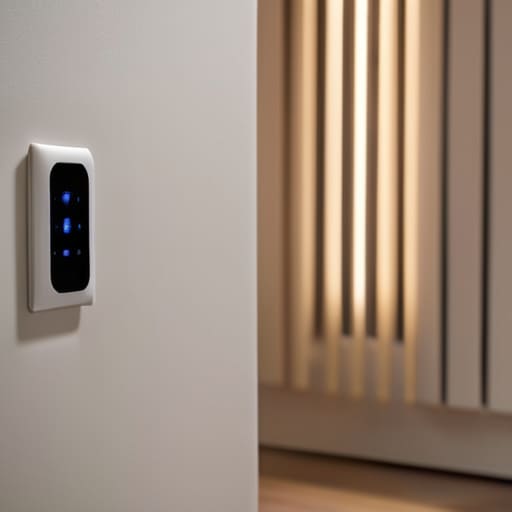
When people hear “smart home,” they usually picture expensive, voice-activated gadgets that cost a fortune. But for me, smart home energy management isn’t about buying the latest tech just for the sake of it; it’s about using basic automation to stop energy bleeding. If you can swing a basic smart plug or a programmable thermostat, you’re already ahead of the curve. These tools allow you to cut power to “vampire” devices that sit in standby mode, ensuring you aren’t paying for electricity you aren’t actually using.
I’ve found that even the simplest automation can make a massive dent in your monthly costs. Instead of leaving your lights or heater running all day, setting a schedule ensures everything shuts down when you’re at work. It’s a low-effort way of reducing your carbon footprint at home without having to manually flip every switch. You don’t need a fully integrated ecosystem to see results; you just need to be intentional about when your devices are drawing power. Small, automated shifts are often much more effective than trying to remember to unplug everything yourself every night.
The Low-Hanging Fruit: Where Your Heat is Actually Escaping
- Grab some weatherstripping and a tube of caulk. I’ve used my infrared thermometer on dozens of apartments, and most of the heat loss isn’t from the windows themselves, but from the tiny, invisible gaps around the frames and door sweeps. Sealing those cracks is the cheapest way to stop heating the neighborhood.
- Stop letting your water heater act like a space heater. If you aren’t using it at full blast, dial that temperature down to about 120°F (49°C). Most factory settings are way too high, and you’re basically paying to boil water you don’t even need.
- Switch to LED bulbs, but do it strategically. Don’t just swap them all at once if you’re on a tight budget; start with the lights in the rooms you use most—the kitchen and living area. It’s a tiny upfront cost that pays for itself in a few months of lower wattage.
- Master the art of “thermal curtains.” In the winter, keep heavy curtains closed as soon as the sun goes down to trap the warmth inside. In the summer, do the opposite—keep them closed during the heat of the day to block solar gain. It sounds basic, but it’s pure physics and costs zero dollars.
- Unplug your “vampire” electronics. Even when they’re off, things like gaming consoles, coffee makers, and old chargers pull a trickle of power. If you aren’t using it, pull the plug or use a cheap power strip to kill the connection entirely. It’s not much individually, but it adds up over a billing cycle.
The Bottom Line for Your Bills and the Planet
You don’t need a massive solar array or high-end smart tech to see results; most of the wins come from spotting and sealing the small, invisible leaks in your daily routine.
Efficiency isn’t a luxury reserved for homeowners with deep pockets—it’s about using data and simple, practical shifts to stop paying for energy you aren’t actually using.
Small, consistent changes in how you manage your space are more effective for your wallet and the environment than waiting for a “perfect” sustainable setup that you can’t afford.
The Real Cost of Convenience
“Energy efficiency isn’t a luxury reserved for people with massive renovation budgets; it’s about closing the gaps—literally and figuratively—so you stop paying for heat that’s just leaking out into the street.”
Tobias Nkemdirim
Cutting the Waste for Good
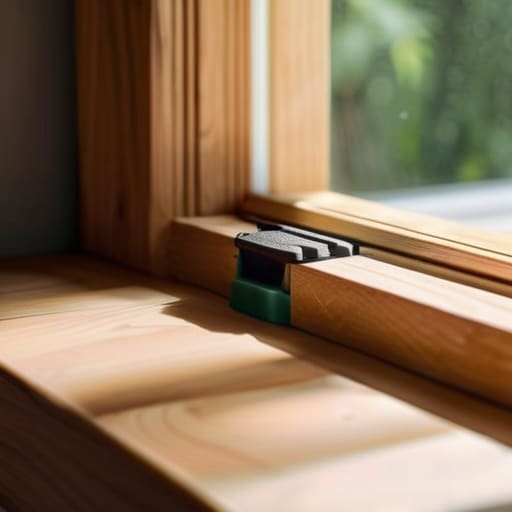
At the end of the day, saving energy isn’t about some massive, expensive overhaul of your entire living space. It’s about the cumulative effect of the small stuff—the smart plugs that kill phantom loads, the weatherstripping that stops your heat from escaping through the cracks, and the simple habit of being mindful of how we use our tech. I’ve seen firsthand through my audits that you don’t need a massive solar array to see a difference; you just need to stop the leaks, both literal and metaphorical. By focusing on these budget-friendly shifts, you’re effectively plugging the holes in your wallet while simultaneously reducing your environmental load.
I know it can feel overwhelming when you look at the global climate crisis, but I want you to remember that sustainability shouldn’t be a luxury reserved for the wealthy. We have to move away from the idea that convenience is worth the massive waste it generates. Every time you choose a more efficient way to heat a room or optimize a device, you’re making a choice to live more intentionally. It’s about taking control of your own space and your own costs. Let’s stop letting energy slip through our fingers just because it’s easy, and instead, start building homes that are actually built to last.
Frequently Asked Questions
If I'm renting, what are some low-cost ways to improve efficiency without making permanent changes to the property?
Since you can’t go tearing out walls or swapping windows, you have to focus on “non-invasive” fixes. I always tell my rental clients to start with heavy thermal curtains—they’re a game changer for blocking drafts. Grab some adhesive weatherstripping for door frames and window gaps; it’s cheap and peels right off when you move. Also, use draft stoppers at the base of doors. It’s not high-tech, but it stops the heat from literally leaking out.
How can I tell if my energy is actually being wasted through heat leaks versus just having an inefficient appliance?
It’s a common point of confusion, but the distinction is actually pretty easy once you know what to look for. Heat leaks are about your building’s “envelope”—think drafts around windows or gaps in floorboards. I usually grab my infrared thermometer to spot these; if I see a sudden temperature drop near a wall or frame, that’s a leak. Inefficient appliances, however, are about consumption. If a fridge is running constantly or a heater feels weak despite being on high, that’s a hardware issue, not a leak.
Which smart home devices actually provide a decent return on investment, and which ones are just expensive gimmicks?
Look, I’ve seen too many people drop hundreds on “smart” gadgets that do nothing but look cool on a phone app. If you want a real ROI, stick to smart thermostats and smart plugs for your heavy hitters—like space heaters or old fridges. They actually track usage and cut waste. Avoid the flashy ambient lighting or smart appliances that don’t offer granular data. If it doesn’t help you see where the power is leaking, it’s just a gimmick.
