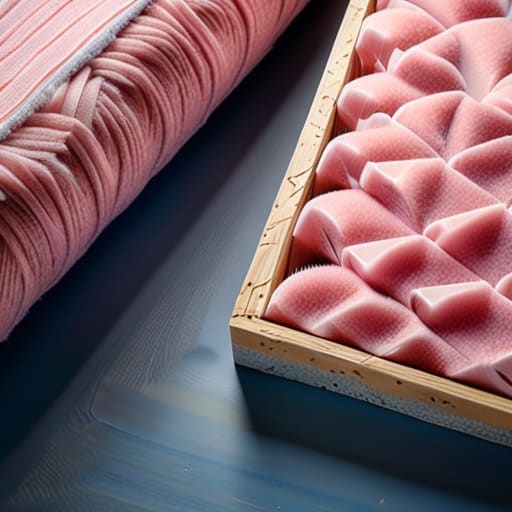
I still remember sitting in my old rental apartment, shivering under three layers of blankets while the radiator hissed uselessly against the draft. I’d watch the money literally vanish through the cracks in the window frames, feeling like I was paying a “poverty tax” just to stay warm. Most people think you need a massive renovation budget to fix this, but that’s a lie. You don’t need to gut your house to see a difference; you just need to understand the actual utility of different home insulation types instead of falling for the most expensive marketing hype.
I’m not here to sell you on high-end, eco-luxury solutions that cost more than your mortgage. My goal is to cut through the jargon and show you which materials actually work for your specific space and budget. We’re going to look at the data behind various home insulation types so you can stop heating the outdoors and start keeping your money where it belongs. No fluff, no unnecessary complexity—just practical ways to make your home efficient without breaking the bank.
Table of Contents
Thermal Resistance Explained Why Your Bills Are Skyrocketing

When I’m auditing a home, the first thing I do isn’t looking at the brand of the heater; it’s looking at the envelope. Most people think they have a heating problem, but they actually have a containment problem. This is where thermal resistance explained becomes crucial. Think of thermal resistance as a barrier’s ability to fight back against temperature transfer. The higher that resistance, the harder it is for the heat you’ve paid for to escape through your walls or attic.
In the industry, we measure this using the R-value. If you’re looking at an R-value comparison guide, you’ll see that a higher number means better performance. I often see renters or budget-conscious homeowners trying to compensate for low R-values by cranking up the thermostat, but that’s just throwing money into a void. Instead of fighting the weather, you need to focus on preventing heat loss at the source. If your insulation can’t hold the line, no amount of high-tech HVAC gear is going to stop your utility bills from skyrocketing every single winter.
Preventing Heat Loss Without Breaking Your Bank Account
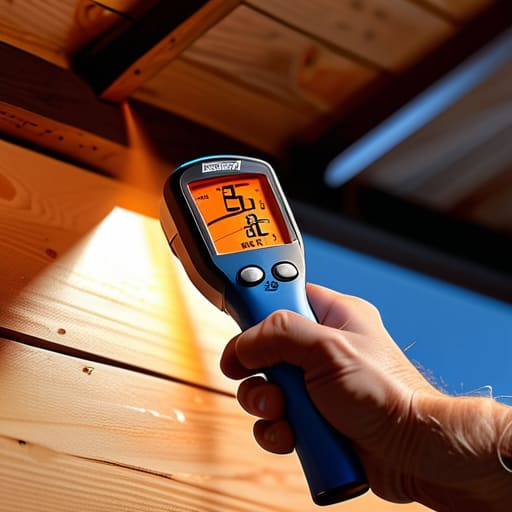
When I walk into a client’s house and pull out my infrared thermometer, I usually see the same thing: heat bleeding out through the gaps in the attic or through thin, outdated wall cavities. Most people think they need a massive renovation to fix this, but preventing heat loss is actually about targeting the high-impact areas first. You don’t need to strip your house to the studs to see a difference in your monthly utility bill.
If you’re working with a tight budget, I usually recommend looking into blown-in cellulose insulation. It’s a fantastic, eco-friendly option that fills those hard-to-reach nooks and crannies in your attic much more effectively than traditional batts. While some people get caught up in the debate of spray foam vs fiberglass, the real trick is matching the material to your specific space and budget. I always tell my clients to look at an R-value comparison guide before they buy anything; it’s the only way to ensure you’re actually getting the thermal protection you’re paying for rather than just throwing money at a problem.
My Go-To Strategies for Finding the Right Insulation
- Focus on your “envelope” first. Before you buy expensive rolls of fiberglass, use my infrared thermometer to find exactly where the heat is escaping—usually around window frames or attic hatches—so you aren’t wasting money on materials where they aren’t needed.
- Don’t sleep on blown-in cellulose for attics. It’s often more affordable than rigid foam boards and uses recycled paper, making it a win for both your budget and the planet.
- Check your floorboards if you’re in an older rental or house. Adding a layer of mineral wool under floorboards can stop that nasty draft coming up from the crawlspace, which is a total game-changer for keeping your feet warm.
- Avoid the “more is better” trap. You don’t need the thickest, most expensive spray foam to see results; sometimes a well-placed layer of rock wool provides better thermal resistance for a fraction of the cost.
- Think about the gaps, not just the big spaces. Small cracks in walls can be filled with simple expanding foam, which is a cheap, quick way to supplement your main insulation layers and stop those tiny energy leaks.
The Bottom Line on Insulation
Insulation isn’t a luxury; it’s a practical tool to stop your money from literally leaking through your walls and ceiling.
You don’t need to overhaul your entire house at once—start by identifying your biggest heat leaks with a simple thermometer or even just your hands.
The goal is to find the balance between cost and R-value that fits your specific budget, ensuring you get the most thermal bang for your buck.
## The Real Cost of Doing Nothing
“I’ve stood in rooms where the thermostat is cranked to max, yet you can still feel the chill bleeding through the walls. Most people think they have a heating problem, but usually, they just have an insulation problem—they’re essentially paying to heat the neighborhood instead of their own living room.”
Tobias Nkemdirim
The Bottom Line on Insulation
At the end of the day, picking the right insulation isn’t about finding the most expensive material on the market; it’s about matching the right solution to your specific home and budget. Whether you decide to go with blown-in cellulose for those hard-to-reach attic gaps, or you opt for rigid foam boards to seal up a drafty basement, the goal remains the same: stopping the bleed. I’ve seen too many people waste hundreds of dollars every winter simply because they ignored the thermal envelope of their house. By understanding R-values and identifying where your heat is actually escaping, you can make data-driven decisions that pay for themselves in much lower utility bills.
I know that looking at home efficiency can feel overwhelming, especially when you’re trying to balance a tight budget with a desire to do better for the planet. But remember, sustainability shouldn’t be a luxury reserved for people with massive bank accounts. Every small upgrade you make, from a simple weatherstrip to a more robust layer of fiberglass, is a win for your wallet and a win for the environment. Don’t wait for a “perfect” time to start; just start where you are. You have the power to turn your home from a sieve into a sanctuary, one smart, efficient choice at a time.
Frequently Asked Questions
I live in a rental apartment—can I actually install insulation, or am I stuck with whatever the landlord provided?
Look, I get it. I spent years in a rental that felt more like a walk-in freezer than a living room. Since you can’t tear down walls to add fiberglass batts, you have to get creative with “non-invasive” solutions. Think heavy thermal curtains, draft stoppers for doors, or even window insulation film. It’s not as permanent as a full retrofit, but it stops the heat from escaping without risking your security deposit.
Which insulation type is actually the most cost-effective if I'm looking for the fastest return on my investment?
If you want the fastest ROI, focus on your attic first. It’s usually the biggest culprit for heat loss, and blowing in cellulose or adding fiberglass batts is relatively cheap compared to a full-scale renovation. I’ve seen people spend thousands on fancy windows only to realize their attic was basically a sieve. Fix the ceiling of your living space first; it’s the quickest way to see your utility bills actually drop.
Are there specific materials I should avoid if I'm trying to keep my home's carbon footprint as low as possible?
If you’re prioritizing a low footprint, steer clear of high-embodied carbon materials like spray foam or certain rigid polystyrene boards. They’re effective, but the energy required to manufacture them is massive. I usually recommend looking toward natural alternatives instead. Think sheep’s wool, hemp, or cellulose made from recycled paper. They perform great, they’re much easier on the planet, and they don’t leave behind that heavy chemical footprint most synthetic options do.
