I remember sitting in my old rental apartment, shivering through a February freeze while staring at a utility bill that made absolutely no sense. I had the heat cranked, yet the numbers kept climbing. It wasn’t just the radiator; it was the silent, invisible drain of everything plugged into the walls. I grabbed my infrared thermometer, thinking I’d find a drafty window, but what I actually found was a house full of “ghost” loads. We’ve been told that saving power requires expensive solar arrays or high-tech smart homes, but that’s a lie. Most of the waste is much simpler: it’s the idle chargers, the blinking microwave clocks, and the standby lights. Real vampire energy reduction isn’t about buying your way into sustainability; it’s about stopping the bleed from the gear you already own.
I’m not here to sell you on some overpriced “green” gadget that just ends up in a landfill. My goal is to give you the practical, data-backed ways to kill those phantom loads without turning your life upside down. I’ll show you exactly which culprits to target and how to implement small, smart changes that actually move the needle on your monthly costs. Let’s stop paying for power you aren’t even using.
Table of Contents
Mastering Phantom Load Identification Without Breaking the Bank
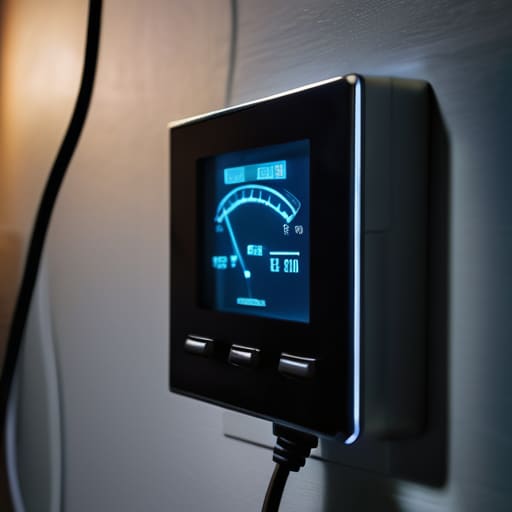
You don’t need a degree in electrical engineering or a massive budget to figure out where your money is leaking. I usually start with my infrared thermometer, but for most people, the best tool is just a simple, cheap plug-in watt meter. I’ve used these to track everything from my coffee maker to my old gaming console, and the results are always eye-opening. Most people assume if a device is “off,” it’s dead, but phantom load identification is about realizing that “off” often just means “idling.”
Once you’ve spotted the culprits, you have to decide how to handle them. You could go around the house every night manually unplugging everything, but let’s be real—life gets in the way and you’ll eventually stop doing it. This is where the smart power strips benefits actually kick in. A decent power strip can sense when your primary device—like a TV or computer—is in standby mode and automatically cut the flow to the peripherals. It’s a low-effort way of building better energy-efficient appliance habits without having to turn your home into a manual labor camp.
Smart Power Strip Benefits for Your Budget
If you’ve spent any time doing a walkthrough like I do, you know that the “phantom load” usually hides in plain sight—behind your desk or tucked under the TV stand. This is where smart power strips become a legitimate game-changer for your wallet. Unlike a cheap, basic strip that just adds more outlets, a smart version can actually sense when your gear is in standby mode and cut the power entirely. It’s one of the most effective ways to automate reducing household electricity bills without you having to crawl under furniture every single night to unplug things manually.
I’ve started recommending these to almost every client because they bridge the gap between being eco-conscious and actually being busy. You don’t have to be perfect at energy-efficient appliance habits if you have a device doing the heavy lifting for you. By grouping your entertainment system or home office setup into one smart hub, you effectively kill the drain from those idle devices. It’s a small upfront investment, but seeing the drop in your monthly utility statement makes it feel like a total no-brainer.
Low-Cost Tactics to Cut the Cord on Idle Power
- Audit your entertainment center with my infrared thermometer; if that console or soundbar feels warm while it’s “off,” it’s actively pulling current and costing you money.
- Switch your bedroom setup to a single master power strip so you can kill the power to your lamp, charger, and clock with one physical click before you hit the hay.
- Stop leaving your kitchen appliances on standby—modern coffee makers and microwaves are notorious for sipping electricity just to keep their digital clocks glowing.
- Get into the habit of unplugging laptop bricks and phone chargers once the device is at 100%, because those transformers keep drawing power even when nothing is plugged in.
- Use simple, old-school mechanical timers on your seasonal gear or holiday lights to ensure they aren’t running in the middle of the night when nobody is around to see them.
The Bottom Line on Killing Vampire Energy
Stop treating “standby mode” as free—those tiny, constant draws from your chargers and consoles are bleeding your bank account dry every single month.
You don’t need a massive solar array to see results; investing in a few smart power strips is a low-cost, high-impact way to automate your savings.
Use your eyes and a little bit of logic to audit your space; if it has a little glowing light or a digital clock, it’s costing you money even when you aren’t using it.
The Hidden Cost of Convenience
We’ve been conditioned to think that a plugged-in device is a ready device, but most of the time, it’s just a slow leak in your bank account. You don’t need a massive solar array to make a difference; you just need to stop paying for the electricity your gadgets are stealing while you sleep.
Tobias Nkemdirim
Cutting the Cord for Good
At the end of the day, killing vampire energy isn’t about buying a suite of expensive, high-tech gadgets; it’s about changing your relationship with the stuff in your house. We’ve looked at how identifying those phantom loads—the chargers, the idle consoles, the standby TVs—is the first step toward taking control. By swapping out old-school power strips for smart ones and actually taking the time to unplug what you aren’t using, you’re essentially plugging the leaks in your bank account. It’s about moving from passive consumption to active management, ensuring that every watt you pay for is actually doing something useful for you.
I know it can feel like a small, almost insignificant battle when you’re just pulling a plug out of a wall, but these small wins add up to a massive shift. Every bit of power we stop wasting is a direct win for your monthly budget and a much-needed break for the grid. Living sustainably shouldn’t be a luxury reserved for people with massive solar arrays and designer eco-homes. It’s about the practical, everyday choices we make in our own living rooms. Stop letting your money leak out through the outlets—start reclaiming your power, one plug at a time.
Frequently Asked Questions
I've already unplugged my chargers, but is it actually worth the effort for devices that don't have a standby light?
Honestly? Yes. I’ve used my thermal scanner on setups where nothing was even glowing, and you can still detect a tiny heat signature from the transformer. If a device has a plug, it’s likely drawing a trickle of power just to stay “ready.” It feels like overkill to unplug a toaster, but those micro-draws add up across a whole house. If it’s plugged in, it’s costing you. Just pull the plug.
Are smart power strips actually "set and forget," or am I going to spend more time managing them than I save in electricity?
Honestly, if you buy the cheap ones, you’ll end up babysitting them. But if you get decent ones with “auto-sensing” tech, they really are set and forget. They detect when your TV or console goes into standby and cut the power automatically. I use them for my vintage tech setups—once they’re plugged in, I don’t touch them. You save the mental energy and the cents without having to play technician every night.
If I start unplugging everything, how do I know which appliances are actually the biggest culprits versus the ones that are just barely sipping power?
Look, if you start unplugging everything blindly, you’ll just end up frustrated. To find the real offenders, you need data, not guesswork. I always recommend grabbing a cheap plug-in energy monitor—they’re like a stethoscope for your outlets. Plug an appliance in, let it run its cycle, and watch the wattage. If a device pulls significant power even when it’s “off,” that’s your culprit. Focus on the heavy hitters first; don’t sweat the tiny stuff until the big leaks are plugged.
