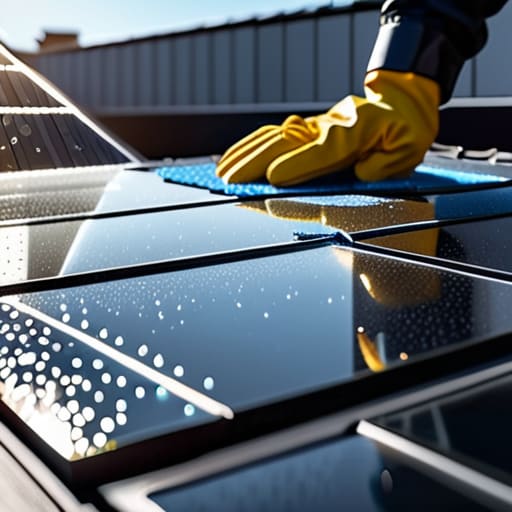
I was standing on a client’s roof last Tuesday, clicking my infrared thermometer against a set of panels that looked perfectly fine to the naked eye, only to see the efficiency numbers tanking. It’s the same frustration I had growing up in that drafty rental; you think you’re doing everything right, but you’re literally leaking money through things you can’t see. Most people think they need a professional crew or some heavy-duty industrial chemical wash to fix this, but honestly, a lot of that high-end marketing is just noise. You don’t need a massive budget to fix a layer of grime; often, the right solar panel cleaning spray is the difference between a system that actually pays for itself and one that’s just an expensive piece of glass sitting on your roof.
I’m not here to sell you on some miracle product that costs a fortune. My goal is to cut through the marketing fluff and show you how to maintain your setup without breaking the bank. I’ll be sharing my no-nonsense breakdown of which sprays actually work, how to apply them without damaging your cells, and how to ensure you’re getting every single watt of free energy possible.
Table of Contents
Preventing Solar Panel Grime to Keep Bills Low
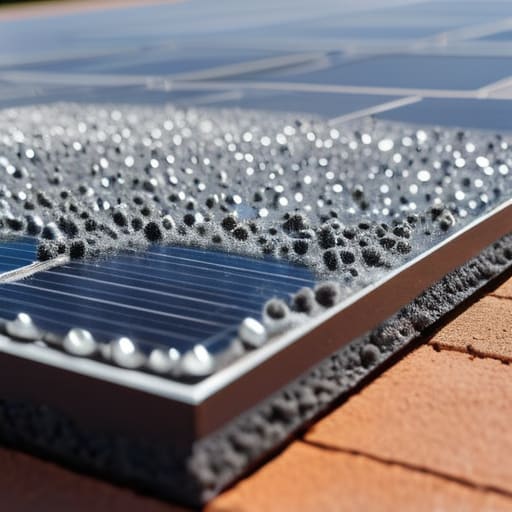
The thing about solar panels is that they’re basically giant magnets for whatever is floating in your local air. If you live near a busy road or in an area with high pollen, that thin layer of film builds up faster than you think. I’ve seen it happen during my audits—people think their system is failing because the output is dropping, but really, they’re just looking at a layer of grit. Preventing solar panel grime isn’t just about aesthetics; it’s about ensuring those photons actually reach the cells instead of getting bounced away by a dusty surface.
To keep things running smoothly, you need to be strategic about how you clean. I always tell people to steer clear of harsh chemicals or stiff brushes that can scratch the glass. Instead, look into non-abrasive solar cleaners that lift the dirt without compromising the surface. If you want to get really proactive, some newer solar panel coating technology can actually help water bead off more effectively, making the self-cleaning process a bit more efficient during rainstorms. It’s all about those small, consistent habits that keep your energy output from dipping.
Maximize Solar Efficiency Without Breaking the Bank
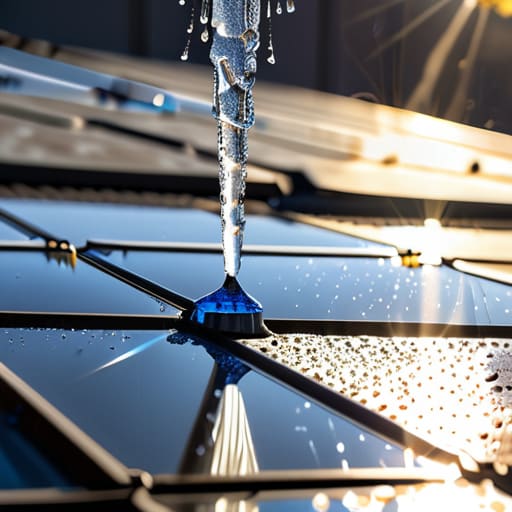
When I’m out doing audits, I often see homeowners who think they’ve hit a plateau with their energy savings, only to realize their hardware is just struggling to breathe through a layer of grit. To truly maximize solar efficiency, you have to look beyond just the occasional rinse. It’s about a consistent rhythm of care. I always tell my clients that photovoltaic cell maintenance shouldn’t be a massive, expensive quarterly project; it’s more about small, manageable habits that ensure your investment actually performs the way the manufacturer promised.
If you’re looking to level up, I’d suggest looking into non-abrasive solar cleaners rather than reaching for whatever harsh chemical is sitting under your sink. Using something too aggressive can actually damage the protective layers on your panels, which is the last thing you want when you’re trying to lower long-term costs. I’ve found that staying on top of the grime is the most cost-effective way of improving energy output without needing to buy more hardware. It’s simple math: cleaner panels mean more juice, which means a faster return on what you’ve already spent.
5 Ways to Keep Your Panels Working Harder
- Skip the harsh detergents; most household soaps leave a film that actually traps more dirt, so stick to a dedicated solar spray that rinses clean.
- Timing is everything—don’t spray your panels in the heat of the midday sun or you’ll deal with water spots that act like tiny magnifying glasses for heat damage.
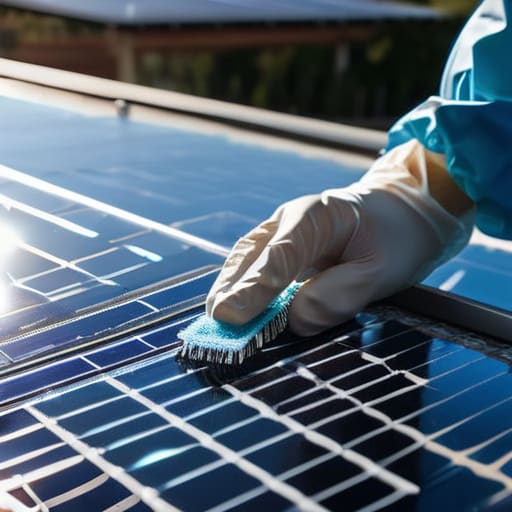
- Use a soft-bristled brush or a microfiber cloth with your spray to avoid micro-scratches that can permanently drop your energy output.
- Check your local water quality first; if you have hard water, use a deionized spray to prevent calcium buildup from blocking the light.
- Don’t wait for a massive buildup to act; a quick, light spray once a month is way more effective (and cheaper) than a heavy-duty scrub once a year.
The Bottom Line on Keeping Your Panels Productive
Don’t let a thin layer of dust or bird droppings act like a tax on your electricity; regular cleaning with a proper spray ensures you’re actually capturing the sunlight you’re paying for.
Skip the harsh chemicals that can damage the glass; stick to a dedicated solar cleaner to protect your investment and keep your efficiency numbers where they should be.
Think of cleaning as a maintenance task, not a chore—a quick spray every few months is a small effort that prevents massive energy waste and keeps your utility bills from creeping up.
## Don't Let Dirt Tax Your Energy
“I’ve seen too many people treat solar panels like ‘set and forget’ appliances, but if you let a layer of grime build up, you’re essentially paying a hidden tax on every kilowatt you fail to capture. A decent cleaning spray isn’t a luxury; it’s a tool to make sure the hardware you already invested in actually does its job.”
Tobias Nkemdirim
Keeping the Momentum Going
At the end of the day, maintaining your solar setup doesn’t need to be a massive, expensive undertaking. We’ve looked at how a bit of regular maintenance—specifically using the right cleaning spray—can prevent grime from choking your output and eating into your monthly savings. It’s about moving away from the “set it and forget it” mindset that leads to wasted energy. By choosing a cleaner that actually protects your panels rather than leaving behind harsh residues, you’re ensuring that your investment works as hard as it possibly can. It’s a small, data-backed habit that pays off every time your meter stops spinning quite so fast.
I know it can feel like one small task won’t change much in the grand scheme of the climate crisis, but that’s where we get it wrong. Sustainability isn’t just about the big, flashy tech; it’s about the smart, intentional ways we manage what we already have. Every bit of sunlight you capture instead of letting it bounce off a layer of dust is a win for your wallet and a win for the planet. Don’t let your hard-earned energy go to waste just because of a little bit of dirt. Keep your panels clean, keep your bills low, and let’s make living sustainably a standard, not a luxury.
Frequently Asked Questions
Is it actually worth buying a specialized spray, or can I just use a garden hose and some mild soap?
Look, I get the temptation to just grab the garden hose and some dish soap—it’s easier and cheaper. But here’s the reality: standard soaps can leave a thin film that actually attracts more dust over time, creating a cycle of grime. If you’re on a tight budget, a soft cloth and plain water are fine, but a dedicated spray is worth it for the long game. It breaks down the buildup without leaving that sticky residue.
How often do I really need to clean them to see a noticeable difference in my energy savings?
Honestly, it depends on your environment, but I usually tell people to check them every few months. If you’ve got heavy pollen, dust, or bird droppings building up, you’ll see a drop in efficiency almost immediately. I always say: don’t wait for a massive bill to notice. If you see a visible film of grime, clean them. It’s better to spend twenty minutes cleaning now than losing 10-15% of your power output all month.
Will using a harsh cleaning chemical actually damage the anti-reflective coating on my panels?
Short answer: Yes, absolutely. Don’t do it. Most solar panels have a specialized anti-reflective coating designed to catch as much light as possible, and harsh chemicals—especially anything with abrasives or high acidity—can eat right through that layer. Once that coating is compromised, your efficiency takes a massive hit, and you’re basically paying for hardware that’s underperforming. Stick to a soft brush and plain water; it’s safer for your wallet and your panels.