I still remember sitting in my old rental apartment, shivering under three blankets because the heating bill was more terrifying than the actual cold. I’d stare at my ancient, humming refrigerator and realize it wasn’t just loud; it was literally bleeding money through the walls. There is this massive, annoying myth that upgrading to energy efficient appliances is a luxury reserved for people with massive savings accounts and solar-paneled mansions. Honestly, that’s a lie. Most people think you need to drop five figures on a “smart home” setup to see a difference, but that’s just marketing hype designed to keep you spending.
I’m not here to sell you on some futuristic, overpriced gadget that requires a PhD to operate. My goal is to give you the straight truth based on actual data and the audits I run every day. I’ll show you which upgrades actually move the needle on your utility bills and which ones are just a waste of your hard-earned cash. We’re going to focus on practical, high-impact swaps that respect your budget and your footprint, because living sustainably shouldn’t be a privilege.
Table of Contents
Finding Value in Energy Star Certified Products
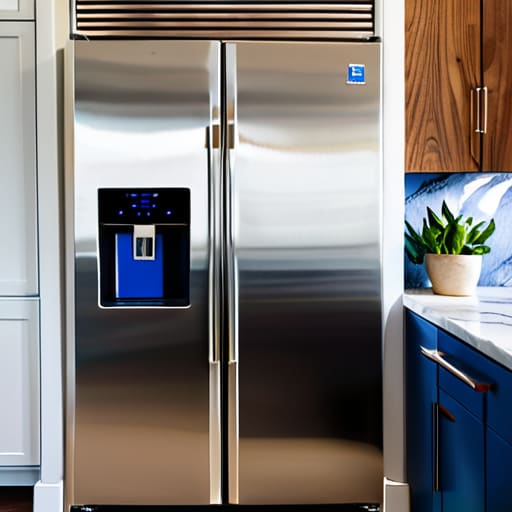
When I’m out on an audit, the first thing I do is look for that little blue Energy Star logo. It’s easy to get caught up in the flashy features of a new fridge or washing machine, but those stickers are basically a shorthand for long-term savings. I’ve seen too many people buy a cheap, low-quality unit only to realize they’re paying a massive premium every month just to keep it running. Investing in Energy Star certified products isn’t just about being eco-friendly; it’s about ensuring the math actually works in your favor over the next five years.
The real value lies in the data. These products are held to strict standards that prioritize reducing utility bills without forcing you to sacrifice performance. I always tell my clients that you shouldn’t have to choose between a clean conscience and a balanced budget. If you’re looking at a new appliance, don’t just look at the price tag on the floor—look at the estimated annual operating cost. That’s where the true impact on your wallet, and your carbon footprint, becomes clear.
Reducing Utility Bills Without Sacrificing Comfort
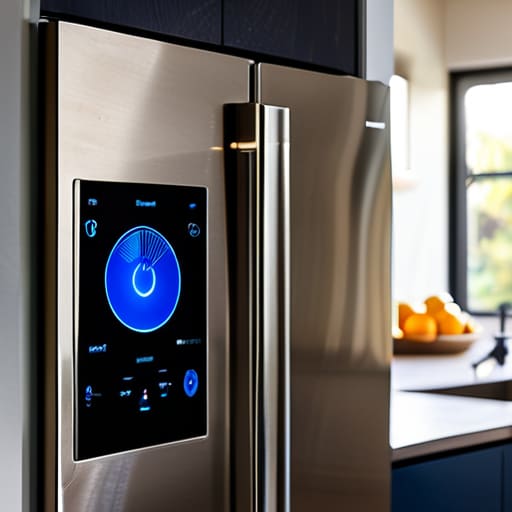
The biggest misconception I run into during audits is that living sustainably means living in a drafty, uncomfortable house. That’s just not true. You can actually achieve significant reducing utility bills without feeling like you’re shivering in your own living room. A lot of it comes down to how you manage the energy you’re already using. For instance, I always suggest looking into smart appliance energy monitoring. It sounds high-tech, but it’s really just about seeing where the invisible leaks are. When you can see exactly which device is spiking your usage at 2:00 AM, you can make a decision based on data rather than guesswork.
Another thing I focus on is the “vampire load”—those little things that stay on standby. Swapping out old, power-hungry gadgets for low wattage household devices is a massive win. It’s not about a total overhaul; it’s about being intentional. I remember my old apartment used to feel like an icebox because we were running outdated, inefficient heaters that barely worked. By making small, calculated shifts in how we powered our daily routines, we kept the place cozy without the massive monthly bill.
5 Low-Effort Swaps to Stop the Energy Drain
- Check the “vampire load” on your electronics. Even when they’re off, things like coffee makers or gaming consoles pull power if they’re plugged in. Use a smart power strip to kill the connection entirely when you aren’t using them.
- Stop preheating your oven for every single meal. If you’re just roasting some veggies or heating up leftovers, use a toaster oven or air fryer instead. They reach temperature much faster and use a fraction of the energy.
- Clean your dryer lint trap after every single load—no excuses. A clogged trap makes your dryer work twice as hard to move heat, which is basically just burning money to dry your clothes.
- Look for induction cooktops if you’re upgrading your kitchen. They’re way more efficient than traditional electric coils because they transfer heat directly to the pan rather than heating up the air around it.
- Don’t run the dishwasher or washing machine until they’re actually full. It’s tempting to run a quick cycle to get things out of the way, but you’re essentially paying for a half-empty machine to do a full-time job.
The Bottom Line on Upgrading Your Gear
Don’t just look at the sticker price; calculate the long-term math by comparing the appliance’s energy draw against your projected monthly utility savings.
Prioritize high-impact swaps—like your fridge or washing machine—over small gadgets, as these heavy hitters are where you’ll actually see the dent in your power bill.
Efficiency isn’t an all-or-nothing game; even choosing a mid-range, highly-rated model is better for your wallet and the planet than sticking with an old, energy-hungry dinosaur.
The Real Cost of Convenience
We often obsess over the sticker price of a new fridge or washing machine, but we completely ignore the “invisible tax” we pay every single month through our utility bills. A cheap, inefficient appliance isn’t actually saving you money; it’s just a slow leak in your bank account.
Tobias Nkemdirim
The Bottom Line on Efficiency
At the end of the day, upgrading your home doesn’t require a complete overhaul or a sudden windfall of cash. We’ve looked at how much sense it makes to hunt for Energy Star certifications and how you can prioritize upgrades that actually impact your monthly overhead without making your life uncomfortable. It really comes down to strategic decision-making—knowing where to put your money so it works harder for you. Whether it’s a smarter fridge or a more efficient washer, every small shift in your tech helps plug those invisible leaks in your budget. Stop viewing these changes as luxury expenses and start seeing them for what they actually are: investments in your own financial stability.
I know it can feel overwhelming when you look at the sheer amount of energy we consume just to maintain a basic level of comfort. But remember, sustainability isn’t about perfection or living in a high-tech, off-grid fortress. It’s about making better choices where we can. I still carry my infrared thermometer everywhere because I know that even the smallest heat leak or a power-hungry appliance is just money escaping into thin air. If you take even one of these steps, you’re already ahead of the curve. Let’s stop letting our hard-earned money vanish into inefficient machines and start building homes that are actually built to last.
Frequently Asked Questions
Is the extra upfront cost of an energy-efficient model actually worth it if I'm on a tight budget?
Look, I get it. When you’re staring at a higher price tag on the showroom floor, it feels counterintuitive to spend more. But here’s the reality: I’ve run the numbers on dozens of audits, and that “extra” cost is usually just a delayed payment to your utility company. If you can swing the upfront hit, the monthly savings almost always make it worth it. If things are truly tight, prioritize the big hitters like your fridge or HVAC first.
How do I know if an appliance is actually saving energy, or if it's just clever marketing?
Look, don’t just trust a shiny sticker. Marketing teams are pros at making “eco-friendly” look easy, but I always look at the actual data. I ignore the buzzwords and hunt for the technical specs—specifically the kilowatt-hours per cycle or annual energy consumption ratings. If a brand won’t give you hard numbers on how much electricity it uses compared to a standard model, they’re likely just selling you a vibe, not real efficiency.
Are there specific appliances that offer the biggest "bang for my buck" when it comes to lowering my monthly bills?
If you’re looking for the biggest impact on your monthly statement, focus on the heavy hitters: your water heater and your HVAC system. These are massive energy hogs. Upgrading to a heat pump water heater or a high-efficiency AC unit can slash your bills significantly. If those are out of budget right now, prioritize your refrigerator and laundry machines. They run constantly or use intense heat, so even small efficiency gains there add up fast.
