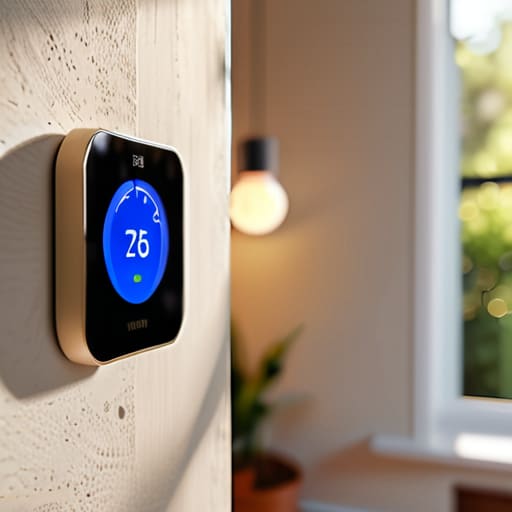
I still remember sitting in my old rental apartment, shivering under three layers of blankets because I couldn’t justify turning the heater on without staring at my bank balance in horror. I’d watch the meter spin like it was possessed, feeling like I was literally burning money just to stay warm. Most people think reducing electricity bills requires a massive investment in solar panels or high-end smart home tech, but that’s a total myth. Honestly, that kind of advice is just a way to gatekeep sustainability for people who are already wealthy.
I’m not here to sell you on expensive gadgets you don’t need. Instead, I’m going to show you how to use a bit of data and some common-sense adjustments to reclaim your budget. We’re going to look at the actual leaks in your home—the ones you can’t see but can definitely feel—and find ways to stop the waste. My goal is to give you a practical, no-nonsense roadmap for cutting costs without sacrificing your comfort or your sanity.
Table of Contents
- Beating Peak Demand Electricity Rates Without Sacrificing Comfort
- Finding Energy Efficient Appliances That Actually Save You Money
- Stop the Silent Leaks: 5 Low-Cost Ways to Reclaim Your Budget
- The Bottom Line on Cutting Costs
- The Real Cost of Convenience
- The Bottom Line on Cutting Costs
- Frequently Asked Questions
Beating Peak Demand Electricity Rates Without Sacrificing Comfort
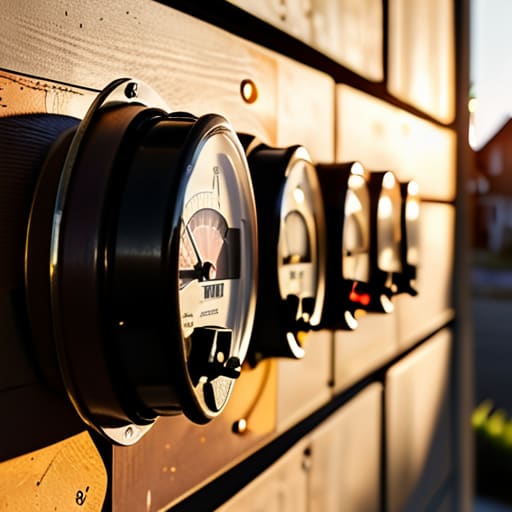
Most people don’t realize they’re being penalized just for living their lives during the wrong hours. When everyone turns on their AC or starts a load of laundry at 6:00 PM, the grid gets stressed, and utility companies slap you with peak demand electricity rates. It’s basically a surcharge for using power when it’s most expensive. I used to struggle with this in my old rental—I’d come home from work, crank the heat, and watch my meter spin like a top.
The trick isn’t to sit in the dark; it’s about shifting your heavy lifting. I always suggest “pre-cooling” or “pre-heating” your space an hour before the peak window hits. If you can invest in a smart thermostat, the smart thermostat benefits are massive here because it can automate that temperature shift without you having to constantly check the clock. It’s about being strategic rather than restrictive. By running your dishwasher or dryer during off-peak hours, you aren’t just saving a few cents—you’re fundamentally changing how you interact with the grid.
Finding Energy Efficient Appliances That Actually Save You Money
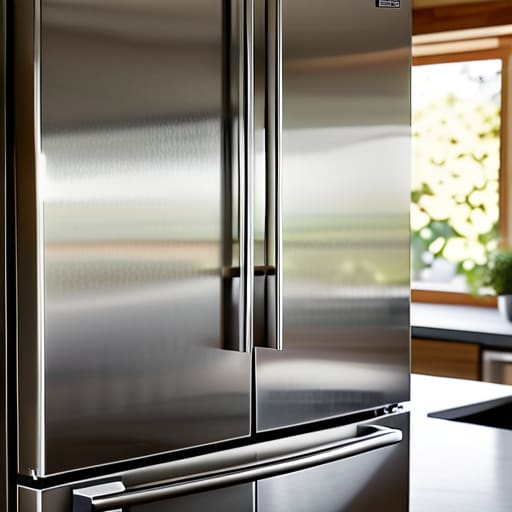
When you’re shopping for new gear, don’t just look at the price tag on the box; look at the long-term math. I’ve seen too many people buy a cheap, old-school fridge thinking they’re saving money, only to realize they’re essentially burning cash every single month to keep it running. Investing in energy efficient appliances is about more than just being “green”—it’s about the math of the lifecycle. Look for the Energy Star ratings and check the estimated annual operating costs. If a high-efficiency model costs an extra $100 upfront but saves you $40 a year on your power bill, it pays for itself in less than three seasons.
While you’re at it, pay attention to what happens when those machines aren’t even running. I often pull out my infrared thermometer during audits and find that certain older electronics are still pulling significant power even when “off.” This is a classic case of phantom energy consumption, where devices slowly bleed money through standby modes. Switching to modern, connected appliances can help mitigate this, but even a simple power strip can act as a kill switch to ensure you aren’t paying for electricity you aren’t actually using.
Stop the Silent Leaks: 5 Low-Cost Ways to Reclaim Your Budget
- Seal the drafts. I’ve spent way too many hours pointing my infrared thermometer at window frames only to find they’re basically sieves for heat. Grab some weatherstripping or even just a heavy draft stopper for your doors; if you can feel a breeze, you’re literally paying to heat the outdoors.
- Kill the “Phantom Load.” It sounds dramatic, but those little standby lights on your TV, microwave, and gaming consoles are constantly sipping power. Use a smart power strip to cut the connection entirely when you aren’t using them—stop letting your outlets bleed money while you sleep.
- Optimize your lighting strategy. If you’re still clinging to old incandescent bulbs, you’re basically running tiny heaters that happen to give off light. Switch to LEDs; they use a fraction of the wattage and actually last long enough to be worth the initial cost.
- Master your thermostat’s “setback” periods. You don’t need to blast the AC or heat when you’re at work or asleep. Even a 2-degree shift during those off-hours can shave a noticeable chunk off your monthly bill without making your living space uncomfortable.
- Clean your filters religiously. Whether it’s your HVAC system or your fridge coils, dust buildup forces your appliances to work twice as hard to do the same job. A clean machine is an efficient machine, and efficiency is the only way to keep those utility costs from spiraling.
The Bottom Line on Cutting Costs
Stop treating electricity as an infinite resource; by timing your heavy usage to avoid peak rates, you’re essentially stopping a slow leak in your bank account.
Don’t just look at the price tag on a new appliance—look at the long-term math of its energy rating to ensure it’s actually saving you money, not just sitting there costing you more.
Sustainability doesn’t require a massive renovation; small, data-backed shifts in how you manage your home’s power are the most effective way to lower both your bills and your footprint.
The Real Cost of Convenience
“We’ve been conditioned to think that wasting energy is just a part of modern life, but every kilowatt you lose to a drafty window or an idle appliance is literally money leaking out of your pocket. Efficiency isn’t about living in the dark; it’s about being smart enough to stop paying for waste.”
Tobias Nkemdirim
The Bottom Line on Cutting Costs
Look, we’ve covered a lot of ground, from timing your heavy appliance use to avoid those nasty peak rates to making sure you aren’t buying “efficient” tech that actually costs more in the long run. It isn’t about making one massive, expensive overhaul to your house; it’s about the cumulative effect of these smaller, smarter decisions. When you stop ignoring the leaks—both the literal ones in your walls and the metaphorical ones in your electricity usage—you start seeing the difference in your bank account almost immediately. Efficiency isn’t a luxury; it’s a series of tactical wins that add up over time.
At the end of the day, my goal is to show you that living sustainably doesn’t require a massive budget or a PhD in engineering. It just requires being a bit more observant of how you interact with your space. Every time you choose a more efficient path, you are reclaiming your hard-earned money and proving that small-scale change actually works. Don’t feel like you have to do everything at once. Just pick one thing, fix it, and move to the next. Let’s stop letting our money—and our planet—go to waste just because it’s the path of least resistance.
Frequently Asked Questions
I've already swapped my bulbs to LEDs, but why is my bill still higher than it should be?
Look, I get it. Swapping to LEDs feels like a massive win, but it’s usually just scratching the surface. I’ve pulled my infrared thermometer out on dozens of homes where the lights were efficient, but the heat was escaping through drafty window frames or uninsulated attic hatches. If you aren’t addressing “phantom loads” from plugged-in tech or fixing those invisible thermal leaks, you’re still paying for energy that’s literally vanishing into thin air.
Is it actually worth investing in smart plugs and timers, or is that just more tech clutter?
Look, I get the skepticism. I love vintage tech, but I hate clutter that doesn’t perform. If you’re just buying them to play with an app, skip it. But if you have that old coffee maker or a lamp that stays on all night, they’re worth it. I use them to kill “vampire loads”—that silent power draw from devices on standby. It’s not about the gadget; it’s about ensuring nothing draws power unless you actually need it.
How can I tell if my old appliances are actually "energy hogs" or if it's just my usage habits?
It’s a fair question. I usually tackle this by looking at two things: the label and the load. First, check for the Energy Star rating—if it’s pre-2010, it’s likely a hog. But to be sure, grab a cheap plug-in energy monitor. If your fridge is pulling massive spikes even when it’s not fully loaded, the appliance is failing you. If the draw is steady but high, it’s likely just your usage habits.
