Blog

  • How to Stop Vampire Power Consumption

    How to Stop Vampire Power Consumption

    I was sitting in my old rental apartment last February, shivering under three blankets while staring at a utility bill that made absolutely no sense. I had the heat cranked, yet the math just didn’t add up. That’s when I pulled out my infrared thermometer and realized it wasn’t just the drafty windows; it was the silent, constant drain from every single plugged-in gadget in the room. We’ve been told that saving energy requires massive solar arrays or expensive smart-home ecosystems, but that’s a lie designed to sell hardware. The truth is much simpler and much more annoying: you are losing money to vampire power every single night while you sleep.

    I’m not here to sell you a high-tech gadget or some complicated lifestyle overhaul that costs more than it saves. My goal is to give you the straightforward, data-driven reality of how much these idle electronics are actually bleeding your bank account dry. I’m going to show you exactly which culprits to hunt down and the low-cost, practical ways to kill that phantom drain for good. Let’s stop letting your electricity go to waste just because it’s convenient.

    Table of Contents

    Identifying the Hidden Energy Consumers in Your Living Room

    Identifying the Hidden Energy Consumers in Your Living Room.

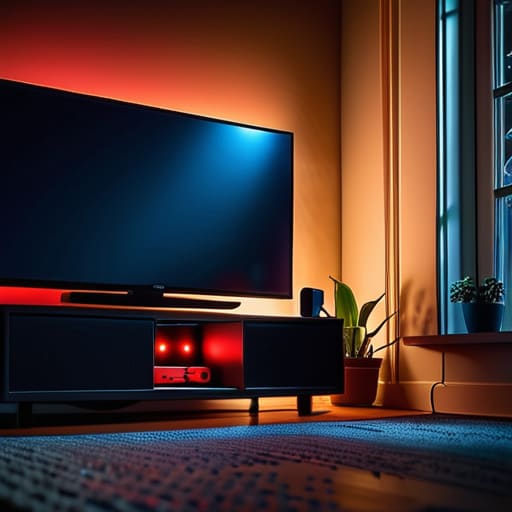
    I usually start my audits by scanning the living room, because that’s where the most hidden energy consumers tend to hide in plain sight. Take your entertainment center, for example. Even when the TV is off, that little glowing red LED or the digital clock on your soundbar tells me everything I need to know: they are still pulling juice. It’s not just the big screens, either; it’s the gaming consoles sitting in “rest mode” and the streaming sticks plugged into the back. They might seem harmless, but that constant standby power consumption adds up to a significant chunk of your monthly bill.

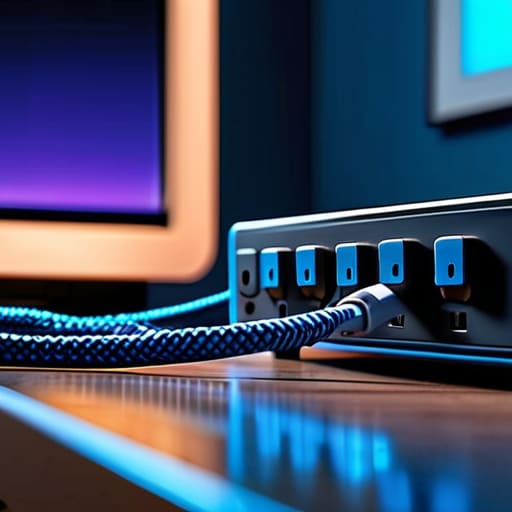
    To really get a handle on this, I recommend doing a quick sweep of your media console. If a device has a remote control or a standby light, it’s likely bleeding energy. While it’s a hassle to pull every plug manually, investing in some quality gear can change the game. I’m a huge advocate for smart power strip benefits here; they allow you to cut the flow to multiple devices with a single switch. It’s a practical way to stop the leak without turning your living room into a maze of wires.

    Why Standby Power Consumption Is Bleeding Your Wallet Dry

    Why Standby Power Consumption Is Bleeding Your Wallet Dry

    Think about it this way: you’re essentially paying a “laziness tax” every single month. When you leave your coffee maker plugged in or keep your gaming console in standby mode, you aren’t just keeping them ready for use; you’re keeping a tiny, invisible circuit running 24/7. This standby power consumption might seem negligible in the moment—just a few cents here and there—but when you multiply that across every gadget in your house over a full year, it turns into a significant chunk of change that could have stayed in your savings.

    I’ve seen this play out during my audits more times than I can count. People are often shocked to realize that their “off” devices are actually contributing to a constant, steady drain on their meter. It’s a slow leak, like a dripping faucet that eventually floods the kitchen. By focusing on reducing household electricity costs through simple habits—like actually pulling the plug or utilizing smart power strip benefits—you stop that leak. It’s not about making massive lifestyle sacrifices; it’s about realizing that convenience shouldn’t come at the expense of your budget.

    5 Low-Effort Ways to Cut the Cord on Phantom Loads

    • Grab some smart power strips for your entertainment setup. Instead of hunting for five different plugs behind your TV stand, one strip can kill the power to your consoles, soundbars, and streaming sticks all at once when you’re done for the night.

    • Get into the habit of unplugging your chargers. I see it all the time during audits—phone bricks left in the wall doing absolutely nothing but sipping electricity. If it’s not connected to a device, it shouldn’t be drawing current.
    • Switch to manual power buttons where you can. Some of the newer, “smart” appliances are designed to stay in a constant state of readiness, which is great for convenience but terrible for your meter. If it has a physical kill switch, use it.
    • Use timers for your seasonal gear. If you have things like holiday lights or even certain desk lamps that stay plugged in, a cheap mechanical timer ensures they aren’t drawing power while you’re asleep or at work.
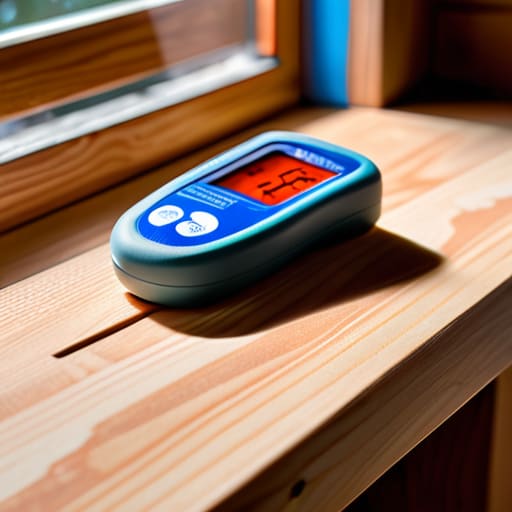
    • Audit your kitchen appliances with a simple plug-in energy monitor. If you want to stop guessing and start knowing, these little devices show you exactly how much a coffee maker or microwave is pulling while in standby mode, so you can decide if it’s worth the cost of unplugging it.

    The Bottom Line: Stop the Leak

    Treat standby mode as a silent drain; if it has a little red light or a digital clock, it’s pulling power even when you aren’t using it.

    Invest in a few smart power strips to kill the connection to your entire entertainment center or home office with one single switch.

    Audit your setup regularly—it’s not just about the big appliances, but the cumulative cost of those tiny, idle gadgets that add up to real money every month.

    ## The Invisible Leak

    “Most people think their energy bill is driven by the big stuff—the fridge or the AC—but I’ve seen enough homes to know that it’s often the silent, idle gadgets bleeding your budget dry while you sleep.”

    Tobias Nkemdirim

    Cutting the Cord for Good

    Cutting the Cord for Good to save.

    At the end of the day, tackling vampire power isn’t about some massive, expensive home renovation or installing high-tech solar arrays. It’s about the small, intentional shifts we make in our daily habits—like actually unplugging that gaming console when you’re done or using smart power strips to kill the flow to your media center. We’ve seen how those idle chargers and standby lights act like a slow, invisible leak in your bank account. By identifying these hidden consumers and making the switch to more mindful habits, you aren’t just saving a few extra dollars on your monthly utility bill; you are actively stopping the waste that happens simply because we’ve grown too comfortable with convenience.

    I know it can feel like a chore to walk around the house checking plugs, but I promise you, the math adds up. Every watt you reclaim is a win for your budget and a win for the planet. We don’t need to be perfect, and we certainly don’t need to be wealthy to live more sustainably. We just need to be observant. If we all stop letting our electronics bleed us dry, we can collectively make a massive dent in unnecessary energy demand. So, grab a power strip, start with one room, and take control of your consumption starting today.

    Frequently Asked Questions

    Are there specific types of appliances that are worse "vampires" than others?

    Not all vampires are created equal. If you’re looking for the biggest culprits, start with anything that has a digital clock or a remote sensor. Your microwave, coffee maker, and that big-screen TV are notorious for sipping power 24/7. I’ve also noticed gaming consoles and desktop computers pull a surprising amount of juice even when they’re “off.” They might seem idle, but they’re actually just waiting in a high-energy standby mode.

    Is it actually worth the effort to unplug everything, or should I just invest in smart power strips?

    Look, if you’re a perfectionist, unplugging everything works, but let’s be real: most people won’t actually do it. For a busy household, smart power strips are the better play. They automate the process by cutting power to peripherals when your main device is off. It’s a small upfront cost that pays for itself in saved kWh. Use the manual unplugging method for things you rarely use, but automate the rest. Efficiency shouldn’t be a chore.

    Will turning my devices off at the wall actually shorten their lifespan or damage the electronics?

    I get this question a lot during my audits. The short answer? No, you aren’t going to fry your tech. Modern electronics are designed to handle power cycles. In fact, cutting the power at the wall can actually protect your gear from unexpected voltage surges during storms. If you’re worried about a specific high-end component, just use a smart power strip. For everything else, stop worrying about the “damage” and start saving that extra cash.

  • Ways to Improve Home Energy Efficiency

    Ways to Improve Home Energy Efficiency

    I still remember the biting chill of my first rental apartment—a place where the heater ran constantly, yet I still spent my evenings huddled under three blankets just to stay warm. I’d sit there, watching my bank account drain alongside the heat escaping through cracks I couldn’t even see, feeling like I was literally paying to heat the outdoors. Most people think achieving home energy efficiency requires a massive renovation or a sudden windfall of cash to install solar arrays and smart glass, but that’s a lie sold by people who don’t care about your monthly budget.

    I’m not here to sell you on expensive, high-tech gadgets that take years to pay for themselves. Instead, I’m going to show you how to use a bit of data and some practical, low-cost tactics to stop the leaks in your wallet and your living space. We’re going to focus on the small, smart adjustments that actually move the needle, ensuring you can live sustainably without breaking the bank.

    Table of Contents

    Lowering Utility Costs Through Simple Smart Habits

    Lowering Utility Costs Through Simple Smart Habits

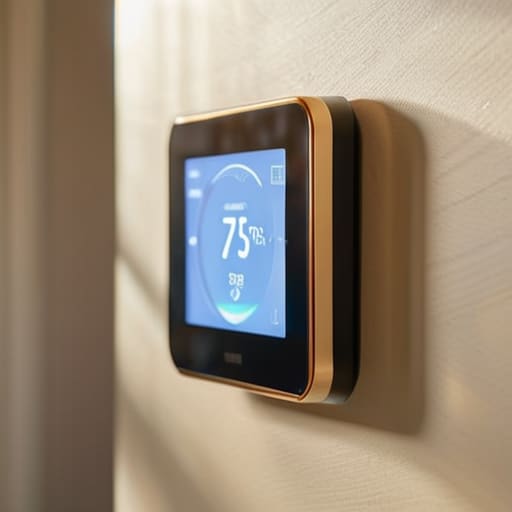
    Most people think saving money on power requires a massive overhaul, but I’ve learned that the biggest leaks in your budget often come from mindless daily habits. I remember sitting in my old apartment, shivering while the heater ran full blast because I couldn’t be bothered to adjust it. Now, I suggest starting with something as simple as a schedule. One of the biggest smart thermostat benefits is the ability to automate your climate control so you aren’t heating an empty house. It’s about being intentional; if you aren’t in the room, the energy shouldn’t be either.

    Beyond the tech, it’s about how you interact with your existing gear. I always tell my clients to keep an eye on their laundry and dishwasher habits. Running these machines only when they are actually full might seem like a minor chore, but it’s a massive step toward lowering utility costs over a single year. It’s not about living in the dark; it’s about stopping the invisible drain on your bank account by making sure every kilowatt you pay for is actually doing something useful.

    Why Home Insulation Upgrades Are Worth Every Penny

    Why Home Insulation Upgrades Are Worth Every Penny

    I’ve spent more hours than I’d like to admit pointing my infrared thermometer at drafty window frames and poorly insulated attic hatches. What I always find is the same story: you’re essentially paying to heat the outdoors. While people often jump straight to buying fancy energy efficient appliances, those high-tech gadgets can only do so much if your home’s thermal envelope is a sieve. Investing in home insulation upgrades is the most logical move you can make because it addresses the root cause of energy loss rather than just treating the symptoms.

    Think of it as the foundation of your entire setup. If you seal the leaks first, your heating and cooling systems don’t have to work overtime just to fight a losing battle against the weather. This isn’t just about lowering utility costs—though that’s a massive win for your bank account—it’s about creating a stable environment. When your home actually holds onto the temperature you set, you’re reducing your carbon footprint at home by sheer necessity. It’s the most practical way to stop the constant cycle of wasting power just to stay comfortable.

    5 Low-Cost Fixes to Stop Your Heat From Escaping

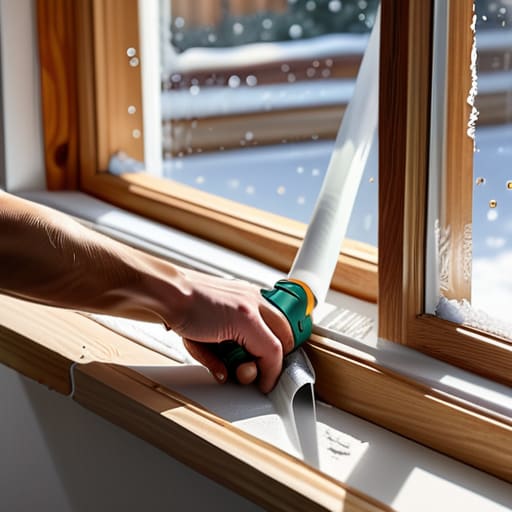
    • Seal the gaps around your windows and doors. I’ve used my infrared thermometer more times than I can count to find those tiny, invisible drafts that turn a cozy room into a wind tunnel; a simple roll of weatherstripping or some caulk can make a massive difference.
    • Switch to LED lighting across the board. It sounds basic, but if you’re still running old incandescent bulbs, you’re essentially paying for a tiny space heater that happens to give off light; LEDs use a fraction of the power and last way longer.
    • Manage your curtains like a pro. Open them wide during the day to let the sun naturally warm your living space, but close them tight as soon as the sun goes down to create an extra layer of thermal protection against the evening chill.
    • Stop letting your water heater work harder than it needs to. Lowering your thermostat by just a few degrees—or making sure it’s not set to a boiling temperature—can shave a decent chunk off your monthly bill without you even noticing the difference in your shower.
    • Unplug your “vampire” electronics. Even when they’re off, things like gaming consoles, coffee makers, and old chargers are constantly sipping power from your outlets; using a power strip to cut the connection entirely is an easy win for your wallet.

    The Bottom Line on Saving Energy

    Efficiency isn’t an “all or nothing” game; small, consistent habit shifts often yield better long-term savings than waiting for a massive renovation you can’t afford.

    Stop treating insulation as a luxury; it’s actually one of the most practical ways to trap your money inside your walls instead of letting it leak out into the atmosphere.

    Use data, not guesswork—tools like an infrared thermometer can show you exactly where your home is failing you, so you aren’t wasting money on fixes that don’t matter.

    The Real Cost of Inefficiency

    Most people think going green requires a massive solar array or a complete home renovation, but the truth is much simpler: every drafty window and unoptimized heater is just a leak in your bank account. Efficiency isn’t about luxury; it’s about making sure the money you work hard for actually stays in your pocket instead of escaping through the cracks in your walls.

    Tobias Nkemdirim

    The Bottom Line

    The Bottom Line: energy efficiency savings.

    At the end of the day, making your home more efficient isn’t about one massive, expensive renovation that breaks the bank. It’s about the cumulative effect of the things we’ve talked about—from the simple, daily habits that stop energy bleed to the long-term, high-impact decision to invest in better insulation. Whether you are sealing a drafty window or finally upgrading your thermostat, every small adjustment is a direct hit against unnecessary waste. I’ve seen it firsthand with my infrared thermometer: you can literally see the heat escaping, and it’s a wake-up call that every degree lost is money gone.

    I know it can feel overwhelming to think about climate change or rising utility rates, but don’t let that paralysis stop you from starting. You don’t need a massive budget to make a meaningful dent in your footprint. Start where you are, use the data you have, and focus on the low-hanging fruit first. Living sustainably shouldn’t be a luxury reserved for the wealthy; it should be a practical standard for everyone. If we all stop letting energy leak out of our homes through sheer convenience, we can collectively build a future that is both economically smart and environmentally sound.

    Frequently Asked Questions

    I've looked into insulation, but how do I know if my specific issue is a lack of insulation or just bad airflow from drafty windows?

    That’s a great question, and honestly, it’s the first thing I do when I walk into a room with my infrared thermometer. Here’s the trick: if you feel a sharp, localized chill near a window frame or door, that’s a draft (airflow). But if the entire wall feels cold to the touch even when the heater is on, that’s an insulation issue. One’s a leak; the other is a lack of thermal mass.

    Are there any specific smart home gadgets that actually save money, or is most of that tech just a gimmick?

    Honestly, a lot of it is hype, but some tech actually pays for itself. Skip the flashy smart fridges. Instead, focus on smart thermostats and smart plugs. A good thermostat learns your schedule so you aren’t heating an empty house, which is a massive win for your wallet. I also use smart plugs for my vintage gear to kill “vampire power” automatically. If it doesn’t directly stop energy from leaking or being wasted, it’s probably just a gimmick.

    If I'm renting, what are some low-cost, non-permanent energy tweaks I can make without losing my security deposit?

    Look, I get it. When you’re renting, you can’t exactly tear down walls or swap out windows. But you also shouldn’t have to freeze just because you don’t own the place. Grab some heavy thermal curtains to block drafts, use adhesive weatherstripping on leaky door frames, and throw down a thick rug over cold floors. These are cheap, totally reversible, and won’t touch your security deposit, but they make a massive difference in keeping the heat in.