Category: Energy

  • Importance of Home Insulation for Temperature Control

    Importance of Home Insulation for Temperature Control

    I still remember sitting in my old rental apartment three years ago, wrapped in two blankets and shivering, while watching the thermostat climb higher and higher. I was literally burning money just to stay warm, and I knew it wasn’t because the heater was broken—it was because my walls were doing nothing to hold that heat in. Most people think that fixing your insulation for homes requires a massive renovation budget or a team of specialists, but that’s a total myth. You don’t need to be wealthy to stop your living room from feeling like a walk-in freezer; you just need to know where the leaks are.

    I’m not here to sell you on expensive, high-tech gadgets that promise the world but barely move the needle on your utility bill. Instead, I’m going to walk you through the practical, data-driven ways to seal up your space without breaking the bank. We’re going to look at the real-world options for insulation that actually work for regular people living in regular houses. My goal is to give you a straightforward roadmap so you can finally take control of your energy costs and live in a home that actually stays comfortable.

    Table of Contents

    Understanding R Value Explained Without the Confusing Jargon

    Understanding R Value Explained Without the Confusing Jargon

    When I’m out on an audit, I usually see people staring at product labels like they’re reading ancient hieroglyphics. They see “R-value” and immediately tune out. But if you want to master reducing heating bills, you have to understand this one number. Think of the R-value as a measure of a material’s ability to resist heat flow. The higher the number, the better that material is at preventing heat loss. It’s basically a scorecard for how well a product keeps the warmth inside your living room during a freeze and keeps the summer heat out when things get stifling.

    Don’t get bogged down in the physics, though. Just remember: a higher R-value means better home thermal performance. If you’re looking at different eco-friendly insulation materials, you’ll notice the numbers vary wildly. For instance, a thick layer of cellulose will naturally have a higher rating than a thin sheet of some basic foam. When you’re planning your energy efficiency upgrades, don’t just buy the cheapest option; look for the R-value that actually meets the specific needs of your walls or attic.

    Smart Ways of Preventing Heat Loss on a Budget

    Smart Ways of Preventing Heat Loss on a Budget

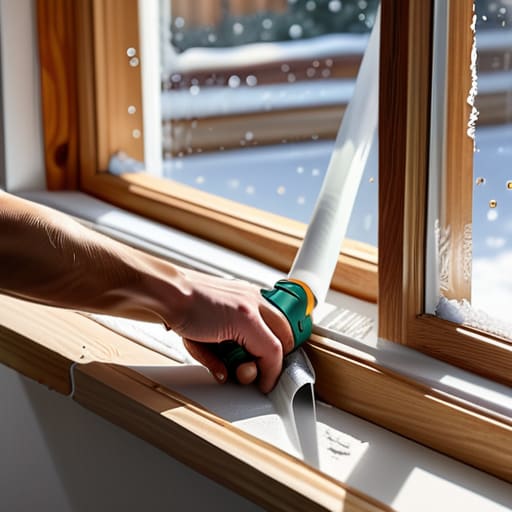
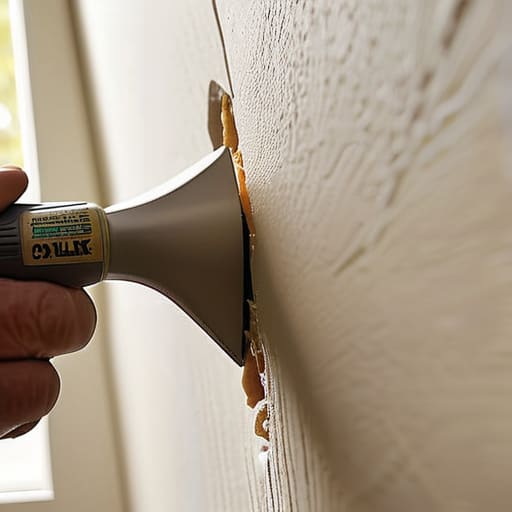
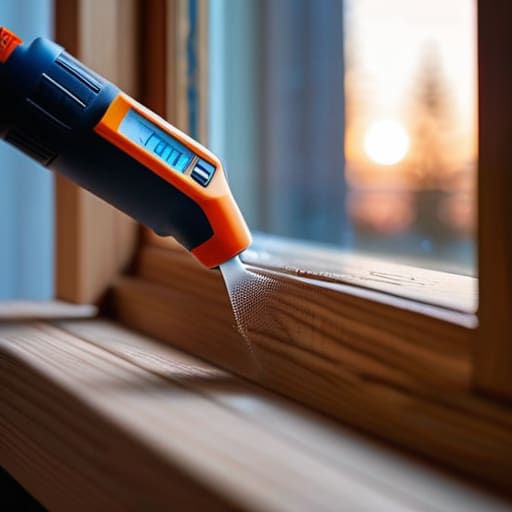
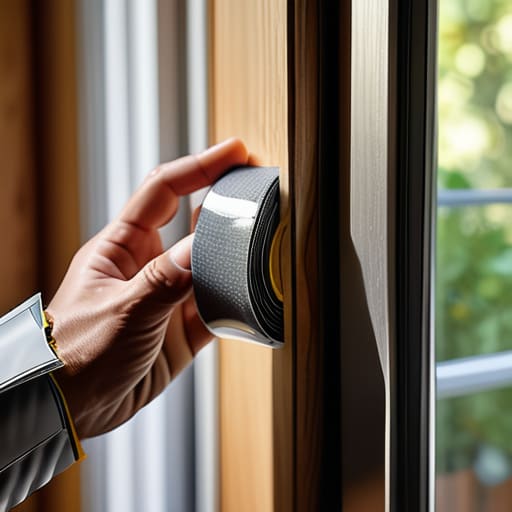
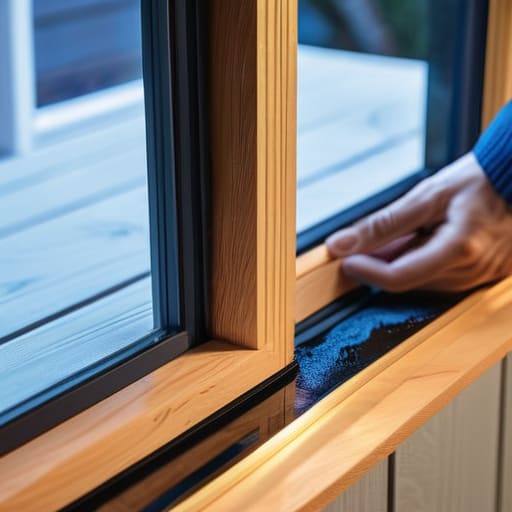
    You don’t need to gut your entire house to see a difference in your monthly statements. When I’m auditing a space, I usually start with the “low-hanging fruit”—the spots where air is actively escaping. A huge culprit is often the gaps around windows and doors. I always recommend grabbing some high-quality weatherstripping or even just using heavy, thermal curtains. It sounds basic, but it’s one of the most effective ways of preventing heat loss without spending a fortune. If you can feel a draft, you’re essentially paying to heat the neighborhood.

    Another budget-friendly move is addressing your attic or crawl spaces. You don’t necessarily need a professional crew to come in and install expensive, high-tech systems right away. Sometimes, simply adding a layer of blown-in cellulose—which is one of those great eco-friendly insulation materials—can drastically improve your home thermal performance. It’s about plugging the leaks first. Once you stop the energy from escaping, you’ll notice that your heating system doesn’t have to work nearly as hard, which is the ultimate win for your wallet and the planet.

    5 Low-Cost Fixes to Stop Your Heat from Escaping

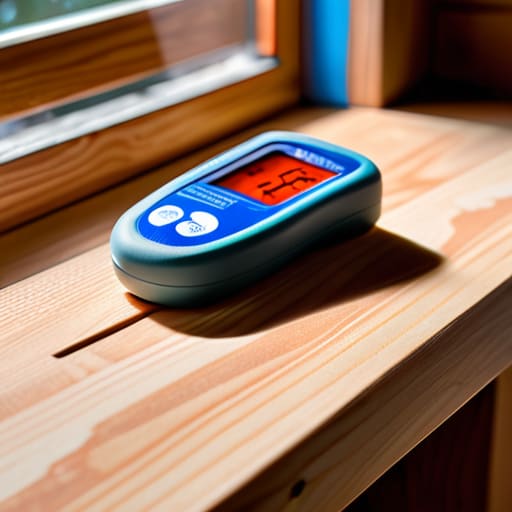
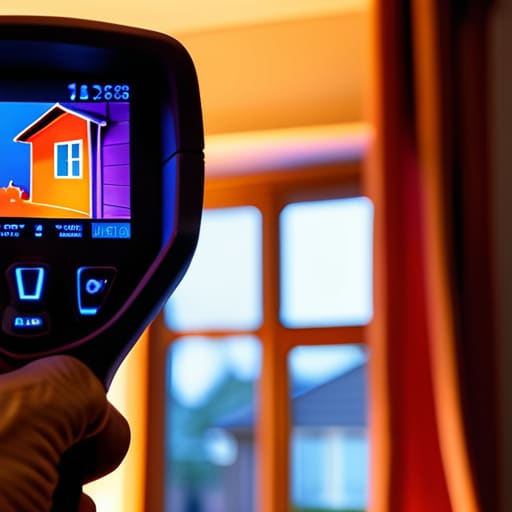
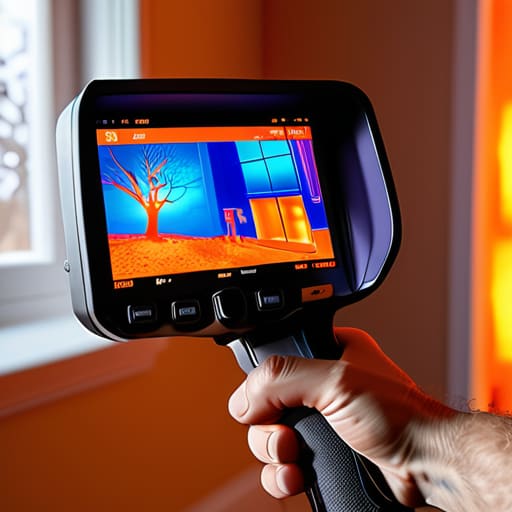
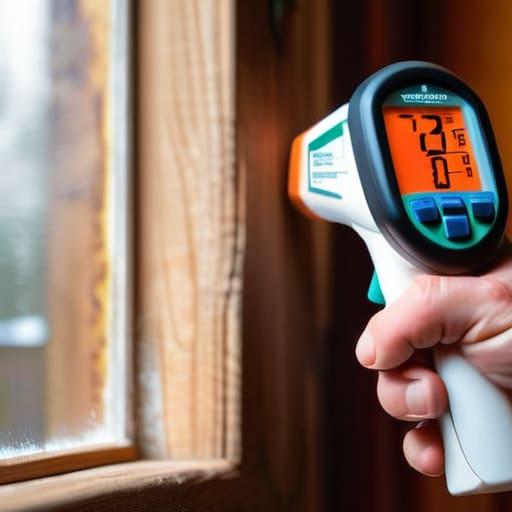
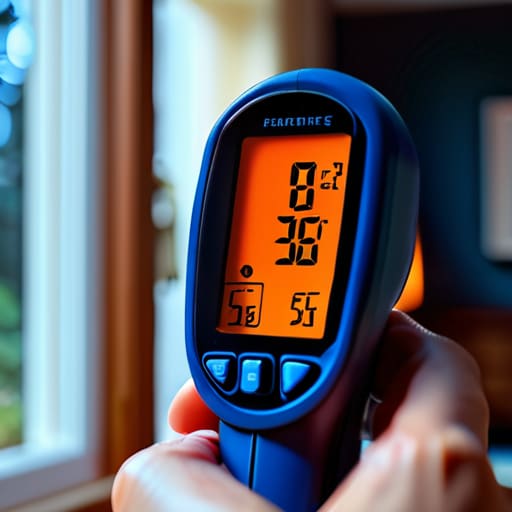
    • Seal the gaps around your windows and doors with weatherstripping. I’ve used my infrared thermometer more times than I can count to find those tiny, freezing drafts that most people just ignore until their heating bill arrives.
    • Don’t forget your attic. If you can crawl up there and see your floor joists, you probably don’t have enough insulation. Adding a few layers of mineral wool or cellulose is one of the highest-impact moves you can make for your wallet.
    • Address your outlets. It sounds weird, but cold air loves to leak through the electrical boxes in your exterior walls. You can grab some cheap foam gaskets at a hardware store and pop them behind the faceplates in about ten minutes.
    • Use heavy curtains or even thermal blinds. It’s a simple way to add an extra layer of defense against the glass, which is usually the weakest link in your home’s thermal envelope.
    • Check your loft hatch. Most people forget that the little door in the ceiling is often just a thin piece of wood that lets heat fly straight out. Adding a bit of insulation to the top of the hatch makes a massive difference.

    The Bottom Line on Insulation

    Don’t get paralyzed by the math; focus on finding the biggest heat leaks first—usually around windows, doors, and attic hatches—to get the fastest return on your investment.

    High R-value doesn’t matter if the installation is sloppy; even the best materials won’t help if you leave gaps where air can just whistle right through.

    Sustainability isn’t about buying the most expensive eco-gadgets; it’s about making smart, incremental upgrades that stop you from paying to heat the outdoors.

    The Real Cost of Doing Nothing

    “I’ve spent too many nights pointing an infrared thermometer at drafty corners to realize that poor insulation isn’t just a comfort issue; it’s a slow leak in your bank account. You aren’t just losing heat; you’re paying to heat the neighborhood.”

    Tobias Nkemdirim

    The Bottom Line

    The Bottom Line for home insulation savings.

    At the end of the day, fixing your home’s insulation isn’t about chasing some perfect, high-tech architectural ideal. It’s about the basics: understanding your R-values so you aren’t guessing, and finding those budget-friendly gaps where your money is literally leaking out into the atmosphere. Whether you’re sealing a drafty window frame or finally tackling that attic space, every small adjustment counts toward a more stable indoor temperature and a significantly lower utility bill. You don’t need to overhaul your entire house overnight; you just need to start where it makes sense for your wallet.

    I still remember those freezing winters in my old rental, feeling like I was fighting a losing battle against the cold every single night. It’s frustrating, but it’s also fixable. Making your home more efficient shouldn’t be a luxury reserved for people with massive savings accounts. By taking these steps, you aren’t just saving money—you’re taking control of your space and your environmental footprint. Let’s stop letting our hard-earned cash vanish through the cracks and start building homes that are actually built to last. It’s time to make sustainability practical.

    Frequently Asked Questions

    How do I know if my insulation is actually working or if I'm just heating the outdoors?

    The easiest way to tell? Grab my handheld infrared thermometer. If I point it at a wall and the temperature drops significantly compared to the center of the room, you’ve got a thermal bridge—meaning your heat is escaping. If you notice drafts near outlets or if your heater is running constantly just to maintain a baseline temp, your insulation is failing. Basically, if you’re paying to heat the street, your barrier is broken.

    Is it worth spending money on attic insulation if my walls are already pretty well-insulated?

    Honestly? Yes. I’ve seen plenty of homes where the walls are solid, but the attic is basically a giant chimney for heat. Heat rises—it’s basic physics. If your attic insulation is thin or non-existent, all that warmth you’re paying for is just leaking straight through the roof. Think of your home like a thermos; it doesn’t matter how thick the sides are if the lid is missing. Fix the attic first.

    Can adding more insulation actually cause moisture or mold problems in an older home?

    It’s a valid fear, and honestly, it’s one I see too often during my audits. In older homes, the walls need to “breathe.” If you slap heavy insulation against an old masonry wall without a proper vapor barrier or ventilation, you trap moisture. That trapped dampness is a recipe for mold. Before you go full-scale, always check your airflow. It’s better to do a targeted, breathable upgrade than to seal yourself into a damp box.

  • Benefits of Installing Solar Panels for Homes

    Benefits of Installing Solar Panels for Homes

    I remember sitting in my old rental apartment, shivering through a February freeze because I was too terrified to turn up the heat and watch my utility bill skyrocket. It’s that same feeling of being trapped by energy costs that makes most people look at solar panels for homes and see nothing but an impossible luxury for the rich. You’ve probably seen the glossy brochures promising total energy independence, but they rarely mention the massive upfront costs or the confusing jargon that makes your head spin. I’m tired of the industry acting like you need a six-figure savings account just to stop bleeding money every single month.

    I’m not here to sell you a dream or a high-pressure sales pitch. My goal is to strip away the hype and give you the data-driven reality of what solar actually looks like for a normal budget. I’ll show you how to evaluate the math, avoid the common installation traps, and determine if it’s actually a smart financial move for your specific house. We’re going to focus on making solar work for your wallet, not just your lifestyle.

    Table of Contents

    A Real Solar Panel Cost Breakdown Without the Fluff

    A Real Solar Panel Cost Breakdown Without the Fluff

    When I walk into a house for an audit, I usually see people staring at a single, massive number on a quote and panicking. But if you want to actually understand where your money is going, you need a proper solar panel cost breakdown. You aren’t just buying glass and silicon; you’re paying for the mounting hardware, the inverter, the labor, and the permitting. I always tell my clients to look past the sticker price and focus on the hardware itself. A huge chunk of your initial investment goes toward the panels, but the “hidden” costs—like the electrical work required to tie everything into your existing panel—are what often catch people off guard.

    It’s easy to get distracted by high-end add-ons, but you have to prioritize. For instance, while solar battery storage solutions are great for total independence, they can easily double your upfront costs. If you’re on a tight budget, I suggest focusing first on maximizing your photovoltaic system efficiency through quality components rather than buying every gadget on the market. You want a setup that pays for itself through lower bills, not one that leaves you cash-strapped from day one.

    How Residential Solar Tax Credits Shrink Your Initial Investment

    How Residential Solar Tax Credits Shrink Your Initial Investment

    When I’m auditing a house, I usually see people staring at the total quote for a new setup and immediately backing away. It’s a massive number, I get it. But what most people miss is that the sticker price isn’t the final price you actually pay. This is where residential solar tax credits change the math entirely. Think of it like a massive rebate that comes straight back to you through your tax returns. Instead of that entire cost sitting on your shoulders, the government effectively chips in a significant chunk to help offset the upfront hit.

    It’s not just about getting money back; it’s about shortening your payback period. If you’re looking at a detailed solar panel cost breakdown, you’ll see how much of that initial capital is actually being recovered. By leveraging these credits, you’re essentially lowering the barrier to entry for a system that will eventually pay for itself through reduced monthly bills. It turns a daunting long-term investment into a much more manageable financial move, making it possible to transition to clean energy without needing a massive inheritance to do it.

    5 Ways to Make Solar Actually Pay Off (Without Breaking the Bank)

    • Audit your current usage before buying anything. I always tell my clients: don’t size a system for the energy you hope to use; size it for what you actually use. If you don’t fix your energy leaks first, you’ll just be buying more panels to power wasted heat.
    • Check your roof’s health before the installers arrive. There is no point in mounting expensive hardware on a roof that needs replacing in three years. It’s a massive waste of both money and materials, and frankly, it’s a headache you don’t need.
    • Prioritize battery storage if your utility rates fluctuate. If your provider charges more during peak evening hours, a small battery setup can help you use your own stored power when it’s most expensive, rather than buying from the grid at a premium.
    • Don’t get blinded by “all-inclusive” financing deals. Some companies make it sound like the panels pay for themselves instantly, but once you factor in the interest rates on those long-term loans, the math changes. Always run the numbers on the total cost of ownership, not just the monthly payment.
    • Keep an eye on your shading. Even a single tree or a neighbor’s chimney can significantly drop your system’s efficiency. I usually bring my thermometer to check thermal patterns, but for solar, you need to map out how much sun your roof actually sees throughout the entire day.

    The Bottom Line on Going Solar

    Don’t let the sticker shock scare you off; once you factor in the tax credits and the long-term reduction in your monthly utility bills, the math actually starts to make sense for a regular budget.

    Solar isn’t a “one size fits all” luxury, so focus on finding a system size that matches your actual energy consumption rather than just buying the biggest setup available.

    The real win isn’t just about being “green”—it’s about reclaiming control over your energy costs and stopping the cycle of paying more every year as utility rates climb.

    ## The Real Bottom Line

    “Look, I’ve spent enough time pointing infrared thermometers at drafty windows to know that wasted energy is just money leaking out of your pockets. Solar shouldn’t be treated like a luxury status symbol for the wealthy; it’s a practical tool to stop that leak and finally take some control back from the utility companies.”

    Tobias Nkemdirim

    Making the Move

    Making the Move to solar energy investment.

    Look, I know the numbers can feel overwhelming when you’re staring at a quote for the first time. But when you strip away the sales pitch, it’s really about the math we just covered: balancing the upfront hardware costs against the long-term savings and those crucial tax credits. Solar isn’t just a luxury item for people with massive estates; it’s a strategic tool to decouple your monthly budget from the unpredictable price hikes of the traditional grid. If you do your homework on the installation costs and leverage the incentives available to you, you aren’t just buying panels—you’re investing in a predictable future for your household finances.

    At the end of the day, my goal is to see fewer people throwing money away on energy they don’t even use. Transitioning to solar is one of the most significant ways to take control of your home’s footprint, but it doesn’t have to happen overnight or all at once. Whether you go all-in now or start with a smaller setup, the most important thing is to stop accepting waste as a standard part of living. You have the data, you know the costs, and you know the potential impact. Now, it’s just about taking that first practical step toward a home that actually works for you and the planet.

    Frequently Asked Questions

    Is it actually worth it if I live in a rental or don't own my roof?

    If you’re renting, you obviously can’t bolt panels to someone else’s roof, but don’t let that stop you. You can still pivot to “portable” solar—think high-efficiency solar generators and foldable panels for your balcony or patio. They’re great for powering your laptop, lights, or even a small fridge. It’s about decoupling your energy needs from the grid, even if you don’t own the shingles. It’s a smaller scale, but it still saves money.

    How long will it actually take for the energy savings to pay off the upfront cost?

    Look, I get it—the “payback period” is the number everyone actually cares about. Based on the audits I run, you’re usually looking at 6 to 10 years. It depends on your local utility rates and how much sun your roof actually catches, but that’s the sweet spot. After that point, your electricity is essentially free. It’s a long game, but once you hit that break-even mark, you’re finally winning against the utility companies.

    What happens to my solar setup if I have a cloudy week or live in a less sunny area?

    I get this question a lot, especially from people living in the Pacific Northwest or the UK. Look, your panels don’t need direct, blazing sunlight to work—they just need light. Even on a gray, overcast week, your setup will still generate power from diffused light, just at a lower rate. It’s not a total shutdown; it’s more like a slow trickle. If you’re worried about those dips, focusing on battery storage or net metering is your real move.

  • Ways to Improve Home Energy Efficiency

    Ways to Improve Home Energy Efficiency

    I still remember the biting chill of my first rental apartment—a place where the heater ran constantly, yet I still spent my evenings huddled under three blankets just to stay warm. I’d sit there, watching my bank account drain alongside the heat escaping through cracks I couldn’t even see, feeling like I was literally paying to heat the outdoors. Most people think achieving home energy efficiency requires a massive renovation or a sudden windfall of cash to install solar arrays and smart glass, but that’s a lie sold by people who don’t care about your monthly budget.

    I’m not here to sell you on expensive, high-tech gadgets that take years to pay for themselves. Instead, I’m going to show you how to use a bit of data and some practical, low-cost tactics to stop the leaks in your wallet and your living space. We’re going to focus on the small, smart adjustments that actually move the needle, ensuring you can live sustainably without breaking the bank.

    Table of Contents

    Lowering Utility Costs Through Simple Smart Habits

    Lowering Utility Costs Through Simple Smart Habits

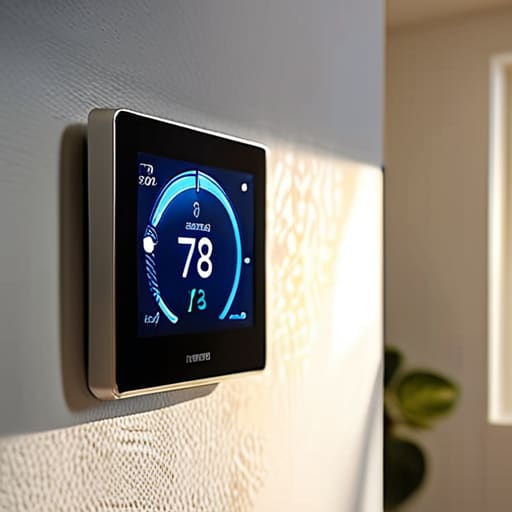
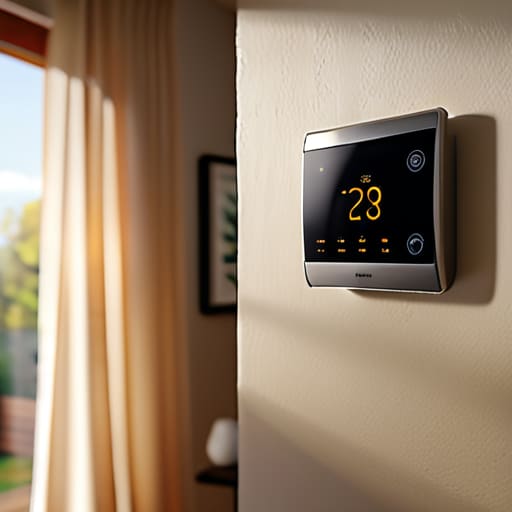
    Most people think saving money on power requires a massive overhaul, but I’ve learned that the biggest leaks in your budget often come from mindless daily habits. I remember sitting in my old apartment, shivering while the heater ran full blast because I couldn’t be bothered to adjust it. Now, I suggest starting with something as simple as a schedule. One of the biggest smart thermostat benefits is the ability to automate your climate control so you aren’t heating an empty house. It’s about being intentional; if you aren’t in the room, the energy shouldn’t be either.

    Beyond the tech, it’s about how you interact with your existing gear. I always tell my clients to keep an eye on their laundry and dishwasher habits. Running these machines only when they are actually full might seem like a minor chore, but it’s a massive step toward lowering utility costs over a single year. It’s not about living in the dark; it’s about stopping the invisible drain on your bank account by making sure every kilowatt you pay for is actually doing something useful.

    Why Home Insulation Upgrades Are Worth Every Penny

    Why Home Insulation Upgrades Are Worth Every Penny

    I’ve spent more hours than I’d like to admit pointing my infrared thermometer at drafty window frames and poorly insulated attic hatches. What I always find is the same story: you’re essentially paying to heat the outdoors. While people often jump straight to buying fancy energy efficient appliances, those high-tech gadgets can only do so much if your home’s thermal envelope is a sieve. Investing in home insulation upgrades is the most logical move you can make because it addresses the root cause of energy loss rather than just treating the symptoms.

    Think of it as the foundation of your entire setup. If you seal the leaks first, your heating and cooling systems don’t have to work overtime just to fight a losing battle against the weather. This isn’t just about lowering utility costs—though that’s a massive win for your bank account—it’s about creating a stable environment. When your home actually holds onto the temperature you set, you’re reducing your carbon footprint at home by sheer necessity. It’s the most practical way to stop the constant cycle of wasting power just to stay comfortable.

    5 Low-Cost Fixes to Stop Your Heat From Escaping

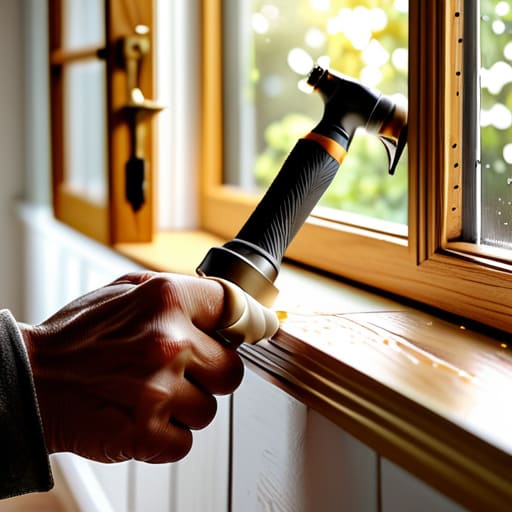
    • Seal the gaps around your windows and doors. I’ve used my infrared thermometer more times than I can count to find those tiny, invisible drafts that turn a cozy room into a wind tunnel; a simple roll of weatherstripping or some caulk can make a massive difference.
    • Switch to LED lighting across the board. It sounds basic, but if you’re still running old incandescent bulbs, you’re essentially paying for a tiny space heater that happens to give off light; LEDs use a fraction of the power and last way longer.
    • Manage your curtains like a pro. Open them wide during the day to let the sun naturally warm your living space, but close them tight as soon as the sun goes down to create an extra layer of thermal protection against the evening chill.
    • Stop letting your water heater work harder than it needs to. Lowering your thermostat by just a few degrees—or making sure it’s not set to a boiling temperature—can shave a decent chunk off your monthly bill without you even noticing the difference in your shower.
    • Unplug your “vampire” electronics. Even when they’re off, things like gaming consoles, coffee makers, and old chargers are constantly sipping power from your outlets; using a power strip to cut the connection entirely is an easy win for your wallet.

    The Bottom Line on Saving Energy

    Efficiency isn’t an “all or nothing” game; small, consistent habit shifts often yield better long-term savings than waiting for a massive renovation you can’t afford.

    Stop treating insulation as a luxury; it’s actually one of the most practical ways to trap your money inside your walls instead of letting it leak out into the atmosphere.

    Use data, not guesswork—tools like an infrared thermometer can show you exactly where your home is failing you, so you aren’t wasting money on fixes that don’t matter.

    The Real Cost of Inefficiency

    Most people think going green requires a massive solar array or a complete home renovation, but the truth is much simpler: every drafty window and unoptimized heater is just a leak in your bank account. Efficiency isn’t about luxury; it’s about making sure the money you work hard for actually stays in your pocket instead of escaping through the cracks in your walls.

    Tobias Nkemdirim

    The Bottom Line

    The Bottom Line: energy efficiency savings.

    At the end of the day, making your home more efficient isn’t about one massive, expensive renovation that breaks the bank. It’s about the cumulative effect of the things we’ve talked about—from the simple, daily habits that stop energy bleed to the long-term, high-impact decision to invest in better insulation. Whether you are sealing a drafty window or finally upgrading your thermostat, every small adjustment is a direct hit against unnecessary waste. I’ve seen it firsthand with my infrared thermometer: you can literally see the heat escaping, and it’s a wake-up call that every degree lost is money gone.

    I know it can feel overwhelming to think about climate change or rising utility rates, but don’t let that paralysis stop you from starting. You don’t need a massive budget to make a meaningful dent in your footprint. Start where you are, use the data you have, and focus on the low-hanging fruit first. Living sustainably shouldn’t be a luxury reserved for the wealthy; it should be a practical standard for everyone. If we all stop letting energy leak out of our homes through sheer convenience, we can collectively build a future that is both economically smart and environmentally sound.

    Frequently Asked Questions

    I've looked into insulation, but how do I know if my specific issue is a lack of insulation or just bad airflow from drafty windows?

    That’s a great question, and honestly, it’s the first thing I do when I walk into a room with my infrared thermometer. Here’s the trick: if you feel a sharp, localized chill near a window frame or door, that’s a draft (airflow). But if the entire wall feels cold to the touch even when the heater is on, that’s an insulation issue. One’s a leak; the other is a lack of thermal mass.

    Are there any specific smart home gadgets that actually save money, or is most of that tech just a gimmick?

    Honestly, a lot of it is hype, but some tech actually pays for itself. Skip the flashy smart fridges. Instead, focus on smart thermostats and smart plugs. A good thermostat learns your schedule so you aren’t heating an empty house, which is a massive win for your wallet. I also use smart plugs for my vintage gear to kill “vampire power” automatically. If it doesn’t directly stop energy from leaking or being wasted, it’s probably just a gimmick.

    If I'm renting, what are some low-cost, non-permanent energy tweaks I can make without losing my security deposit?

    Look, I get it. When you’re renting, you can’t exactly tear down walls or swap out windows. But you also shouldn’t have to freeze just because you don’t own the place. Grab some heavy thermal curtains to block drafts, use adhesive weatherstripping on leaky door frames, and throw down a thick rug over cold floors. These are cheap, totally reversible, and won’t touch your security deposit, but they make a massive difference in keeping the heat in.