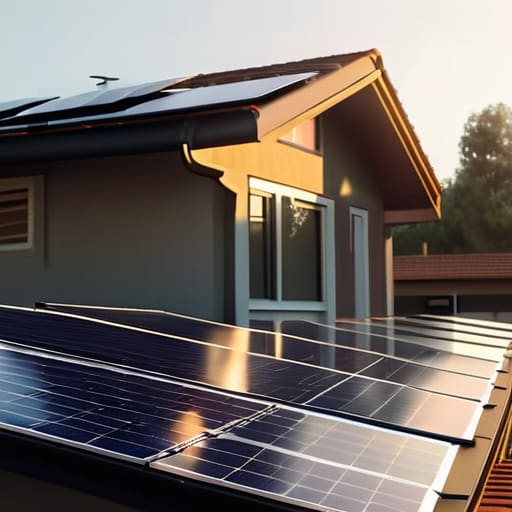
Author: Tobias Nkemdirim

  • How Solar Panels Work for Homes

    How Solar Panels Work for Homes

    I spent most of my early twenties shivering in a drafty rental, staring at a utility bill that felt more like a ransom note than a monthly expense. Whenever I brought up the idea of switching to solar panels, people would immediately pivot to these massive, expensive, “luxury” setups that seemed designed only for people with huge backyards and even bigger bank accounts. It’s a total myth that you need to be wealthy to harness the sun; honestly, most of the hype out there is just noise designed to sell you hardware you don’t actually need.

    I’m not here to sell you a dream or a high-interest loan for a system that won’t even pay for itself in a decade. Instead, I’m going to give you the actual, unvarnished truth about how to approach this transition without breaking your budget. We’re going to look at the real math, the small-scale options, and the smart moves that actually lower your footprint and your bills simultaneously. My goal is to help you stop throwing money at the grid and start making your home work for you.

    Table of Contents

    Maximizing Solar Energy Savings Without Breaking the Bank

    Maximizing Solar Energy Savings Without Breaking the Bank

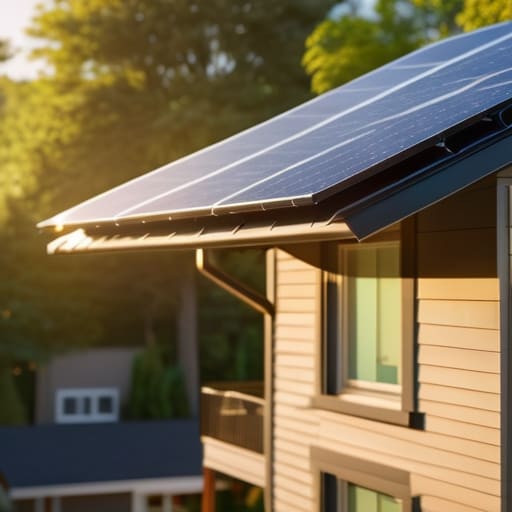
    Look, I get it. When you see the upfront cost of a full installation, it’s easy to walk away. But maximizing your solar energy savings isn’t always about buying the most expensive setup on the market; it’s about being strategic with what you actually need. If you’re looking at residential solar systems, don’t just buy based on the biggest number. Check the solar panel efficiency ratings for the specific models you’re eyeing. A slightly higher-efficiency panel might cost more initially, but if it generates more power in a smaller footprint, it pays for itself much faster through reduced monthly bills.

    Another thing I always tell my clients: pay attention to how you use your power. If your utility provider offers net metering benefits, you can actually get credit for the excess electricity you send back to the grid during the day. This turns your roof into a little revenue stream. If you can’t afford a massive array right away, start with a smaller, scalable system. It’s better to start small and smart than to go into massive debt for hardware you won’t fully utilize.

    Understanding Residential Solar Systems on a Real World Scale

    Understanding Residential Solar Systems on a Real World Scale

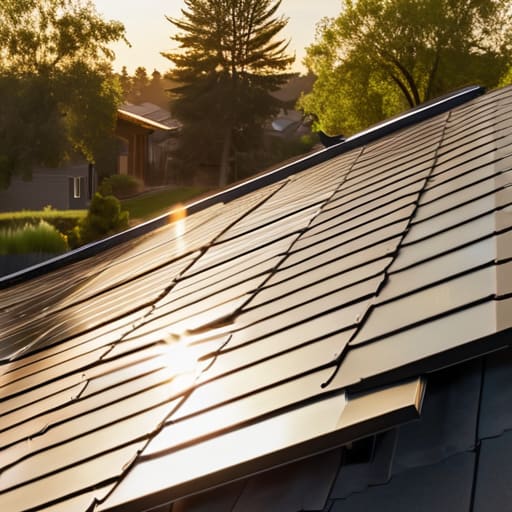
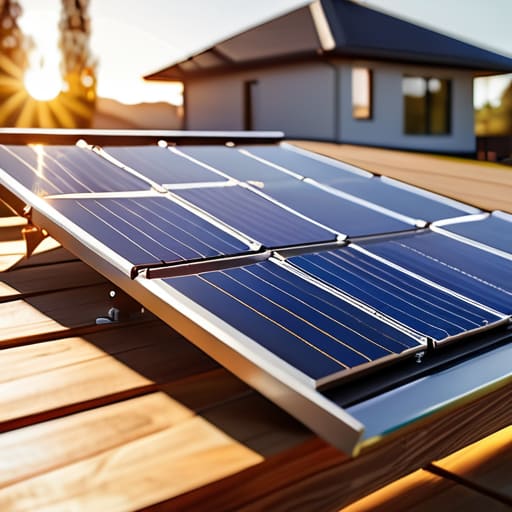
    When I talk to clients about residential solar systems, I usually see a lot of confusion about what’s actually happening on their roof. It isn’t just about slapping some glass plates on a shingles and hoping for the best. At its core, we’re looking at photovoltaic technology explained through the lens of your specific roof orientation and local weather patterns. It’s a math problem, really. You have to look at your consumption peaks versus when those cells are actually pumping out juice. If you don’t align the two, you’re just generating power that you’ll end up selling back for pennies.

    I also see a lot of people getting hung up on the hardware without looking at the bigger picture. It’s easy to get distracted by flashy marketing, but you need to focus on solar panel efficiency ratings and how they actually perform in real-world, cloudy conditions—not just in a perfect lab setting. I always tell people: don’t just buy the most expensive setup; buy the one that matches your actual energy footprint. Understanding that balance is the difference between a system that pays for itself in five years and one that just sits there looking pretty while you keep paying the utility company.

    5 Ways to Get More Bang for Your Buck from Your Solar Setup

    • Don’t just install and forget; keep your panels clean. A thick layer of dust or bird droppings can actually drop your efficiency significantly, and I’ve seen it happen too often during my audits.
    • Time your heavy lifting for the sunniest hours. If you’re running the dishwasher or the dryer, try to do it mid-day when your panels are peaking so you’re pulling directly from the sun rather than the grid.
    • Look into battery storage if your budget allows. It’s the best way to stop letting your excess energy go to waste at night and helps you avoid those expensive peak-hour utility rates.
    • Check your inverter regularly. It’s the unsung hero of the system that converts the power, and if it’s underperforming, your entire investment feels like it’s dragging.
    • Pair your solar move with an energy audit. There’s no point in generating massive amounts of clean power if your home is leaking heat through old windows and wasting it all immediately.

    The Bottom Line on Going Solar

    Don’t view solar as a luxury purchase; treat it as a long-term hedge against rising utility rates that eventually pays for itself.

    Efficiency first—there is no point in generating more power if your home is still leaking heat or wasting electricity through old appliances.

    Start small and scale up; you don’t need a massive, expensive array on day one to start seeing a real dent in your monthly bills.

    The Reality of Solar Investment

    Solar panels shouldn’t be treated like a luxury status symbol for the wealthy; they’re a practical tool for anyone tired of watching their hard-earned money vanish into an aging, inefficient power grid.

    Tobias Nkemdirim

    Making the Switch Count

    Making the Switch Count with solar energy.

    At the end of the day, transitioning to solar isn’t about buying into a luxury lifestyle; it’s about reclaiming control over your monthly overhead. We’ve looked at how you can scale these systems to fit a real-world budget and how to maximize every kilowatt without needing a massive upfront investment. Whether you’re looking at small-scale setups or more comprehensive residential arrays, the goal remains the same: stop letting your hard-earned money leak out through your roof in the form of wasted electricity. It comes down to smart auditing and strategic planning rather than just throwing money at the most expensive option available.

    I know that looking at solar can feel overwhelming, especially when you’re already juggling rising living costs. But I promise you, the shift toward energy independence is worth the initial learning curve. We don’t need perfect, massive solar farms to make a difference; we just need enough people to start making small, intentional changes to how they power their lives. Every panel installed and every watt saved is a step toward a home that is both sustainable and affordable. Let’s stop treating energy waste as an inevitability and start treating it like the financial drain it actually is.

    Frequently Asked Questions

    Is it actually worth the upfront cost if I'm renting or don't own my roof?

    If you don’t own the roof, traditional panels are a non-starter, but don’t let that stop you. I’ve seen too many renters just accept high bills because they feel stuck. Look into community solar programs—you basically subscribe to a local solar farm and get credits on your utility bill. It’s a way to reap the savings without a single drill bit touching your walls. It’s about being smart with the options available to you.

    How much do I really need to save on my monthly bills to make the investment pay for itself?

    Look, there isn’t one magic number, but here’s how I run the math: you’re looking for the “payback period.” If your solar setup costs $15,000 and it knocks $150 off your monthly utility bill, you’re looking at a ten-year break-even point. I always tell my clients to aim for a reduction that covers the monthly financing cost of the panels themselves. If the savings don’t outpace the loan, you aren’t investing; you’re just shifting bills.

    Can these systems actually handle my power usage during cloudy weeks or in the middle of winter?

    Look, I get the skepticism. I’ve stood in drafty apartments where the heating just couldn’t keep up, so I know the fear of being left in the dark. The short answer is: yes, but it depends on your setup. If you’re paired with a battery system or a grid-tie agreement, you’re covered. During those gloomy winter stretches, you’ll pull from the grid or stored power. It’s about managing your load, not just chasing perfect sunshine.

  • Methods for Draft Proofing Windows and Doors

    Methods for Draft Proofing Windows and Doors

    I still remember sitting in my old rental apartment, wrapped in three layers of fleece, watching my breath mist in the living room while the radiator hissed uselessly. I used to think that making a home efficient required a massive, expensive renovation or a complete overhaul of the windows, but that’s just not true. Most people get overwhelmed by high-end architectural solutions when all they really need are practical draft proofing tips that actually work. You shouldn’t have to choose between a warm home and a bank account that’s constantly bleeding money just because your building is older.

    I’m not here to sell you on expensive, fancy gadgets that look good on Instagram but do nothing for your actual thermal envelope. Instead, I’m going to share the exact, data-backed methods I use during my audits to find and seal those sneaky leaks. My goal is to give you a straightforward toolkit of low-cost, high-impact fixes that stop the heat from escaping through your doors, windows, and floorboards. We’re going to focus on smart, minimal changes that keep your bills down and your carbon footprint even lower.

    Table of Contents

    Sealing Air Leaks Without a Professional Price Tag

    Sealing Air Leaks Without a Professional Price Tag

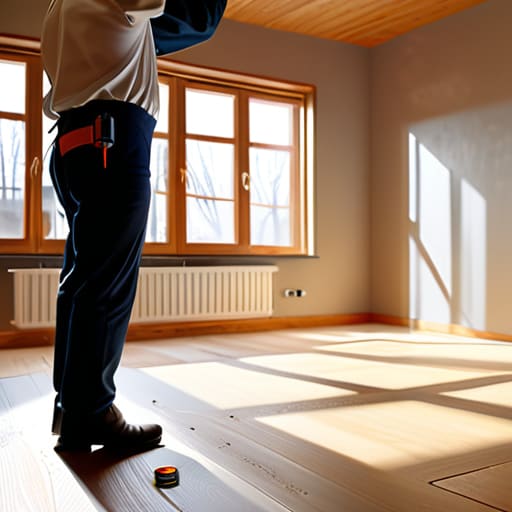
    You don’t need to hire a contractor and drop thousands of dollars to see a difference in your monthly statement. Most of the air leaking out of your house is coming from places you can actually fix yourself with a trip to the hardware store. I always start with the low-hanging fruit: windows and doors. Using adhesive foam weatherstripping or even just a simple “door snake” at the base of a drafty entryway is one of the most effective home weatherization techniques I’ve seen. It’s not flashy, but it works because it directly addresses the problem of preventing cold air infiltration before it even enters your living space.

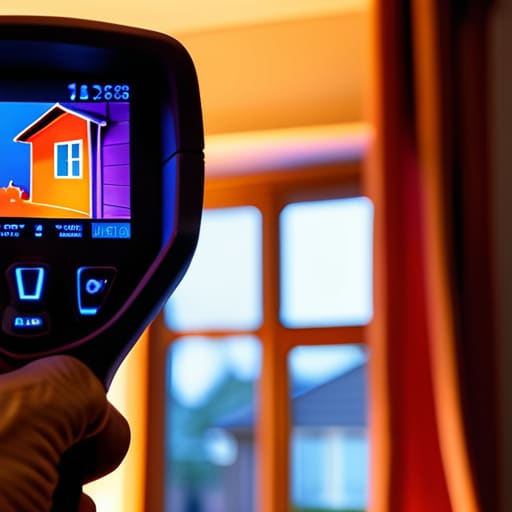
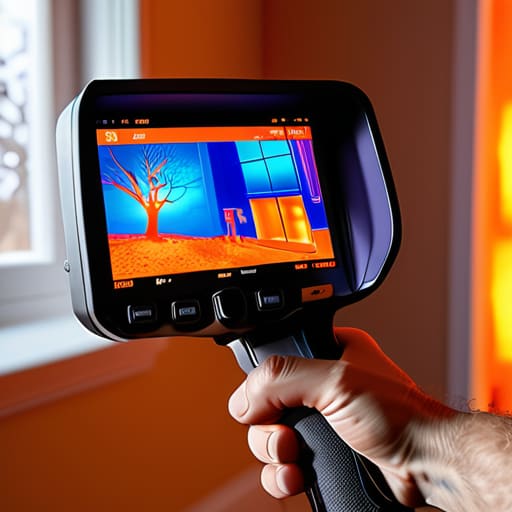
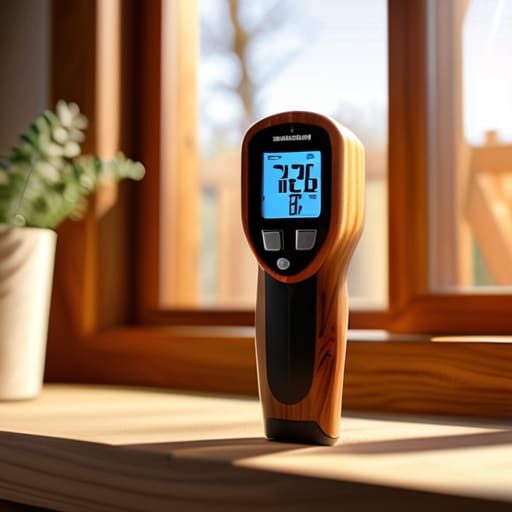
    If you want to get a bit more technical, grab some caulk and look at where your baseboards meet the floor or where utility pipes enter the walls. These tiny gaps are silent killers for your budget. By sealing air leaks around these structural junctions, you’re essentially tightening the envelope of your home. I’ve used my infrared thermometer on countless rentals and found that these small, DIY fixes can drastically improve your overall insulation effectiveness without requiring a single major renovation.

    Preventing Cold Air Infiltration at Your Windows

    Preventing Cold Air Infiltration at Your Windows

    Windows are usually the biggest culprit when it comes to heat loss. I’ve spent countless hours pointing my infrared thermometer at window frames, and the temperature drops are almost always dramatic. If you can feel a breeze while sitting near a pane, you’re essentially paying to heat the outdoors. One of my favorite low-cost home weatherization techniques is using removable weatherstripping or even simple V-seal strips. It’s a quick fix that makes a massive difference in preventing cold air infiltration without needing to replace the entire unit.

    For those with older, single-pane windows, window film is a total lifesaver. It’s basically a clear plastic shrink-wrap that you apply to the frame with a hairdryer. It creates an extra layer of dead air that acts as a buffer, significantly boosting your insulation effectiveness. It isn’t a permanent architectural fix, but for a renter or someone on a budget, it’s one of the most effective ways of reducing heating bills almost instantly. You don’t need a contractor; you just need a steady hand and a bit of patience.

    5 Low-Cost Wins to Stop the Drafts

    • Check your electrical outlets. I’ve used my infrared thermometer more times than I can count to find cold air blowing straight through the sockets on external walls. You can grab some cheap foam gaskets that sit behind the faceplate to stop that airflow dead.
    • Tackle the “hidden” gap under your doors. If you can see light under a door, you’re basically paying to heat the hallway. A simple weighted draft stopper—even a DIY one made from an old pair of tights filled with rice—works wonders for keeping the warmth in your living space.
    • Don’t ignore the floorboards. If you live in an older rental with gaps in the wood, you’re losing heat to the crawlspace below. Using a clear, non-toxic caulk or even just temporary gap fillers can make a massive difference in how steady your room temperature stays.
    • Seal your loft hatch. Most people remember the attic insulation but forget that the hatch itself is often just a thin piece of wood. Adding a bit of weatherstripping around the edges of the hatch prevents that heavy, cold air from sinking into your home.
    • Inspect your fireplace and chimney. If you have a fireplace you don’t use, it’s essentially a giant vacuum sucking heat out of your house. A chimney sheep or a dedicated fireplace balloon can seal that up without needing a permanent masonry fix.

    The Bottom Line on Draft Proofing

    You don’t need a massive renovation budget to see results; small, targeted fixes like weatherstripping or caulking often yield the biggest savings on your monthly bill.

    Focus on the “low-hanging fruit” first—check your windows, doors, and outlets—because that’s where most of your hard-earned money is literally leaking out of the house.

    Efficiency isn’t just about being “green”; it’s about practical comfort and making sure you aren’t paying to heat the neighborhood instead of your own living room.

    The Real Cost of a Draft

    “I’ve spent too many audits watching people pay to heat the neighborhood because they ignored a tiny gap under a door; draft proofing isn’t just about comfort, it’s about stopping your hard-earned money from literally blowing out of your windows.”

    Tobias Nkemdirim

    Making It Stick

    Making It Stick: sealing home drafts.

    At the end of the day, draft proofing isn’t about one massive, expensive overhaul; it’s about the cumulative effect of these small, targeted fixes. We’ve looked at everything from sealing those sneaky gaps around doors to making sure your windows aren’t acting like open vents for the winter chill. When I walk through a home with my infrared thermometer, I don’t see a failure of construction—I see missed opportunities to save money. By tackling the leaks in your doors, windows, and even your electrical outlets, you are effectively building a tighter, more resilient envelope around your living space. It’s about being intentional with your energy rather than just letting it bleed out through the cracks.

    I know that starting these projects can feel like just another chore on an endless to-do list, but I promise you the payoff is worth the effort. Every bit of heat you trap inside is money that stays in your pocket and carbon that stays out of the atmosphere. You don’t need a massive budget or a degree in engineering to make a difference; you just need to stop the waste. Living sustainably shouldn’t be a luxury reserved for the wealthy, and by taking these steps, you’re proving that efficiency is accessible to everyone. Grab some weatherstripping, get to work, and stop paying for heat you aren’t even using.

    Frequently Asked Questions

    How do I know if a draft is coming from a structural gap or just poor insulation?

    The easiest way to tell is by using my handheld infrared thermometer. If I point it at a wall and see a sharp, localized temperature drop—like a cold streak running down a corner—that’s a structural gap. If the whole surface feels uniformly chilly, your insulation is likely just thin or settled. Basically, a draft is moving air; poor insulation is just a lack of a thermal barrier. One needs sealant, the other needs more fluff.

    Are there any DIY sealing methods that might accidentally cause moisture or mold problems?

    That’s a sharp question, and honestly, it’s one I see people mess up all the time. The biggest risk is “over-sealing” without considering ventilation. If you airtight a room completely but don’t have a way for stale air to escape, you’ll trap moisture from cooking or showering inside. That’s a recipe for mold behind your furniture. Always make sure you aren’t blocking your existing vents or preventing natural airflow while you’re sealing leaks.

    Can I use these same cheap fixes for my bathroom and kitchen, or are those areas different?

    Short answer: Yes, but with a caveat. The basic principles of sealing drafts apply everywhere, but bathrooms and kitchens are high-moisture zones. If you use standard adhesive weatherstripping or cheap foam, the humidity from showers or boiling pasta will eventually cause them to peel or grow mold. For these rooms, I always recommend using silicone-based sealants or moisture-resistant gaskets. It’s a slightly higher upfront cost, but it keeps the fix from failing in a month.

  • Advantages of Installing Solar Panels

    Advantages of Installing Solar Panels

    I still remember sitting in my old rental apartment, shivering under three blankets while staring at a utility bill that felt like a personal attack. Most people talk about solar panel benefits like they’re some exclusive club for the wealthy or a complex science experiment you need a PhD to understand. They make it sound like you need a massive upfront investment and a dedicated engineering team just to see a difference. Honestly? That’s a load of nonsense. The truth is, solar shouldn’t be a luxury; it’s just a practical tool to stop your hard-earned money from leaking out of your roof.

    I’m not here to sell you on some glossy, high-tech dream that won’t actually pay off. Instead, I’m going to give you the straight talk based on what I see during my energy audits and my own data-driven research. I’ll break down the real, tangible solar panel benefits that actually impact your monthly budget and your carbon footprint. No hype, no fluff—just a clear look at how you can make the switch without breaking the bank.

    Table of Contents

    Maximizing Your Residential Solar Roi Without Breaking the Bank

    Maximizing Your Residential Solar Roi Without Breaking the Bank

    Getting the most out of your investment isn’t about buying the most expensive setup on the market; it’s about being smart with how you use what you have. To truly maximize your residential solar ROI, you need to look at the timing of your heavy energy users. If you’re running your dishwasher or laundry at midnight, you’re missing the window when your panels are actually doing the heavy lifting. I always tell my clients to shift their high-draw tasks to the middle of the day. This simple habit ensures you’re consuming your own clean energy directly rather than relying on the grid.

    You also shouldn’t leave money on the table when it comes to government incentives. I’ve seen too many people overlook solar energy tax credits because the paperwork seemed daunting, but those credits are often the difference between a system paying for itself in five years versus ten. Combine those savings with net metering benefits—where your utility company buys back your excess power—and you’re essentially turning your roof into a tiny, productive power plant. It’s about making the math work for you, not against you.

    How Solar Energy Tax Credits Make Sustainability Affordable

    How Solar Energy Tax Credits Make Sustainability Affordable

    One thing I’ve noticed during my audits is that people often get paralyzed by the upfront cost of going solar. They see the sticker price and assume it’s a luxury reserved for the wealthy. But that’s where the government actually steps in to help. By leveraging solar energy tax credits, you can effectively slash a massive chunk off your initial investment. It’s not just about a smaller bill; it’s about the government essentially subsidizing your transition to a cleaner lifestyle.

    I always tell my clients to look at these credits as a way to accelerate their residential solar ROI. Instead of waiting a decade to see a return, these incentives can shave years off that timeline. When you combine these tax breaks with other incentives like net metering, the math starts looking a lot more practical and a lot less like a “someday” dream. It turns what feels like a huge financial hurdle into a manageable, smart move for your wallet and for reducing your carbon footprint. You aren’t just buying hardware; you’re investing in a system that pays you back.

    5 Ways to Make Solar Work for Your Wallet and the Planet

    • Lock in your energy costs. Utility rates are volatile and usually trend upward every year; by generating your own power, you’re essentially creating a fixed-rate contract with the sun that protects you from future price hikes.
    • Boost your property value. I’ve seen it during audits—homes with modern, efficient energy systems are much more attractive to buyers who are tired of seeing massive utility bills in the disclosure statements.
    • Use net metering to your advantage. If your setup produces more than you use during a sunny afternoon, most grids let you feed that excess back, essentially turning your meter backward and earning credits for nighttime use.
    • Reduce your reliance on a fragile grid. While not everyone can afford a full battery backup yet, even a basic solar setup reduces the total strain on the local infrastructure, making the whole system more resilient.
    • Shrink your carbon footprint without the lifestyle sacrifice. You don’t have to stop using your appliances or live in the dark; you just change where the electrons come from, moving from fossil fuels to something much cleaner.

    The Bottom Line on Going Solar

    The Bottom Line on Going Solar.

    Solar isn’t just an environmental flex; it’s a strategic move to lock in your energy costs and stop letting utility companies bleed your monthly budget dry.

    Don’t let the upfront price tag scare you off—between tax credits and the long-term ROI, the math actually works in your favor if you plan it right.

    Sustainability shouldn’t be a luxury, so focus on smart, scalable setups that prioritize energy independence without requiring a massive initial investment.

    ## The Real Math Behind Solar

    “Solar isn’t just about being ‘eco-friendly’—it’s about taking control of your monthly overhead. When I run the numbers for my clients, I’m not looking at a trend; I’m looking at how we stop bleeding money to utility companies and start investing that cash back into our own lives.”

    Tobias Nkemdirim

    The Bottom Line on Going Solar

    At the end of the day, switching to solar isn’t just about some abstract environmental goal; it’s a practical move for your wallet. We’ve looked at how you can maximize your ROI through smart installation and how much of the heavy lifting is actually done by tax credits and incentives. It’s about moving away from the cycle of unpredictable, rising utility bills and toward a system where you actually control your own energy costs. If you focus on the data and leverage the available subsidies, you aren’t just buying hardware; you are investing in long-term financial stability and stopping the constant leak of cash to big energy providers.

    I know that making big changes to your home can feel overwhelming, especially when you’re trying to balance a budget. But I promise you, sustainability shouldn’t be a luxury reserved for the wealthy. Every kilowatt you generate on your own roof is a step toward a more resilient lifestyle and a smaller carbon footprint. Don’t let the initial complexity stop you from making a move that will pay dividends for decades. Start small, do your research, and remember that every smart change counts toward a future where living green is actually affordable for everyone.

    Frequently Asked Questions

    How long does it actually take for the energy savings to pay off the initial cost of the installation?

    The honest answer? It depends on your local utility rates and how much sun your roof actually gets, but most of my clients see a “break-even” point within 6 to 10 years. I always tell people to look at it as a long-term play. You’re essentially pre-paying for a decade of power at a massive discount. Once that initial investment is recouped, that monthly energy savings becomes pure profit in your pocket.

    If I'm renting or live in an apartment, are there any ways to benefit from solar without owning a roof?

    I get this question a lot, especially from people in rentals like I used to be. You don’t need a roof to go solar. Look into community solar programs—they let you subscribe to a local solar farm and get credits on your utility bill. You can also check if your landlord is open to balcony-mounted setups or even just optimizing your window treatments to reduce the heat load. It’s about finding workarounds, not waiting for homeownership.

    What happens to my solar setup if I decide to move to a different house in a few years?

    Look, I get it. Life moves, and you might not be in that same rental or starter home forever. You have two real options here. You can treat the system like a permanent home upgrade—it adds tangible value to the property, making it a selling point for the next buyer. Or, if you’ve gone with a portable or modular setup, you can actually decommission it and take it with you. Just check your contract first.

  • How to Stop Vampire Power Consumption

    How to Stop Vampire Power Consumption

    I was sitting in my old rental apartment last February, shivering under three blankets while staring at a utility bill that made absolutely no sense. I had the heat cranked, yet the math just didn’t add up. That’s when I pulled out my infrared thermometer and realized it wasn’t just the drafty windows; it was the silent, constant drain from every single plugged-in gadget in the room. We’ve been told that saving energy requires massive solar arrays or expensive smart-home ecosystems, but that’s a lie designed to sell hardware. The truth is much simpler and much more annoying: you are losing money to vampire power every single night while you sleep.

    I’m not here to sell you a high-tech gadget or some complicated lifestyle overhaul that costs more than it saves. My goal is to give you the straightforward, data-driven reality of how much these idle electronics are actually bleeding your bank account dry. I’m going to show you exactly which culprits to hunt down and the low-cost, practical ways to kill that phantom drain for good. Let’s stop letting your electricity go to waste just because it’s convenient.

    Table of Contents

    Identifying the Hidden Energy Consumers in Your Living Room

    Identifying the Hidden Energy Consumers in Your Living Room.

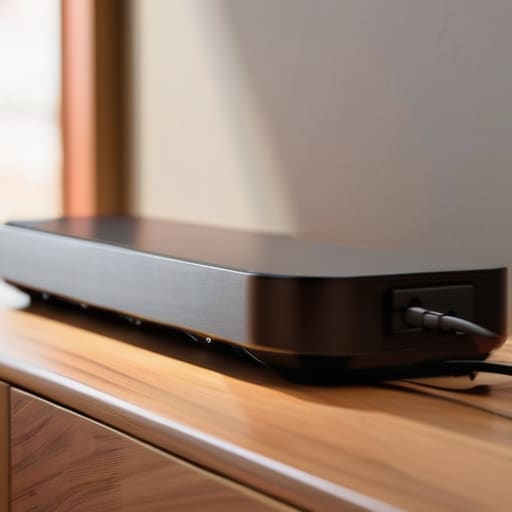
    I usually start my audits by scanning the living room, because that’s where the most hidden energy consumers tend to hide in plain sight. Take your entertainment center, for example. Even when the TV is off, that little glowing red LED or the digital clock on your soundbar tells me everything I need to know: they are still pulling juice. It’s not just the big screens, either; it’s the gaming consoles sitting in “rest mode” and the streaming sticks plugged into the back. They might seem harmless, but that constant standby power consumption adds up to a significant chunk of your monthly bill.

    To really get a handle on this, I recommend doing a quick sweep of your media console. If a device has a remote control or a standby light, it’s likely bleeding energy. While it’s a hassle to pull every plug manually, investing in some quality gear can change the game. I’m a huge advocate for smart power strip benefits here; they allow you to cut the flow to multiple devices with a single switch. It’s a practical way to stop the leak without turning your living room into a maze of wires.

    Why Standby Power Consumption Is Bleeding Your Wallet Dry

    Why Standby Power Consumption Is Bleeding Your Wallet Dry

    Think about it this way: you’re essentially paying a “laziness tax” every single month. When you leave your coffee maker plugged in or keep your gaming console in standby mode, you aren’t just keeping them ready for use; you’re keeping a tiny, invisible circuit running 24/7. This standby power consumption might seem negligible in the moment—just a few cents here and there—but when you multiply that across every gadget in your house over a full year, it turns into a significant chunk of change that could have stayed in your savings.

    I’ve seen this play out during my audits more times than I can count. People are often shocked to realize that their “off” devices are actually contributing to a constant, steady drain on their meter. It’s a slow leak, like a dripping faucet that eventually floods the kitchen. By focusing on reducing household electricity costs through simple habits—like actually pulling the plug or utilizing smart power strip benefits—you stop that leak. It’s not about making massive lifestyle sacrifices; it’s about realizing that convenience shouldn’t come at the expense of your budget.

    5 Low-Effort Ways to Cut the Cord on Phantom Loads

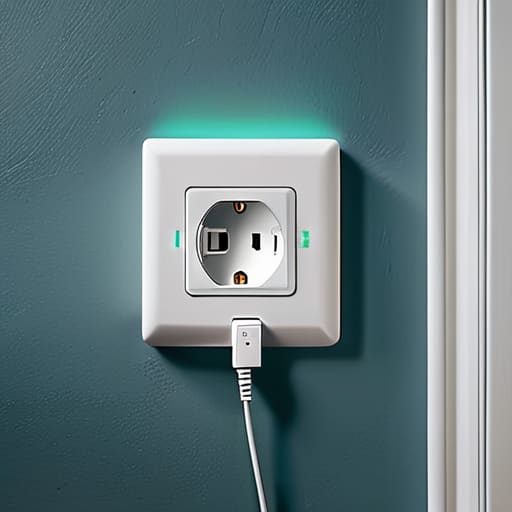
    • Grab some smart power strips for your entertainment setup. Instead of hunting for five different plugs behind your TV stand, one strip can kill the power to your consoles, soundbars, and streaming sticks all at once when you’re done for the night.
    • Get into the habit of unplugging your chargers. I see it all the time during audits—phone bricks left in the wall doing absolutely nothing but sipping electricity. If it’s not connected to a device, it shouldn’t be drawing current.
    • Switch to manual power buttons where you can. Some of the newer, “smart” appliances are designed to stay in a constant state of readiness, which is great for convenience but terrible for your meter. If it has a physical kill switch, use it.
    • Use timers for your seasonal gear. If you have things like holiday lights or even certain desk lamps that stay plugged in, a cheap mechanical timer ensures they aren’t drawing power while you’re asleep or at work.
    • Audit your kitchen appliances with a simple plug-in energy monitor. If you want to stop guessing and start knowing, these little devices show you exactly how much a coffee maker or microwave is pulling while in standby mode, so you can decide if it’s worth the cost of unplugging it.

    The Bottom Line: Stop the Leak

    Treat standby mode as a silent drain; if it has a little red light or a digital clock, it’s pulling power even when you aren’t using it.
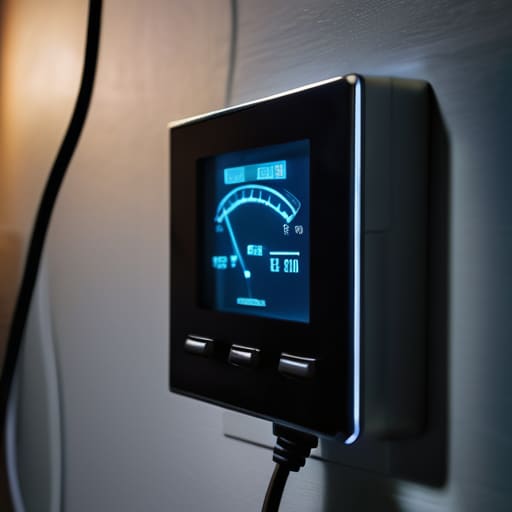
    Invest in a few smart power strips to kill the connection to your entire entertainment center or home office with one single switch.

    Audit your setup regularly—it’s not just about the big appliances, but the cumulative cost of those tiny, idle gadgets that add up to real money every month.

    ## The Invisible Leak

    “Most people think their energy bill is driven by the big stuff—the fridge or the AC—but I’ve seen enough homes to know that it’s often the silent, idle gadgets bleeding your budget dry while you sleep.”

    Tobias Nkemdirim

    Cutting the Cord for Good

    Cutting the Cord for Good to save.

    At the end of the day, tackling vampire power isn’t about some massive, expensive home renovation or installing high-tech solar arrays. It’s about the small, intentional shifts we make in our daily habits—like actually unplugging that gaming console when you’re done or using smart power strips to kill the flow to your media center. We’ve seen how those idle chargers and standby lights act like a slow, invisible leak in your bank account. By identifying these hidden consumers and making the switch to more mindful habits, you aren’t just saving a few extra dollars on your monthly utility bill; you are actively stopping the waste that happens simply because we’ve grown too comfortable with convenience.

    I know it can feel like a chore to walk around the house checking plugs, but I promise you, the math adds up. Every watt you reclaim is a win for your budget and a win for the planet. We don’t need to be perfect, and we certainly don’t need to be wealthy to live more sustainably. We just need to be observant. If we all stop letting our electronics bleed us dry, we can collectively make a massive dent in unnecessary energy demand. So, grab a power strip, start with one room, and take control of your consumption starting today.

    Frequently Asked Questions

    Are there specific types of appliances that are worse "vampires" than others?

    Not all vampires are created equal. If you’re looking for the biggest culprits, start with anything that has a digital clock or a remote sensor. Your microwave, coffee maker, and that big-screen TV are notorious for sipping power 24/7. I’ve also noticed gaming consoles and desktop computers pull a surprising amount of juice even when they’re “off.” They might seem idle, but they’re actually just waiting in a high-energy standby mode.

    Is it actually worth the effort to unplug everything, or should I just invest in smart power strips?

    Look, if you’re a perfectionist, unplugging everything works, but let’s be real: most people won’t actually do it. For a busy household, smart power strips are the better play. They automate the process by cutting power to peripherals when your main device is off. It’s a small upfront cost that pays for itself in saved kWh. Use the manual unplugging method for things you rarely use, but automate the rest. Efficiency shouldn’t be a chore.
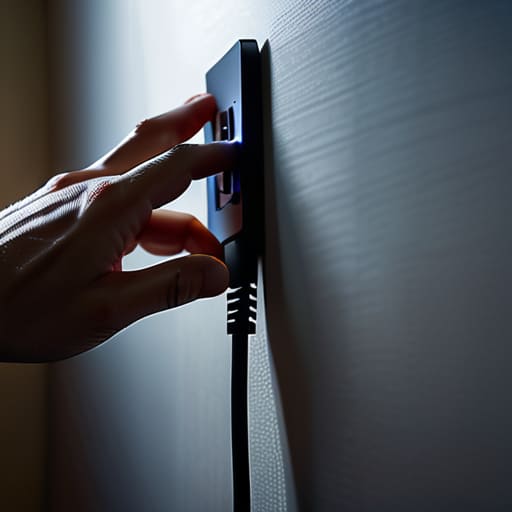
    Will turning my devices off at the wall actually shorten their lifespan or damage the electronics?

    I get this question a lot during my audits. The short answer? No, you aren’t going to fry your tech. Modern electronics are designed to handle power cycles. In fact, cutting the power at the wall can actually protect your gear from unexpected voltage surges during storms. If you’re worried about a specific high-end component, just use a smart power strip. For everything else, stop worrying about the “damage” and start saving that extra cash.

  • Ways to Improve Home Energy Efficiency

    Ways to Improve Home Energy Efficiency

    I still remember the biting chill of my first rental apartment—a place where the heater ran constantly, yet I still spent my evenings huddled under three blankets just to stay warm. I’d sit there, watching my bank account drain alongside the heat escaping through cracks I couldn’t even see, feeling like I was literally paying to heat the outdoors. Most people think achieving home energy efficiency requires a massive renovation or a sudden windfall of cash to install solar arrays and smart glass, but that’s a lie sold by people who don’t care about your monthly budget.

    I’m not here to sell you on expensive, high-tech gadgets that take years to pay for themselves. Instead, I’m going to show you how to use a bit of data and some practical, low-cost tactics to stop the leaks in your wallet and your living space. We’re going to focus on the small, smart adjustments that actually move the needle, ensuring you can live sustainably without breaking the bank.

    Table of Contents

    Lowering Utility Costs Through Simple Smart Habits

    Lowering Utility Costs Through Simple Smart Habits

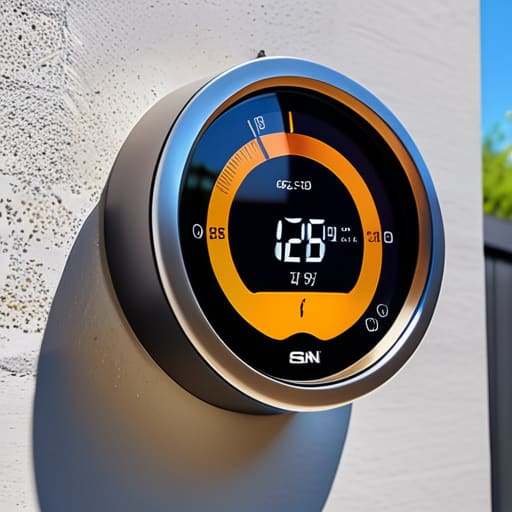
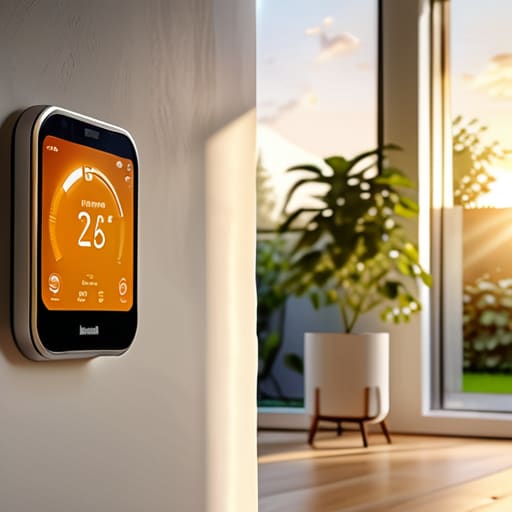
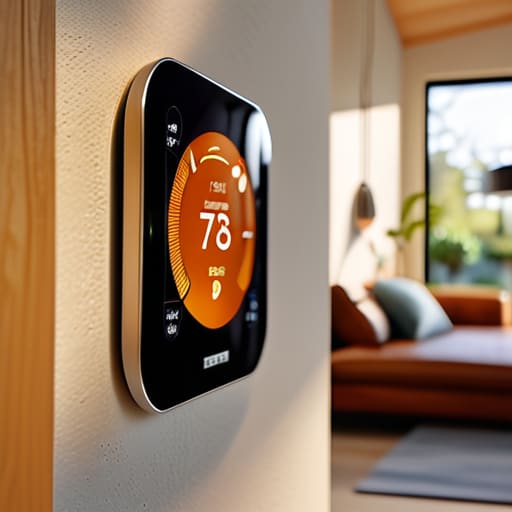
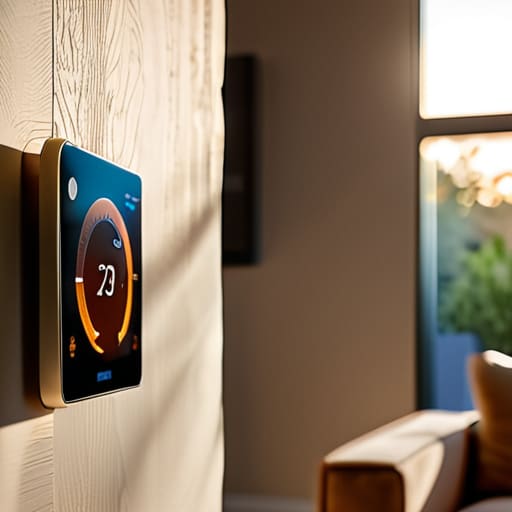
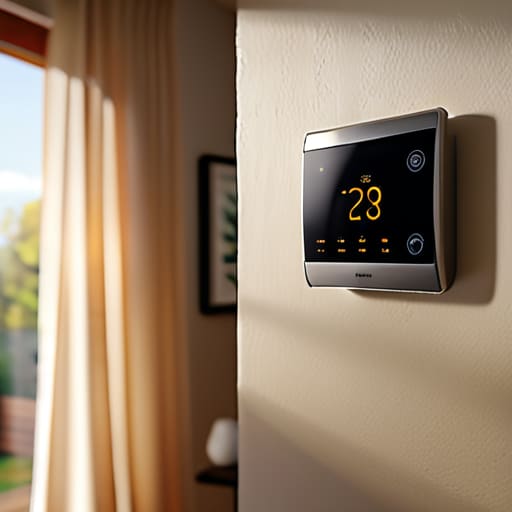
    Most people think saving money on power requires a massive overhaul, but I’ve learned that the biggest leaks in your budget often come from mindless daily habits. I remember sitting in my old apartment, shivering while the heater ran full blast because I couldn’t be bothered to adjust it. Now, I suggest starting with something as simple as a schedule. One of the biggest smart thermostat benefits is the ability to automate your climate control so you aren’t heating an empty house. It’s about being intentional; if you aren’t in the room, the energy shouldn’t be either.

    Beyond the tech, it’s about how you interact with your existing gear. I always tell my clients to keep an eye on their laundry and dishwasher habits. Running these machines only when they are actually full might seem like a minor chore, but it’s a massive step toward lowering utility costs over a single year. It’s not about living in the dark; it’s about stopping the invisible drain on your bank account by making sure every kilowatt you pay for is actually doing something useful.

    Why Home Insulation Upgrades Are Worth Every Penny

    Why Home Insulation Upgrades Are Worth Every Penny

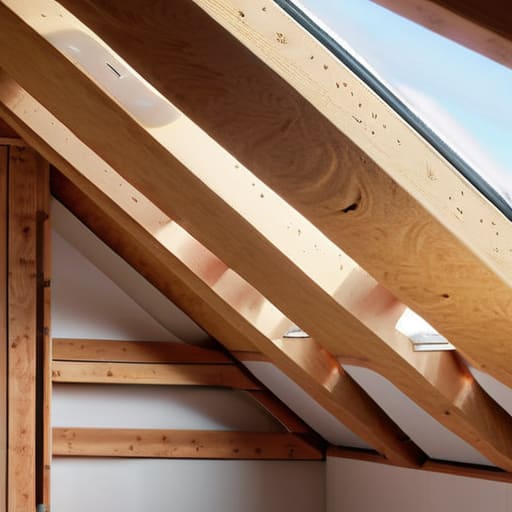
    I’ve spent more hours than I’d like to admit pointing my infrared thermometer at drafty window frames and poorly insulated attic hatches. What I always find is the same story: you’re essentially paying to heat the outdoors. While people often jump straight to buying fancy energy efficient appliances, those high-tech gadgets can only do so much if your home’s thermal envelope is a sieve. Investing in home insulation upgrades is the most logical move you can make because it addresses the root cause of energy loss rather than just treating the symptoms.

    Think of it as the foundation of your entire setup. If you seal the leaks first, your heating and cooling systems don’t have to work overtime just to fight a losing battle against the weather. This isn’t just about lowering utility costs—though that’s a massive win for your bank account—it’s about creating a stable environment. When your home actually holds onto the temperature you set, you’re reducing your carbon footprint at home by sheer necessity. It’s the most practical way to stop the constant cycle of wasting power just to stay comfortable.

    5 Low-Cost Fixes to Stop Your Heat From Escaping

    • Seal the gaps around your windows and doors. I’ve used my infrared thermometer more times than I can count to find those tiny, invisible drafts that turn a cozy room into a wind tunnel; a simple roll of weatherstripping or some caulk can make a massive difference.
    • Switch to LED lighting across the board. It sounds basic, but if you’re still running old incandescent bulbs, you’re essentially paying for a tiny space heater that happens to give off light; LEDs use a fraction of the power and last way longer.
    • Manage your curtains like a pro. Open them wide during the day to let the sun naturally warm your living space, but close them tight as soon as the sun goes down to create an extra layer of thermal protection against the evening chill.
    • Stop letting your water heater work harder than it needs to. Lowering your thermostat by just a few degrees—or making sure it’s not set to a boiling temperature—can shave a decent chunk off your monthly bill without you even noticing the difference in your shower.
    • Unplug your “vampire” electronics. Even when they’re off, things like gaming consoles, coffee makers, and old chargers are constantly sipping power from your outlets; using a power strip to cut the connection entirely is an easy win for your wallet.

    The Bottom Line on Saving Energy

    Efficiency isn’t an “all or nothing” game; small, consistent habit shifts often yield better long-term savings than waiting for a massive renovation you can’t afford.

    Stop treating insulation as a luxury; it’s actually one of the most practical ways to trap your money inside your walls instead of letting it leak out into the atmosphere.

    Use data, not guesswork—tools like an infrared thermometer can show you exactly where your home is failing you, so you aren’t wasting money on fixes that don’t matter.

    The Real Cost of Inefficiency

    Most people think going green requires a massive solar array or a complete home renovation, but the truth is much simpler: every drafty window and unoptimized heater is just a leak in your bank account. Efficiency isn’t about luxury; it’s about making sure the money you work hard for actually stays in your pocket instead of escaping through the cracks in your walls.

    Tobias Nkemdirim

    The Bottom Line

    The Bottom Line: energy efficiency savings.

    At the end of the day, making your home more efficient isn’t about one massive, expensive renovation that breaks the bank. It’s about the cumulative effect of the things we’ve talked about—from the simple, daily habits that stop energy bleed to the long-term, high-impact decision to invest in better insulation. Whether you are sealing a drafty window or finally upgrading your thermostat, every small adjustment is a direct hit against unnecessary waste. I’ve seen it firsthand with my infrared thermometer: you can literally see the heat escaping, and it’s a wake-up call that every degree lost is money gone.

    I know it can feel overwhelming to think about climate change or rising utility rates, but don’t let that paralysis stop you from starting. You don’t need a massive budget to make a meaningful dent in your footprint. Start where you are, use the data you have, and focus on the low-hanging fruit first. Living sustainably shouldn’t be a luxury reserved for the wealthy; it should be a practical standard for everyone. If we all stop letting energy leak out of our homes through sheer convenience, we can collectively build a future that is both economically smart and environmentally sound.

    Frequently Asked Questions

    I've looked into insulation, but how do I know if my specific issue is a lack of insulation or just bad airflow from drafty windows?

    That’s a great question, and honestly, it’s the first thing I do when I walk into a room with my infrared thermometer. Here’s the trick: if you feel a sharp, localized chill near a window frame or door, that’s a draft (airflow). But if the entire wall feels cold to the touch even when the heater is on, that’s an insulation issue. One’s a leak; the other is a lack of thermal mass.

    Are there any specific smart home gadgets that actually save money, or is most of that tech just a gimmick?

    Honestly, a lot of it is hype, but some tech actually pays for itself. Skip the flashy smart fridges. Instead, focus on smart thermostats and smart plugs. A good thermostat learns your schedule so you aren’t heating an empty house, which is a massive win for your wallet. I also use smart plugs for my vintage gear to kill “vampire power” automatically. If it doesn’t directly stop energy from leaking or being wasted, it’s probably just a gimmick.

    If I'm renting, what are some low-cost, non-permanent energy tweaks I can make without losing my security deposit?

    Look, I get it. When you’re renting, you can’t exactly tear down walls or swap out windows. But you also shouldn’t have to freeze just because you don’t own the place. Grab some heavy thermal curtains to block drafts, use adhesive weatherstripping on leaky door frames, and throw down a thick rug over cold floors. These are cheap, totally reversible, and won’t touch your security deposit, but they make a massive difference in keeping the heat in.